

The 2026 Virginia General Assembly made many changes to the Virginia Residential Landlord and Tenant Act. Some already apply. The rest arrives in two waves: a group of changes on January 1, 2027 and a larger group on July 1, 2027.
Under Article IV, Section 13 of the Constitution of Virginia, laws take effect July 1 after the session unless a bill sets another date, and several 2026 bills did. This guide sorts each change by start date and ends with a checklist. For other state rules, browse our compliance and legal guides, and for other states' 2027 changes, see our roundup of new landlord laws taking effect in 2027.
Note: This article is general education, not legal advice. It reflects the Code of Virginia as published on law.lis.virginia.gov as of November 2026, and some cities and federal programs add their own rules, so consult a Virginia attorney before you change a lease, notice or policy.
Virginia landlord-tenant changes at a glance
Four changes took effect July 1, 2026, four start January 1, 2027 and five start July 1, 2027. Several apply only to landlords with more than four units in Virginia (or more than a 10 percent interest in more than four).
| Bill (2026 Acts chapter) | What it does | Effective |
|---|---|---|
| HB 15 (c. 353) and SB 48 (c. 354) | 14-day pay-or-quit period for nonpayment, up from five days | July 1, 2026 |
| HB 1005 (c. 722) and SB 313 (c. 723) | Accept checks and money orders, limits on payment fees, no repair fees unless tenant-caused | July 1, 2026 |
| HB 519 (c. 624) | Landlord-supplied central air conditioning becomes an essential service | July 1, 2026 |
| HB 14 (c. 542) and SB 290 (c. 543) | Localities can sue to enforce fit and habitable conditions | July 1, 2026 |
| HB 329 (c. 1111) | Broader retaliation protections | January 1, 2027 |
| HB 834 (c. 1117) | New steps before ending a lease after fire or casualty | January 1, 2027 |
| HB 848 (c. 1118) | Rent escrow rule changes | January 1, 2027 |
| SB 250 (c. 998) and HB 395 (c. 1052) | Tenants may install small portable solar devices (more than four units) | January 1, 2027 |
| HB 95 (c. 1105) | Payment plan offer before terminating for small nonpayment (more than four units) | July 1, 2027 |
| HB 678 (c. 1066) | 90-day rent increase notice with a renewal deadline (more than four units) | July 1, 2027 |
| HB 379 (c. 1050) | Disclosures before collecting an application fee or applicant information | July 1, 2027 |
| HB 1361 (c. 783) and SB 294 (c. 784) | Statement of charges and payments in nonpayment notices; utility billing records | July 1, 2027 |
| HB 616 (c. 640) | Statement of charges and payments within 10 business days of a written request (most landlords with four or more units) | July 1, 2027 |
Already in effect: the July 1, 2026 changes
These changes are already law. Start here if your notices have not changed since last summer.
14-day pay-or-quit notice
Under Va. Code § 55.1-1245(F), as amended by HB 15 and SB 48, a landlord may terminate for nonpayment only if the tenant fails to pay within 14 days after written notice is served, up from five days. The same 14-day period applies to the notice after a bad check or failed electronic payment. Update any notice template that still says five days. Our guide to the pay or quit notice covers the basics of drafting and serving one.
Payment methods and fees
Under § 55.1-1204(J), as amended by HB 1005 and SB 313:
- You must accept rent and any security deposit by check and money order.
- You must give a written receipt when a tenant pays rent in cash or by money order.
- You cannot charge a fee to collect or process rent unless you also offer a payment method with no added fees. If you pass on a card, debit or electronic payment fee, it cannot exceed the actual out-of-pocket cost charged by the third-party processor.
- Landlords who own four or fewer units, or up to a 10 percent interest in four or fewer, do not have to accept debit or credit cards.
Separately, § 55.1-1208(C) now says that unless the tenant's violation of the Act made it necessary, a landlord cannot require a tenant to pay any fee for maintenance or repair of the unit. Remove flat maintenance or repair fees from your lease and fee schedule. Our comparison of ACH, cards, checks and cash apps can help you decide which methods to offer.
Air conditioning and local enforcement
Under § 55.1-1200, essential services now include landlord-supplied central air conditioning that was operating, or represented as operating, when the lease began. Under § 55.1-1259(B), a locality can sue on a tenant's behalf over serious health or safety conditions, such as loss of heat or water, that the landlord did not fix within a reasonable time after the locality's notice.
January 1, 2027: retaliation, fire damage, rent escrow and solar
Four changes start on January 1, 2027.
Retaliation (HB 329)
The January 1, 2027 version of § 55.1-1258 widens what counts as protected tenant activity and retaliatory conduct. Protected activity adds written complaints about the lease, the Act or fair housing laws, complaints to the news media, tenants' organization activity and testimony in administrative proceedings. Prohibited conduct adds threats or harassment, selective rule enforcement, changing lease terms without consent, raising fees, and refusing to renew because the tenant receives tenant-based rental assistance such as a Housing Choice Voucher.
The new version adds exceptions, such as an increase under the lease terms or a rule applied equally to all tenants, and drops the sentence putting the burden of proving retaliatory intent on the tenant. Our guide to landlord retaliation laws explains how to document legitimate reasons for any adverse action.
Fire or casualty damage (HB 834)
Under the January 1, 2027 version of § 55.1-1240, before giving notice to terminate after fire or casualty damage, you must meet or make a reasonable effort to meet with the tenant about the damage and alternatives, and check whether a substantially similar unit in the same complex is available within a reasonable time. If one is, you must offer it on the current lease terms. These steps do not apply if you determined the tenant's own violation caused the damage. The landlord's notice period becomes 21 days, and the tenant may ask in writing, within seven days, for a reevaluation of the damage.
Rent escrow (HB 848)
The January 1, 2027 version of § 55.1-1244 lets a tenant bring a rent escrow case without first paying past-due rent. The tenant pays current rent into court escrow during the case, and a late escrow payment is no longer automatic grounds for dismissal.
Portable solar devices (SB 250 and HB 395)
New § 55.1-1212.1, effective January 1, 2027, bars landlords who own more than four units from prohibiting a tenant from installing a small portable solar generation device on the exterior of the tenant's premises. Devices are capped at 1,200 watts per unit and must meet safety and certification standards. The tenant gives at least seven days' notice, you may set reasonable size, place and manner limits, the tenant is responsible for damage, and units on ratio utility billing are excluded.
July 1, 2027: payment plans and itemized nonpayment notices
From July 1, 2027, a nonpayment notice must include a written statement of charges and payments, and larger landlords must offer a payment plan before terminating for a small balance.
Statement with every nonpayment notice (HB 1361 and SB 294)
Under the July 1, 2027 version of § 55.1-1202(E), a termination notice for nonpayment is not effective unless it contains a written statement of charges and payments over the tenancy or the past 12 months, whichever is shorter, along with any late charges, attorney fees, costs and other contracted charges that are due. If the lease uses submetering, energy allocation or ratio utility billing, the statement must also show the tenant's utility debits and credits.
Payment plan offer (HB 95)
The Acts of Assembly text for HB 95 (Chapter 1105) states that it becomes effective July 1, 2027. Under new § 55.1-1245(G), a landlord who owns more than four units, or more than a 10 percent interest in more than four, must offer a payment plan when the exact rent owed is no more than one month's rent plus late charges. The written notice states the exact amount owed, and the tenant has 14 days to pay in full or accept. Installments are equal and monthly over the lesser of six months or the rest of the lease, with no added late fees while the tenant pays on time. You offer a plan once per lease term, and a default requires a new 14-day notice before terminating.
Here is an illustrative example. Rent is $1,500 and your lease allows a $75 late fee. A tenant owes $1,575 with four months left on the lease. That is within one month's rent plus late charges, so you must offer the plan: four monthly installments of $393.75, with no new late fees while the tenant keeps to it.
July 1, 2027: 90 days' notice for rent increases
From July 1, 2027, landlords who own more than four units must give written notice of a rent increase at least 90 days before the lease term ends, up from 60 days.
Under the July 1, 2027 version of § 55.1-1204(K), the notice goes to tenants who can renew or whose lease renews automatically. It must include a deadline for the tenant to say whether they will renew, and that deadline cannot be sooner than 30 days after the notice is delivered. A notice of nonrenewal still needs at least 60 days. Periodic tenancies under § 55.1-1253(C) remain excluded.
Here is an illustrative example. A lease ends October 31, 2027. A rent increase notice must reach the tenant by August 2, 2027. If you deliver it on August 1, the renewal deadline in the notice can be no earlier than August 31. If you decide not to renew, nonrenewal notice is due by September 1. Build the 90-day habit before July 1, 2027. Our rent increase notice guide has a template you can adapt.
July 1, 2027: disclosures before you take an application
From July 1, 2027, every landlord must give applicants specific information before requesting or collecting any payment or information from them.
Under the July 1, 2027 version of § 55.1-1203(A), added by HB 379, the notice can be in writing or posted where prospective tenants can see it, and it must state:
- The amount of any application fee or deposit and whether it is refundable
- The tenant selection criteria for the unit
- Any criteria that will result in automatic denial
- Other criteria that may result in denial
- If you use a consumer report, the name and address of the consumer reporting agency
- The applicant's right to a free copy of the report after a denial or other adverse action, and the right to dispute inaccurate information
Existing fee caps and refund rules carry over. Our guide to tenant screening compliance covers the federal adverse action rules that sit alongside this notice.
July 1, 2027: tenant records and utility billing
From July 1, 2027, tenants can request a written account history.
Under the July 1, 2027 version of § 55.1-1209(F), added by HB 616, if a tenant asks in writing for their records, you must provide within 10 business days a written statement of charges and payments over the tenancy or the past 12 months, whichever is shorter. You can deliver it on paper or through an electronic portal that is free to the tenant. The rule does not apply to a landlord who owns fewer than four units unless the landlord receives state or local rental or utility assistance on the tenant's behalf.
Under the July 1, 2027 version of § 55.1-1212(F), owners who bill utilities back must record how monthly billing fees are calculated and each tenant's payment history, and can no longer charge for copies. Our guide to landlord documentation covers how to keep records that hold up.
Virginia landlord checklist for 2027
- Now: give 14 days in nonpayment notices, accept checks and money orders, give receipts for cash and money orders, cap any payment fee at actual processor cost with a no-fee option, and drop flat repair fees.
- By January 1, 2027: train your team on the wider retaliation rules and document the reason for every fee change, rule change and nonrenewal.
- By January 1, 2027: write a fire and casualty procedure that includes a meeting with the tenant and a check for a comparable unit.
- By January 1, 2027, if you own more than four units: adopt a portable solar device policy with reasonable size, place and manner limits.
- Before July 1, 2027: build a nonpayment notice that attaches a statement of charges and payments for the tenancy or the past 12 months.
- Before July 1, 2027, if you own more than four units: add a payment plan offer to your nonpayment process and track that it is offered once per lease term.
- Before July 1, 2027, if you own more than four units: move rent increase notices to 90 days before lease end and add a renewal response deadline at least 30 days out.
- Before July 1, 2027: publish a pre-application notice, and make sure you can produce a 12-month statement of charges and payments within 10 business days of a written request.
Frequently asked questions
What Virginia landlord-tenant laws change in 2027?
On January 1, 2027, changes to retaliation, fire or casualty terminations, rent escrow and portable solar devices take effect. On July 1, 2027, landlords must include a statement of charges and payments in nonpayment notices and follow new application disclosure and tenant records rules, and larger landlords must offer payment plans and give 90 days' notice of rent increases.
How many days' notice does a Virginia landlord need for a rent increase in 2027?
Until July 1, 2027, landlords who own more than four units must give at least 60 days' written notice before the lease ends. From July 1, 2027, those landlords must give at least 90 days' notice and include a renewal deadline no sooner than 30 days after delivery.
Is the 14-day pay or quit notice in effect in Virginia?
Yes. HB 15 and SB 48 changed the nonpayment notice period in Va. Code § 55.1-1245 from five days to 14 days, and the change is already in effect.
Do small Virginia landlords have to offer a payment plan?
Not under HB 95. The payment plan rule that starts July 1, 2027 applies to landlords who own more than four rental units, or more than a 10 percent interest in more than four units, in Virginia.
Can a Virginia landlord charge a fee for paying rent online?
Only if the landlord also offers a way to pay with no added fees, and any card, debit or electronic payment fee passed to the tenant cannot exceed the processor's actual out-of-pocket cost. Landlords must also accept checks and money orders.
What to do next
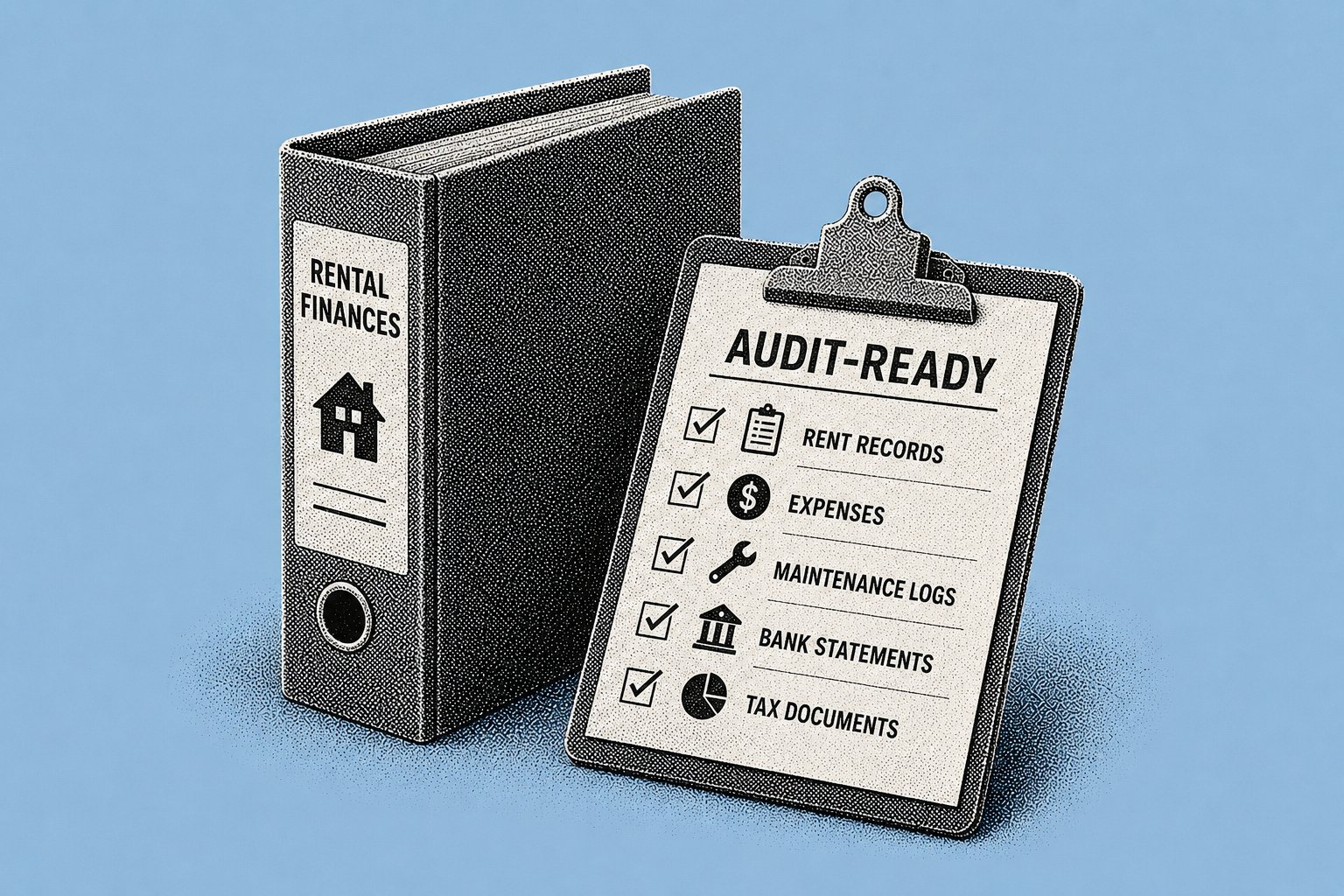
Most of Virginia's 2027 changes turn on records you can produce quickly: a statement of charges and payments for every nonpayment notice, a dated 90-day rent increase notice, proof a payment plan was offered and proof of what an applicant was told. Spreadsheets and payment apps make those slow to build and easy to get wrong.
Shuk Rent Collection takes ACH bank payments with zero ACH transaction fees for landlords and renters on every plan, so renters have a fee-free electronic option, and checks or money orders received outside Shuk can be recorded as offline payments so the renter's balance stays current. The Transaction History and Payment History reports give a record of every charge and payment for any property or renter and export to Excel or PDF, a starting point for the new written statements. Automated Late Fees applies the rules you configure, and you remain responsible for keeping them compliant. The Lease Indication Tool polls renters at 6, 5, 4 and 3 months before lease end, so you know who plans to renew before the 90-day deadline, and E-Lease and Document Signing shows exactly when a payment plan or renewal was signed and by whom.
At as low as $2 per unit per month, with no setup fees and no contract, and with White Glove Onboarding included at no additional cost, Shuk makes accurate, well-documented Virginia notices and statements feasible for landlords and property managers up to 300 units.
Book a demo at shukrentals.com/book-a-demo to see how Rent Collection, Financial Reporting and the Lease Indication Tool work together so your 2027 notices go out on time with the numbers to back them up.