
Compliance and Legal
Know the Rules. Build the Workflows. Protect Your Portfolio.
Fair housing complaints, screening failures, missing disclosures, and defective notices are the most common ways landlords end up in court. This hub covers the federal and state rules that govern every stage of the rental relationship.
Compliance and Legal Hub: A Practical Guide to Landlord Legal Requirements
Landlord compliance and legal requirements govern every stage of the rental relationship, from how you advertise and screen applicants through how you execute leases, handle deposits, manage property access, and ultimately regain possession when a tenancy ends. For independent landlords and property managers overseeing 1 to 100 units, the legal risk is not abstract. Fair housing complaints, screening accuracy failures, missing lease disclosures, improper deposit handling, and defective eviction notices are among the most common triggers for regulatory scrutiny, financial penalties, and legal fees. Getting compliance right comes down to four disciplines applied consistently: knowing the rules that apply to your specific market, building repeatable documented workflows, keeping records that can be produced quickly when challenged, and auditing your processes before a complaint forces the issue.
This hub connects to eight focused resources covering each dimension of landlord legal compliance. Work through them in order or go directly to the topic where you have the most current exposure.
Four Disciplines Every Compliant Landlord Operation Requires
Most landlords think about compliance reactively, as something to address after a complaint arrives or a dispute escalates. In practice, compliance risk is created upstream: in the advertising language used to attract applicants, the criteria used to evaluate them, the documents executed at lease signing, and the processes applied consistently throughout the tenancy. Getting any one of these wrong can create liability even when your intent was entirely reasonable.
Knowing the rules means understanding which federal requirements apply to all covered housing, which state rules apply to your specific market, and which local ordinances layer additional obligations on top of both. A landlord in New York faces different security deposit deadlines, screening fee caps, and eviction notice requirements than a landlord in Texas. Using a one-size-fits-all process across markets is one of the most common and expensive compliance mistakes small portfolio operators make.
See the security deposit laws by state guide for the full jurisdiction-by-jurisdiction breakdown.
Building documented workflows means treating every high-risk decision point as a process rather than a judgment call. Tenant screening, accommodation requests, deposit accounting, and eviction notices all require a defined sequence of steps, standardized forms, and a documented record of what was done and when. The landlords who lose fair housing cases rarely did the wrong thing intentionally. They did the right thing informally, and could not prove it when challenged.
See the tenant screening compliance requirements guide for the full seven-step screening workflow.
Maintaining retrievable records means organizing files so that every material document, including the ad copy used, the screening criteria in effect, the signed lease and addenda, the move-in inspection with photographs, and every notice served with proof of delivery, is immediately accessible in a searchable system for the full applicable retention period. Documentation is not clerical overhead. It is the primary evidence in every landlord-tenant dispute.
See the landlord documentation best practices guide for the complete file architecture and retention schedule.
Auditing before a complaint arrives means reviewing outcomes periodically to catch inconsistencies before they become patterns. Denial rates across screening criteria, accommodation response times, advertising language, and deposit handling are all auditable in advance. The quarterly review that identifies a problem is far less expensive than the investigation that identifies the same problem.
See the fair housing compliance guide for the quarterly audit routine and compliance checklist.
Curated Resources: Landlord Compliance and Legal Guides
1. Fair Housing Overview: The Legal Foundation for Every Rental Decision
Fair housing law applies at every stage of the rental relationship, not just at the application stage. The Fair Housing Act prohibits discrimination based on seven federally protected classes, and many states and cities add additional classes including source of income. Disability-related allegations consistently represent the largest share of fair housing complaints filed nationally each year, making the accommodation workflow the single most operationally important compliance process for independent landlords.
This guide covers the seven federally protected classes and what each means in practice, the difference between intentional discrimination and discriminatory effects liability, and a step-by-step compliance workflow for advertising, screening, leasing, in-tenancy management, accommodation requests, and renewals. It also includes a complete fair housing checklist organized by stage of the tenancy.
A second resource in this cluster, the Fair Housing Compliance Guide, goes deeper on the operational system for reducing discrimination risk, covering written screening criteria, advertising controls, documentation standards, training requirements, and quarterly audit routines.
2. Security Deposit Laws by State: Deadlines, Caps, and Compliance Rules
Security deposit compliance is one of the most jurisdiction-specific and operationally precise areas of landlord law. The rules governing how much you can collect, how the money must be held, whether interest is owed, what deductions are permitted, and the exact deadline for returning the deposit with a written itemization vary significantly across all 50 states and Washington DC. Missing a deadline by a single day can forfeit the right to any deductions in some states, regardless of how legitimate the underlying damage claim is.
This guide covers all 50 states and DC with practical, landlord-focused summaries of each state's deposit cap, escrow and interest requirements, permitted deductions, itemization and refund deadlines, and penalty structure for noncompliance. It also includes a seven-step compliance workflow covering correct charge classification, handling requirements, move-out documentation, and the deadline management process that prevents the most common and expensive move-out failures.
3. Eviction Process Basics: A Step-by-Step Roadmap from Notice to Lockout
The eviction process is a tightly sequenced legal procedure where a defect at any stage can reset the case and add weeks or months to the vacancy period. Landlords who lose eviction cases most frequently lose them not because the tenant was right, but because the notice was defective, service was improper, or a required document was missing from the filing. Understanding the eight stages of the process and where procedural failures most commonly occur is the foundation of cost-effective eviction management.
This guide walks through every stage from confirming legal grounds and serving the correct notice through filing the complaint, completing formal service of process, attending the hearing, obtaining a writ of possession, coordinating the lockout with law enforcement, and completing post-eviction obligations including deposit accounting, abandoned property handling, and file retention. It includes a complete compliance checklist organized by stage and a practical planning timeline for estimating total case duration.
4. Fair Housing Compliance Guide: Building the Operational System That Reduces Claims
Knowing fair housing law and operating in compliance with it are two different things. Discrimination claims most commonly arise not from obviously biased policies but from informal decisions, inconsistent exceptions, subjective language in decision records, and accommodation requests that were handled slowly or incompletely. Building a system that reduces discretion at high-risk decision points is more effective than any amount of additional training applied to an informal process.
This guide provides an eight-step operational blueprint covering standardized tenant selection criteria, individualized criminal history assessment, advertising language and targeting controls, consistent showing and inquiry scripts, documented accommodation workflows, objective decision records, team training and escalation paths, and quarterly compliance audits. It includes a ready-to-use Fair Housing Claim Prevention Checklist organized by stage of the leasing process.
5. Tenant Screening Compliance Requirements: FCRA, Fair Housing, and State-Specific Rules
Tenant screening compliance sits at the intersection of FCRA, fair housing law, and a growing set of state and local requirements covering application fees, pre-screening disclosures, criminal history timing restrictions, and subsidy-holder protections. A landlord who applies consistent documented criteria and sends proper adverse action notices when denying an application has a defensible position when challenged. A landlord who cannot produce written criteria, cannot explain why two similar applicants were treated differently, and never sent an adverse action notice has significant exposure even if the actual screening decisions were legitimate.
This guide covers seven steps for building a compliant screening workflow: mapping jurisdiction-specific rules before setting criteria, defining written standards that withstand disparate-impact analysis, obtaining proper FCRA authorizations, sending compliant adverse action notices for every report-influenced denial, applying fair-chance and criminal-history rules through individualized assessment, managing application fee and disclosure requirements by state, and retaining records securely with appropriate access controls. It includes a drop-in compliance checklist and a reference for the state rules that most commonly catch landlords off guard.
6. Lease Agreement Legal Requirements: What Must Be in Every Lease
A lease that is missing a required disclosure, includes a security deposit clause that exceeds the state limit, or fails to include a servicemember termination provision can create liability ranging from unenforceable clauses to regulatory penalties. The most common compliance failures are not dramatic omissions but small gaps that surface at the worst possible time: a pre-1978 unit leased without the lead-based paint disclosure packet, a California lease that predates the 2024 deposit cap change, or a lease sent for signature without the bed bug disclosure that is required before signing in that state.
This guide covers the three layers of lease compliance: federally required disclosures including lead-based paint for pre-1978 housing, fair housing compliance in lease terms and advertising, and servicemember termination rights; state-specific addenda including California's bed bug notice, flood hazard disclosure, and smoking policy requirements, and New Jersey's flood risk disclosure obligations; and operational compliance including e-signature standards under the ESIGN Act, record retention requirements, and how often lease templates should be reviewed and updated.
7. Avoiding Discrimination Claims: A Practical Blueprint for Every Portfolio Size
Avoiding discrimination claims requires an operating system, not a policy statement. Your biggest exposure rarely comes from an obviously biased rule. It comes from informal decisions that cannot be explained, inconsistent exceptions that have no documented justification, subjective language in decision records that implies bias, and accommodation requests that sat unanswered long enough to constitute constructive denial. The Fair Housing Act's discriminatory effects standard, reinstated in 2023, means that even facially neutral policies can create liability if they produce disproportionate outcomes for a protected class without sufficient justification.
This guide translates the legal framework into a numbered operational blueprint: writing and publishing consistent screening standards, treating criminal history as a documented individualized decision, controlling advertising language and delivery settings, standardizing showing and inquiry scripts, building a fast and documented accommodation workflow, recording every adverse decision with objective evidence, training staff on protected classes and escalation paths, and auditing outcomes quarterly to catch disparate-impact patterns before they become complaint clusters. It includes a ready-to-use Fair Housing Claim Prevention Checklist with sections covering every stage from advertising through move-out.
8. Documentation Best Practices for Landlords: Building a Defensible Record System
Most legal losses for housing providers do not happen because the landlord did the wrong thing. They happen because the landlord cannot prove what they did, when they did it, and that they applied the same process to everyone. Strong documentation creates a credible timeline supported by objective records, a consistent record that shows the same process was applied across all residents, and evidence that required disclosures and notices were delivered at the right time. Federal and state regulations treat documentation as a compliance requirement in its own right, with HUD program files commonly requiring retention for at least three years and certain program rules requiring five years after project completion.
This guide provides a seven-step documentation framework: standardizing templates and locking the required document list, centralizing storage with a consistent file architecture, using legally compliant electronic signatures with proper audit trails, building communication logs that are factual and time-stamped, documenting maintenance with work orders and photographs, setting and following a written retention schedule, and auditing document completeness quarterly. It includes a minimum defensible file checklist organized by stage of the tenancy and a sample retention timetable covering every major record category.
What Compliance Requires in the Current Enforcement Environment
Landlord compliance enforcement has intensified in several areas over the past two years in ways that directly affect how independent landlords need to operate.
Fair housing complaint volumes reached some of their highest recorded levels in recent years, with disability-related allegations consistently representing more than half of all complaints filed nationally. The discriminatory effects standard, reinstated by HUD in 2023, means that policies which appear neutral on their face can create liability if they produce disparate outcomes for a protected class. Landlords who have not reviewed their criminal history screening policies, occupancy standards, and advertising practices against the current regulatory framework carry more risk than they may realize.
Tenant screening compliance has drawn increasing federal attention. Significant enforcement actions against major screening vendors for report accuracy failures have put the downstream responsibility for adverse action notices and dispute handling squarely on housing providers. Landlords who rely on third-party screening without governance over the accuracy of reports they receive and without a documented adverse action workflow carry real FCRA exposure.
Security deposit enforcement at the state level has expanded. California's one-month deposit cap, effective July 1, 2024, required immediate template updates across many portfolios. Maryland's cap reduction and several other state-level changes in the same period underscore that deposit compliance is a living compliance obligation rather than a one-time setup.
Eviction filing volumes have increased in many markets following the end of pandemic-era protections. Busier court dockets mean that procedural defects are more costly than ever because continuances caused by improper notices or defective filings add weeks or months to an already congested timeline.
Landlords performing well in this environment share three compliance disciplines: they treat their screening, lease, and deposit processes as documented workflows rather than informal practices, they retain records in a centralized system that can produce a complete tenant file on short notice, and they review their processes annually against current regulatory guidance rather than relying on forms and procedures developed years earlier.
For landlords earlier in the process who are still deciding how to structure their rental operations, the getting started as a landlord guide covers the first 90-day operational setup including lease execution, rent collection, and documentation workflows.
{
"@context": "https://schema.org",
"@type": "FAQPage",
"mainEntity": [
{
"@type": "Question",
"name": "What are the most important federal laws for landlord compliance?",
"acceptedAnswer": {
"@type": "Answer",
"text": "The three federal statutes that create the most operational risk for landlords are the Fair Housing Act, which prohibits discrimination based on seven protected classes and requires reasonable accommodations for disability; the Fair Credit Reporting Act, which governs tenant screening, adverse action notices, and report accuracy; and the Lead-Based Paint Disclosure Rule, which requires specific disclosures, pamphlet delivery, and signed acknowledgments retained for at least three years for all housing built before 1978. Accessibility obligations under the ADA can also apply to public-facing leasing functions and common areas."
}
},
{
"@type": "Question",
"name": "How does fair housing law apply to landlords managing only a few units?",
"acceptedAnswer": {
"@type": "Answer",
"text": "The Fair Housing Act applies to most rental housing regardless of portfolio size, with narrow exceptions for certain small owner-occupied properties. Most independent landlords managing 1 to 100 units are fully covered. Risk does not depend on scale. It depends on whether decisions are consistent, documented, and non-discriminatory across advertising, screening, accommodation handling, and enforcement of lease terms. Small landlords are subject to the same civil penalties and enforcement mechanisms as large institutional operators."
}
},
{
"@type": "Question",
"name": "What happens if a landlord misses a security deposit deadline?",
"acceptedAnswer": {
"@type": "Answer",
"text": "The consequences vary by state but can be significant. Many states impose multiplier damages for late returns or improper deductions, commonly two to three times the withheld amount plus attorney fees. Some states allow tenants to recover the full deposit without any deductions if the itemization is served late, regardless of how legitimate the underlying damage claim is. The most reliable protection is a documented move-out workflow that begins the day possession is returned rather than after repairs are complete."
}
},
{
"@type": "Question",
"name": "When is an adverse action notice required in the rental application process?",
"acceptedAnswer": {
"@type": "Answer",
"text": "An adverse action notice is required any time a consumer report influences a denial or less favorable terms such as a higher deposit or shorter lease. The notice must include the name and contact information of the reporting agency, a statement that the agency did not make the decision, the applicant's right to a free copy of the report within 60 days, and the right to dispute inaccuracies. It should be sent immediately upon making the adverse decision."
}
},
{
"@type": "Question",
"name": "What records should a landlord keep and for how long?",
"acceptedAnswer": {
"@type": "Answer",
"text": "At minimum, landlords should retain leases and addenda, signed disclosure acknowledgments including lead-based paint forms for pre-1978 housing, screening criteria and decision documentation, adverse action notices, accommodation request logs, security deposit itemizations, maintenance records, entry notices, and communication histories. A baseline retention period of five to seven years for lease files and three to five years for screening records covers most regulatory and legal timelines. Records subject to active disputes should be held under a legal hold until the matter is fully resolved."
}
}
]
}
Shuk helps landlords and property managers get ahead of vacancies, improve renewal visibility, and bring more predictability to every lease cycle.
Book a demo to get started with a free trial.
The following guides cover every dimension of landlord legal compliance: fair housing requirements and how to build a system that reduces discrimination risk, security deposit rules across all 50 states and DC, eviction process steps from notice through lockout, tenant screening compliance under FCRA and fair housing law, required lease disclosures and addenda, operational strategies for avoiding discrimination claims, and documentation best practices that create a defensible record system. Together they give independent landlords a repeatable legal compliance framework that holds up under audits, complaints, and enforcement inquiries.
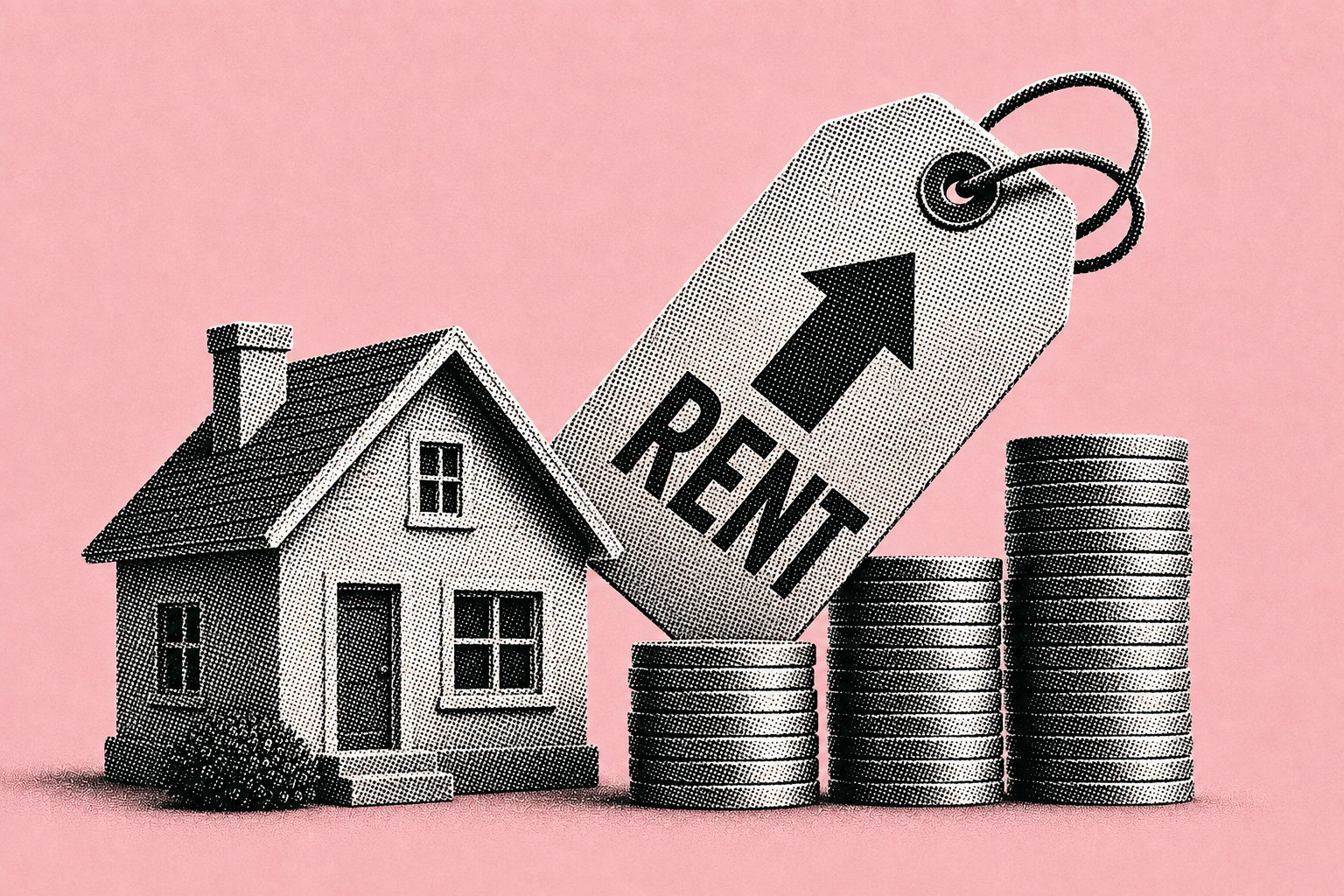
Compliance-First Steps to Raise Rent
Rent control and rent stabilization rules are tightening, and the penalties for getting a rent increase wrong can be expensive. Even in the strictest markets, most landlords still have multiple legal paths to improve income, from annual guideline bumps to approved pass-throughs for major work.
This article is not legal advice. For unit-specific decisions, confirm rules with the relevant agency or qualified counsel.
Rent Control vs. Rent Stabilization
Rent control typically means older, stricter rules that cap rents based on a regulated "rent ceiling," often with limited ways to reset rents. A classic example is New York rent control, which uses a Maximum Base Rent (MBR) system. Rent stabilization usually allows rent increases according to a published formula or an annual board order. NYC rent-stabilized apartments follow the annual increases set by the NYC Rent Guidelines Board. California's statewide framework under AB 1482 is functionally rent stabilization for many properties.
Under rent stabilization, your job is often calculate plus notice correctly. Under rent control, your job is often prove the lawful rent and comply with a more formal adjustment process.
Snapshot: CA, NY, OR, NJ
California (AB 1482). Annual cap is the lesser of 5% plus regional April CPI-U, or 10%, with CPI figures published annually. Local ordinances (Los Angeles, San Francisco, Berkeley) can be stricter.
New York City. Rent stabilization (RGB annual orders) and rent control (MBR program). RGB Order #56 (2024-2025) set 2.75% for 1-year leases and 5.25% for 2-year leases.
Oregon (SB 608). Statewide cap based on 7% plus CPI, capped at 10%; Oregon published 10% as the maximum for 2025.
New Jersey. No single statewide cap; many cities set their own (often 3% to 6% or CPI-linked). Jersey City caps at the lesser of 4% or CPI. Newark uses 4%. Hoboken has a 5% or CPI cap.
Above-Guideline Increases: When and How to Apply
When the guideline increase does not match rising costs, many jurisdictions allow Above-Guideline Increases (or similar pass-through mechanisms).
What typically qualifies. Building-wide capital improvements (roof, major plumbing, boiler, seismic work) are the most common basis. New York's MCI program is the best-known example; HCR outlines MCI/IAI concepts and requirements. San Francisco and Los Angeles have capital improvement petition pathways. Some places also allow petitions tied to operating and maintenance expense increases.
Practical AGI workflow. Confirm coverage and eligibility. Choose the correct program and basis. Build your documentation file as you spend (contractor agreements, paid invoices, proof of payment, permits, before/after scope narratives, rent roll). Give required tenant notices and allow response windows. Submit to the correct approval body and track timelines. NYC files with NYS HCR (DHCR). SF files with the SF Rent Board. LA files with LAHD.
Vacancy Decontrol
In New York, the HSTPA (2019) removed vacancy increases and "luxury" deregulation pathways for many regulated apartments. In other places, vacancy rules can be more permissive. Plan improvements during natural turnover when you can legally renovate without disrupting a tenancy. Use lawful tenant buyouts carefully only where allowed. Never "manufacture" vacancy through illegal pressure.
Common Pitfalls
Using the wrong cap (state cap vs. local ordinance). Bad notices (wrong effective dates, missing language, outdated forms). Unlawful add-ons (fees not authorized under the ordinance). Weak record-keeping (missing invoices, unclear allocations, no proof of payment can sink an AGI/MCI petition even when the work was legitimate).
Frequently Asked Questions
What qualifies for an above-guideline increase?
Building-wide capital improvements are the most common basis: roof replacement, major plumbing, boiler, seismic work. Some jurisdictions also allow petitions for operating cost increases. Documentation of invoices, permits, and proof of payment is required.
How is NYC's MCI program different after HSTPA?
HSTPA (2019) restructured and limited MCI increases. Vacancy bonuses and luxury deregulation pathways were removed for many regulated apartments. MCI applications still go through HCR with tenant notification and response windows.
Can I raise rent beyond the guideline in California?
AB 1482's cap is the lesser of 5% plus CPI or 10%. Local ordinances in LA, SF, and Berkeley can be stricter and may have their own petition pathways for capital improvements or hardship.

Compliance First, Then Revenue
Independent landlords in rent-controlled cities face a compliance puzzle: increases must be legally correct, documented, and communicated in a way that keeps tenant relationships intact. This guide walks through the major frameworks in seven U.S. cities and gives you a practical workflow.
This article is not legal advice. For unit-specific decisions, confirm rules with the relevant agency or qualified counsel.
Rent Control vs. Rent Stabilization vs. Just-Cause Eviction
"Rent control" and "rent stabilization" both limit rent increases, but the mechanics differ. Rent stabilization typically allows periodic increases set by a board or a CPI-based formula (for example, NYC's Rent Guidelines Board orders). Rent control can be older, narrower, and more unit-specific, often tied to building age, registration status, or local definitions.
Just-cause eviction is different: it does not necessarily cap rents, but it limits when and how you can terminate a tenancy. That means rent increases cannot be used as a backdoor eviction tactic. In practice, treat rent increases and tenancy changes as compliance events: verify coverage, calculate maximums, deliver correct notice, and keep a clean paper trail.
2026 Overview: Seven-City Quick-Reference
Rules can change annually. The table below summarizes 2026 maximum increases and baseline notice concepts using the latest available agency guidance and statutes.
New York City (Rent Stabilized). 0% for leases commencing 10/1/2026 to 9/30/2027, per RGB. 90 to 150 days notice before lease expiration for renewals. RGB process controls increases; no vacancy bonus during this period.
Los Angeles (RSO). 3% flat for 7/1/2026 to 6/30/2027, per LAHD. 30 days if increase is under 10%. Petitions for capital improvements/operating costs via LAHD.
San Francisco (Rent Ordinance). 1.6% for 3/1/2026 to 2/28/2027, per SF Rent Board. 30 days written notice. Rent Board petitions for capital improvements/hardship.
Chicago. No numeric cap (state preemption). 30/60/120 days depending on tenancy length under Fair Notice Ordinance. No rent cap petitions; compliance centers on notice and RLTO.
Washington, D.C. (Rent control). CPI-W plus 2% (max 10%); elderly/disabled: CPI only (max 5%), per OTA. 60 days notice. Petitions for improvements/hardship; some agreements need tenant consent thresholds.
Portland, OR (State cap plus city relocation rules). 9.5% (state cap for 2026). 90 days; no increases in first 12 months. State exemptions for newer/affordable/substantial rehab; Portland relocation assistance rules at 10% or more.
Seattle, WA (State cap plus stricter city notice). 9.683% cap for 2026. 180 days in Seattle for any increase. State exemptions (newer construction/affordable); Seattle obligations can escalate for large increases.
Is Your Unit Covered?
Before you calculate anything, confirm coverage. Common exemption triggers include building age/new construction, property type, affordability restrictions, and owner-occupancy thresholds. D.C. units built before 1976 are typically covered unless an exemption applies. Portland (Oregon SB 608) exemptions can apply to newer construction, affordable housing, or substantial rehabilitation. Seattle/Washington HB 1217 includes exemptions such as newer construction and certain affordable housing categories. Chicago has no rent control cap due to state preemption, but notice rules still apply.
Calculating the Maximum Allowable Increase
Once coverage is confirmed, calculate the maximum for the specific effective date, not when you drafted the letter. Document (1) the current legal rent/base rent, (2) the authorized percentage, (3) the math, and (4) the effective date. If challenged, your "how I got this number" matters as much as the number.
Petitioning for Larger Increases
If the allowable increase does not match rising costs, some cities offer petition paths. Los Angeles requires petitions for certain capital improvement or operating cost adjustments beyond the standard increase. San Francisco Rent Board petitions may be available for capital improvements or hardship, with documentation expectations. Washington, D.C. petition options exist for improvements/hardship (and some voluntary agreements involve tenant-consent requirements).
Petitions succeed on proof. Keep operating cost invoices (roofing, boiler replacement, insurance, property tax changes where relevant) organized with receipts and year-over-year comparisons. Even if you never file, this documentation supports transparent tenant communication.
Notices and Required Documentation
Most disputes come from bad notice, not bad math.
NYC rent-stabilized renewals require 90 to 150 days' advance notice. LA and SF common baseline is 30 days written notice for typical increases. D.C. requires at least 60 days. Portland (Oregon) requires 90 days and no increase during the first 12 months of tenancy. Seattle requires 180 days notice for any increase within Seattle. Chicago notice scales up to 120 days for longer tenancies under the Fair Notice Ordinance.
Documentation checklist: the notice letter, calculation sheet, proof of service/delivery method, any required forms, and a rent ledger showing current rent and the new amount.
Communicating the Increase
Treat the increase like a professional policy update, not a threat. Be early: send an informal heads-up before the legal notice window, then deliver the formal notice on time. Be transparent: explain the legal cap (or freeze) and the effective date; avoid blaming the tenant. Offer choices: when legal, consider longer lease terms, small step-ups timed to the rules, or improvements that matter to tenants.
Overcharging Risks
The downside of a noncompliant increase can outweigh the extra rent. Portland/Oregon: noncompliance can expose landlords to three months' rent in damages under state rules, and Portland's relocation assistance ordinance can multiply liability. Seattle/Washington: enforcement can include penalties up to $7,500 per violation under state enforcement, plus Seattle civil fines for notice violations. Chicago: improper notice can allow tenants to remain at the prior rent and can trigger RLTO consequences.
Operationally, illegal increases also create collection problems: tenants may withhold the disputed portion, and your ledger becomes harder to reconcile.
How to Stay Organized
- Tag each unit with its city regime, exemption status, and renewal window so you do not accidentally apply a market increase to a regulated unit.
- Keep operating costs organized with receipts so petition packages are not rebuilt from scratch.
- Send pre-notices and formal notices through a documented channel and keep an audit trail.
- Apply the new rent on the correct effective date and keep a clean ledger if a tenant disputes part of the increase.
Shuk's Lease Indication Tool (LIT) provides early renewal intelligence starting six months before lease end, so you know which leases are approaching decision points well before notice windows open. Centralized in-app messaging with email and push notifications keeps notice delivery and tenant conversations time-stamped and searchable. Online rent collection with zero ACH transaction fees creates a clean payment ledger. Schedule E-aligned expense organization with digital receipts keeps operating cost documentation organized for petition preparation. And document storage keeps notices, calculation sheets, and service receipts in one place per unit.
At as low as $2.00 per unit per month with no setup fees, and with White Glove Onboarding included at no additional cost, Shuk makes documented rent management feasible for landlords running 1 to 100 units.
Frequently Asked Questions
Can I raise rent on a rent-stabilized apartment in NYC in 2026?
For leases commencing 10/1/2026 to 9/30/2027, the NYC Rent Guidelines Board set a 0% increase for rent-stabilized apartments. Renewal notice must be provided 90 to 150 days before lease expiration.
What happens if I serve the wrong notice period?
The increase may be unenforceable, and tenants may remain at the prior rent. In some cities, improper notice can trigger additional penalties or liability (for example, Portland's three months' rent in damages or Seattle's $7,500 per violation).
Can I petition for a larger increase if my costs have risen?
Some cities allow petitions for capital improvements, operating cost increases, or hardship. Los Angeles, San Francisco, and Washington, D.C. all have formal petition pathways. Documentation of invoices, permits, and proof of payment is typically required.

Most Eviction Losses Are About Paperwork, Not Facts
If you have never had to remove a renter before, learning how to evict a tenant can feel overwhelming, especially when rent is missing, neighbors are complaining, or your property is being damaged. The reality: most eviction losses are not about whether the tenant violated the lease. They are about paperwork, timing, and procedure. The wrong notice, the wrong service method, the wrong date, or a missing detail can give the tenant a technical defense that voids your case.
That risk is real. Princeton's Eviction Lab tracks eviction filings nationally and shows how frequently cases enter the court system, even when many never reach a lockout.
Note: This article provides general education about eviction procedures, not legal advice. Notice periods, counting rules, service methods, cure requirements, and court procedures vary significantly by state and municipality. Before serving any eviction notice, confirm your obligations under applicable law, and consult a qualified attorney for contested or complex situations.
This guide breaks down how to evict a tenant step-by-step, with state-specific notice periods, the mistakes that void cases, and a practical documentation system, so you can act confidently, stay compliant, and protect your investment.
How the Eviction Process Works
At a high level, how to evict a tenant follows the same legal arc in every state: (1) identify a lawful ground, (2) serve the correct written notice with the correct deadline, (3) file in court if the tenant does not comply, (4) attend a hearing and obtain a judgment, (5) receive a writ/order for possession, and (6) coordinate the lockout through the sheriff/constable, not yourself.
The details change dramatically by state. Florida's nonpayment notice is 3 business days (excluding weekends/holidays) under Fla. Stat. 83.56. Massachusetts commonly requires a 14-day Notice to Quit for nonpayment under M.G.L. c. 186, 11. Virginia increased its unpaid-rent notice to 14 days effective July 1, 2026 (Virginia Code 55.1-1245). California often uses 3-day notices for nonpayment and certain breaches.
Example (Florida). A landlord posts a "3-day" rent notice but counts weekend days. The tenant challenges the timeline and the case is delayed because the statutory counting method matters.
Example (Virginia). A landlord uses an older 5-day form from a prior year, now outdated, making the notice defective after July 1, 2026.
Always use your state's current notice period and counting rules before you file. Treat your notice like evidence, because it becomes evidence.
Step-by-Step: How to Evict a Tenant
1. Confirm You Have a Lawful Eviction Ground
Most cases fit four buckets: nonpayment, lease violations, holdover (staying after the lease ends), or illegal activity. Courts generally expect your notice to match the ground. California courts list multiple notice types (like a 3-Day Notice to Pay Rent or Quit and 3-Day Notice to Perform Covenants or Quit) each tied to a specific reason. Florida similarly distinguishes 3-day nonpayment notices from 7-day violation notices under Fla. Stat. 83.56.
Example. Andre in Massachusetts served a generic "pay now" letter. At the hearing, the judge asked for the proper 14-day Notice to Quit required for nonpayment. Andre had to restart the process.
Do not mix grounds (for example, nonpayment plus noise) in one sloppy notice unless your state form supports it. Use a notice title and deadline that align with statute/court guidance in your jurisdiction.
2. Check Your State's Notice Period and Prepare the Notice Carefully
This step is the most common failure point. Your notice must typically include: tenant names, property address, the specific breach, the cure/payment amount (if allowed), the deadline date, and how the tenant can comply.
State rules vary widely: Florida: 3-day nonpayment notice excludes weekends/holidays. Virginia: unpaid-rent notice is 14 days as of July 1, 2026. California: courts outline when 3-day vs. 30/60-day notices apply. Washington: notice requirements can be ground-specific and detailed.
Example. Maria wrote a 3-day rent notice but did not itemize the amount correctly and used informal language. The tenant challenged the notice as defective; she had to re-serve using court guidance and lost weeks.
Use current, state-appropriate language and count days exactly as your statute/court site requires. When in doubt, mirror your state court's self-help guidance and formatting.
3. Serve the Notice Correctly and Keep Proof of Service
Even a perfectly written notice can fail if service is wrong. Many states allow personal delivery, posting plus mailing, or certified mail, under conditions.
Example. Lena in Florida used hand delivery with a witness and followed up with a mailed copy. When the tenant denied receiving it, her witness statement and mailing record supported her timeline.
Build a "service packet": notice copy, date-stamped photos (if posted), mailing receipts, and a signed proof-of-service. Treat service like step one of your courtroom evidence, not a casual drop-off.
4. File the Eviction Case (Only After the Notice Deadline Passes)
If the tenant does not cure, pay, or vacate by the deadline, you move into the court phase. Texas legal guides summarize the eviction process and link to justice court procedures. In Georgia, the process commonly begins with a "dispossessory" filing. Maryland's People's Law site provides practical court-facing explanations for rent court/eviction steps.
Example. Derek in Texas filed the day after the notice expired, brought a ledger, the lease, and proof of service, and avoided continuances because his packet was complete.
File only after the full statutory notice period ends. Bring a complete "court bundle" the first time: lease, notices, proof of service, ledger, and photos.
5. Prepare for the Hearing
A hearing is where how to evict a tenant becomes less about frustration and more about evidence. Judges commonly want to see (1) the lease terms, (2) what happened, (3) your notice, (4) your service proof, and (5) your rent accounting.
Example. Rachel had repeated noise/unauthorized pet complaints. She brought a timeline, dated photos, and copies of written warnings. The judge focused on the pattern and the documented opportunities to cure.
Build a timeline: date, incident, clause violated, evidence, communication sent, tenant response.
6. Get the Writ/Order for Possession and Coordinate the Lockout
Even after you win, you typically must obtain a writ/order for possession and have law enforcement carry out the lockout. Many state resources emphasize that eviction is a court process and that "self-help" is risky or prohibited.
Example. Gary changed the locks after winning "informally" in a text exchange. The tenant filed a complaint; Gary faced potential damages and lost time correcting course.
Never change locks, shut off utilities, or remove belongings outside the legal process. Plan ahead: locksmith plus walkthrough checklist plus photo documentation the moment possession is returned.
State-by-State Minimum Notice Periods (Quick Reference)
CA: Nonpayment 3 days, Lease violation 3 days. FL: Nonpayment 3 days (excludes weekends/holidays), Lease violation 7 days. MA: Nonpayment 14 days, Lease violation varies. VA: Nonpayment 14 days (effective Jul 1, 2026), Lease violation varies. MS: Nonpayment 3 days, Lease violation 14 days. WI: Nonpayment 5 or 14 days, Lease violation varies. IA: Nonpayment 3 days, Lease violation varies. WA: Ground-specific for both. GA: Nonpayment commonly 3 days, Lease violation varies.
This table provides a starting point. Confirm on official statute/court pages for your state. Nolo maintains state-by-state landlord-tenant charts that can help you locate your state's baseline rules.
Eviction Readiness Checklist
Confirm lawful ground: nonpayment, violation, holdover, or illegal activity. Pull the exact lease clause violated and the tenant ledger (if nonpayment). Choose the correct notice type and deadline for your state (for example, FL 3-day nonpayment excluding weekends/holidays; VA 14-day unpaid rent as of 7/1/2026). Prepare notice plus service plan (personal delivery, posting plus mailing, etc.) consistent with court guidance. Document everything: dated photos, neighbor complaints, repair invoices, written communications. Wait until the notice deadline fully expires, then file in the correct court. Prepare your hearing packet: lease, notices, proof of service, ledger, timeline, photos. After judgment, obtain writ/order and schedule sheriff/constable lockout (no self-help).
Frequently Asked Questions
How long does it take to evict a tenant?
It depends on notice length, court backlog, and whether the tenant contests. Your notice alone can be 3 to 14 or more days depending on state (FL 3 days; VA 14 days). Contested hearings add time.
Can I evict a tenant without going to court?
Typically, no. Most states require a court judgment and then a writ/order for possession before a lockout; "self-help" actions are risky and often prohibited.
What mistakes most often get an eviction dismissed?
Wrong notice type, wrong deadline calculation (like excluding weekends/holidays in Florida), improper service, filing before the deadline expires, and weak documentation that cannot prove the breach.
What to Do Next
If you are serious about how to evict a tenant without costly do-overs, start building your evidence file before you ever step into court. Shuk's maintenance request tracking with photos, videos, documents, and notes lets you document violations as they happen, creating a condition and communication history tied to specific units. Centralized in-app messaging with email and push notifications creates a time-stamped record of every tenant communication, so your notice timeline and contact attempts are backed by records. Document storage keeps leases, notices, service receipts, and evidence organized in one place per unit. And payment and income reports filterable by property, tenant, and date and exportable to PDF or Excel give you the rent ledger that courts require.
At as low as $2.00 per unit per month with no setup fees, and with White Glove Onboarding included at no additional cost, Shuk makes documented, defensible property management feasible for landlords and property managers running 1 to 100 units.

One Tenant Mistake Can Spiral Into Months of Conflict
One tenant mistake can spiral into months of conflict, especially when everyone assumes "the other policy" will pay. A kitchen grease fire spreads smoke into adjacent units. A bathtub overflows and damages the unit below. A guest slips on a wet floor and hires an attorney. In these moments, the question is not just who is at fault. It is whether there is insurance in place to handle the tenant's belongings, temporary housing, and personal liability without dragging you into a costly dispute.
That is why more owners are asking: should landlords require renters insurance? Done correctly, a renters insurance requirement is a low-cost, high-impact way to reduce claims friction, clarify responsibility, and keep small incidents from escalating into lease-breaking battles.
Note: This article provides general education about renters insurance requirements, not legal or insurance advice. State rules on mandatory renters insurance, coverage caps, and tenant protections vary. Oregon caps liability requirements at $100,000, and research indicates Oklahoma prohibits mandated renters insurance. Before implementing a requirement, confirm your obligations under applicable state and local law.
What Renters Insurance Covers (and What It Does Not)
Renters insurance is a tenant's policy, often called an HO-4 policy, designed to protect the tenant, not the building owner. It typically covers three areas: personal property (their belongings), personal liability (if they injure someone or damage someone else's property), and loss of use (temporary living expenses if the unit becomes unlivable due to a covered loss).
Industry sources place average premiums around $13 to $25/month, with many landlords communicating a planning range of $15 to $30/month depending on location, coverage, and insurer, per Progressive, Policygenius, and Business Insider. The Insurance Information Institute notes renters insurance remains relatively affordable, yet only about half of renters carry it, often due to the misconception that the landlord's policy covers tenant belongings.
Tenant belongings (personal property). Limits often range from $15,000 to $500,000 depending on the policy, per Travelers. This helps prevent "my stuff was ruined, pay me" disputes aimed at you after a covered event.
Personal liability. Common starting limits are $100,000 with options to increase. This is the key landlord-adjacent benefit: if a tenant causes property damage to others or injures someone, their policy may defend and pay (subject to exclusions).
Loss of use (additional living expenses). Helps pay for temporary housing if the unit is uninhabitable due to a covered claim.
What it generally does not cover: The building or landlord-owned property (that is for your landlord policy). Flood and earthquake under standard forms (tenants need endorsements or separate coverage). Wear and tear, pests, intentional damage, and other common exclusions.
Example A (coverage works). Tenant's dog bites a guest. The guest sues. The tenant's renters insurance liability may respond (depending on animal exclusions and policy terms). Your requirement reduces the chance your insurer is the only target.
Example B (coverage does not work). A slow plumbing leak from old pipes causes mold over time. That may be treated as maintenance/wear-and-tear and excluded. Renters insurance will not fix deferred maintenance, and requiring it will not protect you from habitability obligations.
When Requiring Renters Insurance Makes Sense
For many owners, the decision framework is simple: if a tenant-related incident could create a liability dispute, you benefit from renters insurance. Renters insurance does not replace landlord insurance, but it can reduce the chance you get pulled into a tenant's liability or relocation problem.
Situations where a renters insurance requirement is especially useful: multi-family properties where one unit's mistake impacts another (water leaks, cooking fires, smoke), properties with shared hallways/stairs where guests and delivery workers could get injured, and higher-risk amenities (pools, grills, fireplaces) where tenant negligence can spike severity.
Water loss that migrates. A tenant leaves a tub running; water damages the unit below. The downstairs tenant seeks reimbursement for damaged furniture. If the upstairs tenant has renters insurance, liability coverage may respond (subject to policy terms), reducing pressure to "make the landlord pay."
Kitchen fire and displacement. A small cooking fire triggers smoke remediation and the unit becomes temporarily uninhabitable. The tenant's loss of use coverage can pay for hotel/extra living expenses, lowering the odds they demand rent abatement beyond what your local rules require.
If you are in subsidized/affordable housing contexts, be careful about adding costs that could be viewed as burdensome; federal program guidance generally discourages extra mandatory expenses. When in doubt, consult local counsel and your housing administrator.
How to Set Coverage Minimums
If you require renters insurance, you need minimums that are reasonable, aligned with local law, and easy to verify.
A practical baseline many landlords choose: $100,000 personal liability (widely available as an entry limit, per Travelers), a reasonable personal property minimum (or none, depending on state limits), and loss of use included (usually standard, but confirm).
Example A (small duplex). Require $100k liability, do not mandate a specific contents limit. You are primarily protecting against third-party damage/injury claims.
Example B (urban multi-family). Require $100k to $300k liability and encourage higher limits for tenants with frequent guests/roommates. Provide a one-page explanation at move-in to reduce friction.
Do not require a specific insurer. Several jurisdictions restrict steering tenants to particular carriers (and it is a best practice even where not prohibited). Consider requiring the tenant to list the landlord/property manager as an "interested party" (to receive cancellation/nonrenewal notices) rather than an "additional insured" (often not appropriate for renters policies).
Write a Clear Renters Insurance Clause Into the Lease
The lease clause is where renters insurance goes from "good idea" to enforceable process. Your clause should answer: who must carry it, how much, when proof is due, how you will verify, and what happens if it lapses.
Sample renters insurance clause (template):
Tenant must maintain renters insurance for the full lease term and any renewal/holdover period. Policy must include minimum personal liability coverage of $________ (commonly $100,000). Tenant is responsible for insuring personal property and loss of use (the landlord does not insure tenant belongings). Proof of insurance (declarations page) due before keys are released and upon each renewal. Landlord/property manager must be listed as Interested Party to receive cancellation/nonrenewal notices (where available). Tenant must notify landlord of cancellation or material change within X days. Failure to maintain coverage is a lease violation and may result in remedies allowed by law (notice to cure, fees where permitted, or termination).
Two state-law-informed cautions:
Oregon (ORS 90.222). Landlords may require renters insurance, but liability requirements are capped at $100,000, and there are exemptions for certain low-income tenants. Tenants also have a cure option, and landlords can face damages for violations. Oregon also restricts what you can require (for example, not mandating specific contents coverage or carriers).
Oklahoma (Title 41). Research indicates Oklahoma uniquely prohibits mandated renters insurance requirements by landlords. If you operate in Oklahoma, get state-specific legal guidance before adding this clause.
Also note: Virginia allows renters insurance requirements but includes disclosure-related rules and a cap concept tied to deposits/premiums in certain contexts. Massachusetts can be sensitive around what charges/requirements are treated as illegal add-on fees if not structured carefully; landlords often treat renters insurance as optional or ensure strong disclosure (and should consult counsel).
In most states, landlords can require renters insurance by lease contract, but there are notable exceptions and caps, so verify your state and local rules.
Verify Coverage and Monitor Compliance
Requiring renters insurance is easy. Tracking it across renewals, policy changes, and lapses is the operational challenge.
Best-practice verification steps: Collect the declarations page (not just a receipt). Confirm: policyholder name(s) match lease, address/unit matches, effective dates cover the lease term, liability limit meets your minimum. Require the landlord/manager to be listed as interested party for notice (where insurers support it). Store documents in the tenant file and set renewal reminders 30 to 45 days before expiration.
Example A (silent lapse). Tenant pays monthly; card expires; policy cancels mid-lease. Without tracking, you find out after a claim. Prevention: require interested-party listing plus calendar reminders plus periodic audits.
Example B (roommate mismatch). Only one roommate is named on the policy, but both are on the lease. If the uncovered roommate causes damage, liability coverage could be disputed. Prevention: require all adult occupants on the lease to be listed or otherwise covered (confirm with the tenant/insurer).
Average renters claims can range roughly $3,000 to $5,000 for routine losses and $13,000 to $15,000 for larger incidents like fire/water damage events, per The Agent's Office. That is exactly the kind of dollar amount that turns into a landlord-tenant standoff when there is no tenant policy.
Enforce Consistently and Plan for Lapses
Even if your lease is airtight, inconsistent enforcement can create fair housing risk and tenant resentment. Treat renters insurance like any other lease condition: uniform, documented, and paired with a reasonable cure process.
If a tenant will not buy it or lets it lapse: Send a written notice to cure with a clear deadline. Offer a simple "how to comply" sheet: what limit to buy, what proof to submit, where to upload. Apply lease remedies that are legal in your jurisdiction (fees are restricted in some states; termination may require specific notice periods).
Explain that renters insurance primarily protects them: their belongings and hotel costs, while also protecting neighbors and the property from liability disputes. The Insurance Information Institute highlights that many renters remain uninsured due to misconceptions about landlord coverage; a one-page explainer at signing prevents that.
Checklist: Renters Insurance Requirement
Confirm your state/local rules: is renters insurance allowed, capped, or restricted (Oregon cap; Oklahoma prohibition). Decide your minimum liability limit (commonly $100,000). Decide whether to set a minimum for personal property (optional; be mindful of state restrictions). Add a renters insurance clause to the lease with: proof due date, renewal requirement, and lapse consequences. Require the declarations page and verify: names, unit address, dates, liability limit. Require landlord/manager listed as interested party (when available) for cancellation/nonrenewal notice. Store proof in the tenant record. Set reminders: 45 days before expiration; follow-up at 30/15/5 days. Define your cure workflow: notice template, deadline, documentation requirements. Audit compliance quarterly (spot-check expirations and missing interested-party listings).
Frequently Asked Questions
Is renters insurance the same as landlord insurance?
No. Renters insurance covers the tenant's belongings, personal liability, and loss of use, generally not the building or landlord-owned property. Landlord insurance is designed to cover the structure and certain owner risks.
Should landlords require renters insurance in every state?
In most places, landlords can require renters insurance by lease agreement, but there are meaningful exceptions and limits. Oregon allows the requirement but caps liability coverage at $100,000 and includes certain exemptions/cure rights. Research indicates Oklahoma prohibits mandated renters insurance requirements. If you operate in states with special rules, confirm with local counsel.
How much does renters insurance cost tenants on average?
Most reputable pricing summaries place average premiums around $13 to $25 per month, and many landlords communicate a safe planning range of $15 to $30/month, varying by state and risk, per Progressive, Policygenius, and Business Insider.
What happens if a tenant's renters insurance lapses mid-lease?
Treat it like any other lease violation: document it, issue a notice to cure, and require updated proof by a firm deadline. Lapses matter because incidents do not wait for renewal dates.
What to Do Next
If you decide renters insurance should be mandatory, the real win comes from tracking it consistently. Shuk's document storage keeps declarations pages, lease addenda with insurance clauses, and communication records organized in one place per tenant, so you can verify coverage status without chasing PDFs. Centralized in-app messaging with email and push notifications creates a time-stamped record of insurance-related conversations and cure notices. E-signature through our Adobe-powered integration handles lease addenda that include your renters insurance clause.
At as low as $2.00 per unit per month with no setup fees, and with White Glove Onboarding included at no additional cost, Shuk makes documented lease management feasible for landlords and property managers running 1 to 100 units.
Pet Policy for Rental Properties: How to Set Rules That Protect You
Set Clear Pet Rules to Reduce Vacancy Risk and Protect Your Property
A clear pet policy for rental properties can reduce vacancy risk and attract more applicants, or it can expose you to costly damage and liability. Most U.S. households have pets, and pet-friendly listings often command higher rents and longer tenancies. But pets introduce real risks: property damage, nuisance complaints, and liability exposure. Dog-bite claims alone average near $69,000, according to Insurance Information Institute reporting.
Note: This article provides general education about rental pet policies and assistance animal obligations, not legal advice. Fair Housing Act requirements, HUD assistance animal guidance, ADA service animal rules, state security deposit laws, and local breed restrictions vary by jurisdiction. Before setting pet policies or responding to accommodation requests, confirm your obligations under applicable law.
This guide shows you how to decide whether to allow pets and how to write a landlord pet policy that reduces risk while staying compliant with Fair Housing rules on service and assistance animals, per HUD's FHEO-2020-01 guidance.
What a Strong Pet Policy Does and What It Must Avoid
A strong pet policy does two things: (1) it sets unmistakably clear expectations for tenants, and (2) it gives you practical, legally defensible tools to enforce those expectations. Keep your pet rules in a dedicated pet addendum referenced by the lease, so you can be specific about species, size, behavior standards, cleaning requirements, and inspections without cluttering the main lease.
Your policy must clearly separate pets (optional, subject to fees and restrictions) from assistance animals (requested as a reasonable accommodation for a disability under the Fair Housing Act). Under the FHA, housing providers must make reasonable accommodations in rules when necessary for equal use and enjoyment of the dwelling (42 U.S.C. 3604(f)(3)(B)). HUD's FHEO-2020-01 guidance explains how to evaluate requests, what documentation may be appropriate, and when fees are not allowed.
The workflow: decide whether to allow pets; set deposits, fees, and rent; write enforceable rules; screen and verify; inspect and document move-out damage; and enforce a "no pets" lease without violating Fair Housing protections.
Step-by-Step: How to Build a Pet Policy That Reduces Risk
1. Decide Whether "Pet-Friendly" Fits Your Property
Start with a business decision. Demand is high: pet ownership is widespread, and renter preference surveys consistently show pets heavily influence housing choice, per National Apartment Association reporting. Revenue upside is real: pet-friendly units may command higher rents and improve retention, reducing turnover costs.
Weigh that against: property damage (studies cited by pet-housing advocates often show average pet damage is modest, commonly around a couple hundred dollars annually, though some tenants cause meaningful damage), liability exposure (dog-bite claims are expensive and rising, per Insurance Information Institute), and building constraints (carpets, shared hallways, small yards, or strict HOA rules may push you toward tighter rules or "cats only").
Concrete example. A second-floor, carpeted unit might allow one cat with strict litter-box and odor rules. A single-family home with a fenced yard might allow one dog under 50 lbs plus a renters-insurance requirement.
2. Define What Is Allowed
Your landlord pet policy should be specific enough to enforce, but not so complex that it becomes inconsistent.
Common levers: Species (dogs/cats only; exclude reptiles, rodents, birds, farm animals, or aquariums over a set gallon size). Number of pets (typically 1 to 2). Size/weight (for example, 40 to 60 lb limit; note that some local laws restrict pet limits). Breed restrictions (many landlords use them for insurance reasons, but be careful: HUD emphasizes that assistance animal requests must be evaluated individually and not denied due to breed/size alone if the animal is needed as an accommodation, per FHEO-2020-01 and HUDExchange FAQ guidance).
Write behavior-based rules: no aggression, excessive barking, or repeated complaints; pets must be leashed in common areas; waste must be picked up immediately. Require vaccination/licensing per local law and proof of spay/neuter if you choose (where permitted).
Example clause. "Approval is conditional on the pet not posing a direct threat or causing substantial property damage; repeated verified complaints are grounds for removal."
3. Set Fair, Legal Pet Charges
Use pet charges to align incentives and fund risk, not to punish tenants.
Pet deposit (typically refundable). Held to cover pet-related damage beyond ordinary wear and tear; subject to your state's security-deposit rules (limits, interest, return deadlines).
Pet fee (typically non-refundable). Often used as an administrative charge (for example, cleaning/flea treatment). Be careful with terminology: some states treat "fees" like deposits if they function as damage security.
Pet rent (monthly). A predictable amount to offset increased wear, filters, deodorizing, and common-area cleaning.
Practical ranges (use as a starting point, then validate locally): Pet deposit: $200 to $500 per pet. Non-refundable pet fee: $150 to $350. Pet rent: $25 to $60/month per pet.
Critical compliance point. Do not charge pet deposits, pet fees, or pet rent for a service animal or other assistance animal approved as a reasonable accommodation under the FHA, per HUD FHEO-2020-01. You can still charge the tenant for actual damage the animal causes if you charge any tenant for damage they cause.
4. Put It in Writing: The Pet Addendum
Your lease should say "no pets allowed without written approval," then point to a pet addendum that includes:
Identifying details: Pet name, species, breed (if applicable), color, weight, age, photo.
Approved areas: Where the pet may be (and may not be), rules for balconies/yards/common areas.
Noise/odor/sanitation: Waste disposal, litter requirements, flea control, odor remediation.
Damage and liability: Tenant responsible for all pet-related damage and pest treatment; tenant indemnifies landlord (consistent with state law).
Insurance requirement: Renters insurance with liability coverage (confirm your insurer's requirements; dog-related injuries are a key driver of claims, per Insurance Information Institute).
Inspections and remedies: Right to inspect with proper notice; cure periods; removal of pet for repeated violations; fees for unauthorized pets (where permitted).
Concrete example. Add a "three strikes" structure: two written warnings for verified waste/noise violations, then mandatory removal or lease enforcement on the third.
5. Screen Pets Consistently and Document Decisions
Pet screening is risk management, and it supports Fair Housing compliance by keeping decisions consistent.
Best practices (keep it uniform for every applicant with a pet):
Collect a pet application: Vet records, vaccination proof, microchip, references (prior landlord if possible). Ask for behavior evidence: Training certificates, day-care evaluation, or neutral third-party attestations (optional). Do a meet-and-greet: Observe leash behavior, jumping, barking, reactivity.
Documentation. HUD encourages an "interactive process" and reliable documentation when disability/need is not obvious for assistance animal requests, with prompt decisions (HUD guidance often references timelines around 10 days as a best practice), per FHEO-2020-01 and HUD/DOJ Joint Statement (2004).
6. Understand the Legal Line: Pets vs. Service Animals vs. Emotional Support Animals
This is where many landlords get into trouble.
ADA service animals (public access rules) are typically dogs (and sometimes miniature horses) trained to perform tasks for a person with a disability.
FHA assistance animals include service animals and "other assistance animals" (which can include emotional support animals). HUD notes they may be different species and may not require specialized training, but must provide disability-related assistance or support, per FHEO-2020-01.
Key rules to follow:
Requests can be oral or written; treat them seriously and respond promptly, per FHEO-2020-01.
If disability/need is not obvious, you may request reliable documentation from a healthcare professional. HUD warns against overreaching demands and notes that "internet certificates" with no therapeutic relationship may be unreliable (evaluate case-by-case), per FHEO-2020-01.
You generally cannot deny based on breed/size policies alone; you must do an individualized assessment. Denial is typically limited to direct threat or substantial property damage that cannot be reduced by another reasonable accommodation, per FHEO-2020-01 and HUDExchange FAQ.
HUD/DOJ enforcement actions show real monetary consequences for mishandling ESA requests. DOJ has pursued cases like United States v. Carl Torkelson where landlords faced penalties for Fair Housing Act violations related to assistance animal denials.
7. Enforce and Inspect: Unauthorized Pets and Move-Out Damage
Enforcing a no-pet policy. If your lease is "no pets," enforce it consistently: investigate complaints (photos, timestamps, neighbor statements). Serve a written notice to cure/quit per your state process. If the tenant claims it is an assistance animal, pause enforcement and run the FHA accommodation process promptly, per FHEO-2020-01.
Move-out inspection best practices. Pet damage is easiest to recover when you can prove it: use a move-in condition report with photos/video, then repeat the same checklist at move-out. Look for pet-specific issues: urine staining (UV light helps), scratched doors/trim, chewed blinds, odor in subfloor, flea infestation, damaged screens. Document repair invoices and distinguish damage from normal wear and tear.
Concrete example. If you find urine in carpet, document with dated photos, note odor location, get a professional cleaning invoice, and if needed, document replacement of pad/subfloor sealing. This supports lawful deductions and reduces disputes.
Pet Policy Checklist
Property decision: Pets allowed? If yes, which species (dogs/cats), how many, and any size limit? Any building/insurance constraints documented (for example, HOA rules, insurer exclusions)?
Financial terms: Pet deposit amount (refundable) and when it is returned (align with state deposit law). Pet fee amount (non-refundable) and what it covers. Monthly pet rent and when it is due. Statement: no pet fees/rent/deposits for FHA assistance animals, per FHEO-2020-01.
Addendum clauses: Pet identification plus photo. Vaccination/licensing requirements. Waste/odor/noise rules plus complaint process. Damage liability plus cleaning/flea treatment obligations. Inspection rights (with legal notice) and remedies for violations.
Fair Housing workflow: Separate assistance-animal request form plus documentation log, per FHEO-2020-01.
[Template download placeholder: Miles will need to create and host the Pet Addendum Starter Template asset on Shuk.]
Frequently Asked Questions
Can I refuse certain dog breeds in my pet policy?
For pets, many landlords set breed restrictions due to insurance and risk. For assistance animals, HUD emphasizes an individualized assessment; a breed/size rule alone is not a sufficient reason to deny an accommodation if the animal is needed because of a disability, per FHEO-2020-01 and HUDExchange FAQ.
Can I charge pet rent or a pet deposit for a service animal or emotional support animal?
No. HUD's FHA guidance is clear: you generally cannot charge pet fees, pet rent, or pet deposits for an assistance animal approved as a reasonable accommodation, per FHEO-2020-01. You may still charge for actual damage caused by the animal, consistent with how you charge any tenant for damage.
What if a tenant sneaks in a pet in a "no pets" unit?
Follow your lease and state notice procedure, document evidence, and give the tenant a chance to cure. If the tenant says it is an assistance animal, shift immediately into the FHA accommodation process and respond promptly, per FHEO-2020-01.
What to Do Next
A strong pet policy is only as good as your ability to apply it consistently across applicants, renewals, inspections, and accommodation requests.
Shuk's document storage keeps pet addendums, condition reports, accommodation request documentation, and inspection records organized in one place per unit, so your pet policy decisions are retrievable and defensible. E-signature through our Adobe-powered integration handles pet addendum execution so approvals are signed, dated, and stored. Maintenance request tracking with photos, videos, documents, and notes creates a documented condition history that supports pet-damage deductions at move-out. Security deposit tracking organizes pet deposits per unit/property so you can show clean separation. Centralized in-app messaging with email and push notifications keeps accommodation request conversations, complaint timelines, and violation notices time-stamped and searchable. And if you screen the pet owner as part of the application, tenant screening through our partner (RentPrep/TransUnion) for credit, criminal, and eviction reports keeps your applicant evaluation consistent and documented.
At as low as $2.00 per unit per month with no setup fees, and with White Glove Onboarding included at no additional cost, Shuk makes documented, consistent pet policy management feasible for landlords and property managers running 1 to 100 units.

How to Handle a Tenant Who Sublets Without Permission
Unauthorized Subletting Rarely Announces Itself
Unauthorized subletting rarely announces itself with a polite email. It shows up as extra keys in circulation, strangers coming and going, a spike in water usage, or your unit appearing online as a "cozy weekend getaway." For independent landlords, tenant subletting without permission can turn a stable rental into a liability puzzle: unknown occupants, unclear responsibility for damage, potential city or HOA penalties, and insurance headaches if something goes wrong. In regulated markets, it can also invite rent-control violations or claims that you "accepted" the subtenant by taking rent after you knew.
And it is not a niche issue. Landlord education groups and resources consistently flag unauthorized occupancy and subletting as a common operational risk, especially as short-term rental platforms make "side hustles" easy to start and hard to spot early. In places like New York City and San Francisco, the short-term rental regulatory overlay can add another layer of exposure: fines, enforcement actions, and lease-violation evictions tied to STR rules.
Note: This article provides general education about unauthorized subletting response strategies, not legal advice. Subletting rules, just-cause requirements, cure/termination procedures, tenant rights frameworks, and self-help prohibitions vary significantly by state and municipality. Before serving notices or pursuing eviction, confirm your obligations under applicable law, and consult a qualified attorney for regulated or contested situations.
This guide explains what unauthorized subletting is, why it matters, how to detect it, what lease language to use, and a practical, legally sound response path, plus how state law differences can change your next step.
What Unauthorized Subletting Is and Why It Matters
A sublet usually means your tenant (the "prime tenant") rents all or part of the unit to another person (the "subtenant"), while the prime tenant remains responsible under the original lease. A cousin "staying a while," a paid roommate found on social media, or a rotating set of weekend guests from a booking platform can all cross the line into unauthorized subletting if your lease requires consent and the tenant did not get it. Landlord education guides emphasize that long-term "guests" frequently become de facto occupants, increasing wear-and-tear and complicating enforcement if you wait too long to act.
Screening and safety. You did not background-check the new occupant, yet they may have full access to the property and common areas.
Insurance and claims risk. Insurance coverage can become disputed when the actual occupant profile differs from what the policy and underwriting assumed. Insurers warn landlords to understand sublet-related risk and coverage gaps.
Municipal and HOA fines. Short-term rentals in particular can violate city ordinances (for example, NYC restrictions on rentals under 30 days in many buildings and registration requirements) and lead to penalties, even if you never approved the activity.
Financial incentives for tenants. In high-demand markets, the spread between nightly rates and monthly rent can motivate tenants to monetize the unit. San Francisco's regulatory approach explicitly treats many Airbnb-type arrangements as violations that can support eviction under local rules.
Tenant subletting without permission is not just annoying. It can directly undermine enforceability of your lease, building rules, and risk controls.
A Practical, Legally Sound Response (7 Steps)
Step 1: Confirm Whether It Is Truly a Breach
Start by separating suspicion from a provable violation. There is a big difference between an authorized guest for a few nights and a paid subtenant with exclusive use.
How to confirm without overstepping:
Check occupancy patterns: Are there consistent new people entering with their own keys? Do they appear to live there (laundry, furniture deliveries, regular parking)? Landlord resources note that "long-term guests" often become the gateway to unauthorized occupancy, so timing matters.
Ask neutrally, in writing: "We have received reports of additional occupants. Please confirm all residents currently living in the unit and provide the dates." Keep it factual.
Use permissible observation: Common-area observation and neighbor statements can be useful, but avoid harassment. Community engagement, including talking with neighbors, is frequently cited as a practical detection strategy.
At this stage, your goal is to identify whether you are dealing with (1) an unauthorized subtenant, (2) an unauthorized long-term occupant, or (3) short-term rental activity, because the notice you serve may differ.
Step 2: Review Your Lease and the State/Local Rules
Before you send anything, read the lease clause on subletting, assignment, occupants, and guests. If your lease is silent, state law may supply default rules, sometimes tenant-friendly, sometimes landlord-friendly.
Illustrative state contrasts:
New York. In buildings with 4 or more units, tenants have a statutory framework to request permission to sublet under Real Property Law 226-b, including specific notice content and landlord response timelines. For rent-stabilized units, landlords often must serve a cure notice before termination.
California. The lease largely controls, but statewide just-cause rules (AB 1482) require an at-fault basis and compliant notice language after the tenancy reaches the protected period; unauthorized subletting can qualify as a material lease breach. California also applies the "reasonableness" standard when consent is required, following Kendall v. Ernest Pestana.
Texas. Texas Property Code 91.005 states that during the lease term, a tenant may not rent the leasehold to another person without the landlord's prior consent. Notice requirements often allow a straightforward notice to vacate and forcible detainer process, but accepting rent after knowledge can create waiver arguments.
Because laws vary by state and sometimes by city, confirm the governing statutes and local ordinances before acting, and consider a local landlord-tenant attorney for high-stakes or rent-controlled situations.
Step 3: Gather Evidence That Will Hold Up
If this becomes a notice-and-eviction path, documentation wins cases. Build a clean file that shows (a) the lease term, (b) how it was violated, and (c) your compliance with notice rules.
Evidence to collect (lawful methods only):
Online listing search: Search Airbnb/VRBO-style platforms for your address, cross-streets, unique interior features, and reverse-image matches.
Written neighbor statements: Ask for dated, specific observations ("three different groups in June," "lockbox installed," "noise at 2 a.m.").
Mail/package indicators: Photos of repeated deliveries addressed to new names can support "additional occupant" claims.
Utility anomalies: If utilities are landlord-paid, sudden spikes can corroborate extra occupants.
Your own communications: Save emails/texts and send follow-ups summarizing phone calls.
Do not "self-help investigate" by entering without proper notice or disabling access. Most states prohibit self-help eviction tactics and can penalize landlords for lockouts.
Step 4: Serve the Right Notice
Once you can articulate the breach, move to formal notice. The right notice type depends on your lease, the violation, and your state.
Common legal sequence:
Notice to Cure (or "Perform Covenant"). Gives the tenant a chance to stop the unauthorized sublet, remove unauthorized occupants, and provide proof. New York rent-stabilized cases typically require a cure notice (often 10 days) before termination for an illegal sublet. California commonly uses a 3-day notice to perform covenant or quit for curable lease breaches.
Notice to Quit / Notice of Termination. If not cured, you terminate the tenancy under the applicable statute and lease. In New York, a termination notice often follows the cure period for substantial lease violations. Texas commonly proceeds with a notice to vacate and then forcible detainer if they do not leave.
Eviction filing. If the tenant remains, file in the proper court (unlawful detainer/summary holdover/forcible detainer depending on state).
What to include in the notice: Lease clause cited verbatim. Specific facts (dates, names if known, listing evidence). What "cure" means (remove subtenant; stop STR activity; provide written occupant roster). Deadline and how to confirm compliance. Reservation of rights.
If you are in a just-cause jurisdiction like California under AB 1482, your notice may need additional statutory language and facts supporting "at-fault" cause. Consult local rules.
Step 5: Choose a Remedy That Protects You
Not every unauthorized sublet requires the same outcome. After notice, decide your preferred end state based on risk, local law, and tenant cooperation.
Option 1: Enforce and terminate. Best when: STR activity is ongoing; neighbors complain; you face fines; or the tenant lied repeatedly. San Francisco treats certain short-term rental violations as enforceable grounds tied to local rules and lease terms.
Option 2: Convert to an approved sublease (with screening). Best when: The prime tenant is otherwise good, the subtenant meets criteria, and your local law discourages unreasonable denials. In New York, tenants have a statutory mechanism to request a sublet, and "unreasonable" denials can create liability under RPL 226-b. In California, the "reasonableness" standard can also matter when consent is required. Practical approach: Require an application, ID verification, background screening authorization, and a written sublease agreement that (a) incorporates your house rules, and (b) clarifies that the prime tenant remains liable.
Option 3: Amend the lease (occupant added) plus adjust rent where lawful. Best when: It is really a long-term occupant/partner scenario. If allowed by local rent rules and your lease, you might charge an additional occupant fee or adjust rent at renewal. Be careful: rent control or rent stabilization can limit increases and impose strict rules on additional charges.
Step 6: If the Breach Is Not Cured, Move to Eviction Cleanly
If notices expire without compliance, the next step is formal eviction. The key is consistency: do not keep accepting the situation while trying to litigate it.
Process milestones (varies by state):
File the case after the notice period expires (unlawful detainer/summary holdover/forcible detainer). Texas lays out the forcible detainer path in Justice Court with statutory notice to vacate requirements.
Avoid waiver: In Texas, practitioner guidance warns that accepting rent after learning of the breach can support a waiver argument; landlords often refuse rent or accept it with a documented non-waiver posture.
Prepare your evidence packet: Lease, notices with proof of service, listing screenshots, neighbor statements, and your written communications log.
Plan for the subtenant issue: In some jurisdictions, occupants may claim rights or require naming/serving procedures. This is where local counsel can prevent procedural missteps.
Never change locks, shut off utilities, or remove belongings without a court order. Landlord education resources repeatedly caution that "self-help" can backfire legally and financially.
Step 7: Prevent Recurrence with Better Lease Controls
Once resolved, fix the system so the next unauthorized subletting attempt gets caught early or never starts.
Operational prevention measures:
Tighten lease clauses: no subletting/assignment without written consent; guest/occupancy limits; inspection/entry rights; remedies for breach; short-term rental prohibition. Schedule periodic, lawful inspections using your lease's entry provisions and any state notice rules. Monitor STR signals: occasional searches of major platforms, especially around local events, can spot problems early. Create a clear permission pathway: tenants are less likely to hide roommates if your process is transparent ("Ask first, here is how, here is what we screen").
Surveys and landlord associations note widespread misunderstanding of eviction and rental rules among both renters and landlords, making clarity in writing essential. Good documentation and a modern lease workflow reduce "he said/she said" disputes when enforcement matters.
Unauthorized Subletting Response Checklist
Confirm the suspected breach type: roommate sublet, full-unit sublet, or short-term rental activity.
Pull the lease sections: subletting/assignment consent, guest limits, occupancy limits, entry/inspection, remedies/default, attorney fees (if applicable).
Check state/local rules: NY: RPL 226-b framework; cure/termination requirements for regulated units. CA: AB 1482 just-cause plus notice content; 3-day perform-or-quit practice. TX: Prop. Code 91.005 consent rule; notice to vacate and forcible detainer procedure.
Document evidence legally: screenshots/URLs, dated photos, neighbor statements, vendor notes, mail/package logs, utility records (if relevant).
Send a written inquiry to tenant requesting occupant confirmation and explaining the lease rule.
Serve the correct notice: Notice to cure / perform covenant (when required). Notice to quit/terminate if uncured.
Decide remedy path: terminate, formal approval with screening, or lease amendment.
If uncured, file eviction and stop actions that could create waiver.
After resolution: update lease language, implement routine checks, and formalize the permission process.
Frequently Asked Questions
Can I charge a fee to allow subletting?
Sometimes. Many landlords charge an administrative fee for screening and processing. In rent-regulated markets, extra charges may be restricted. In New York, the statutory sublet request process under RPL 226-b shapes what you can demand and how you must respond.
Does insurance cover unauthorized guests or subtenants?
Coverage depends on the policy and facts. Insurers advise landlords to understand sublet-related risk and to review how occupancy changes affect coverage. When in doubt, ask your broker in writing.
What if local law favors tenant subletting rights?
Then your job is to enforce the process, not just say "no." New York's RPL 226-b provides a structured permission framework and can penalize unreasonable denials. California may require consent decisions to be reasonable when the lease requires consent, per Kendall v. Ernest Pestana.
Can I evict immediately for unauthorized subletting?
It depends. Some states require a chance to cure; others allow faster termination. California commonly treats it as a curable breach with a 3-day perform-or-quit notice. New York regulated tenancies often require a cure notice before termination (with exceptions). Texas may allow quicker notice to vacate, but procedure still matters.
What to Do Next
Unauthorized subletting thrives in ambiguity: vague clauses, inconsistent screening, and scattered documentation. The most effective fix is a lease workflow that makes terms clear, permissions trackable, and enforcement easy to prove.
Shuk's document storage keeps leases, addenda, notices, and evidence packets organized in one place per unit, so if a subletting dispute escalates, you can produce your lease clause, your written inquiry, your cure notice, and your proof of service quickly. Centralized in-app messaging with email and push notifications creates a time-stamped record of every tenant communication about occupancy questions, so "I never got that" disputes are resolved by your records. E-signature through our Adobe-powered integration handles sublease addenda and lease amendments cleanly. And if you choose the approval path, tenant screening through our partner (RentPrep/TransUnion) for credit, criminal, and eviction reports lets you screen the proposed subtenant through the same FCRA-regulated process you use for any applicant.
At as low as $2.00 per unit per month with no setup fees, and with White Glove Onboarding included at no additional cost, Shuk makes documented, defensible property management feasible for landlords and property managers running 1 to 100 units.
Frequently Asked Questions
Find answers to common questions about our products and services
What are the most important federal laws for landlord compliance?
What happens if a landlord misses a security deposit deadline?
What records should a landlord keep and for how long?
How does fair housing law apply to landlords managing only a few units?
When is an adverse action notice required in the rental application process?
The compliance decisions that matter most are the ones made before a complaint arrives: standardizing screening criteria, documenting accommodation responses, delivering required disclosures before lease signing, and retaining records in a system that can produce a complete tenant file on short notice. After a complaint is filed, the records you have are the defense you can mount. Platforms like Shuk Rentals support compliance operations by bringing lease management, centralized tenant communication, maintenance request tracking, and document storage into one connected system so that the gap between your compliance obligations and your actual documented processes stays as narrow as possible.