

Screen applicants with confidence.
Shuk runs credit, criminal background, eviction, rental-history, and judgments and liens reports through our screening partner, with optional income and employment verification - so you can evaluate applicants with real data instead of a gut feeling. You still make the call, with better information to back it up.

Four basic reports
Credit, criminal and sex offender, evictions, and judgments and liens. Pick the reports you need, with at least one required.
02
You stay in the driver's seat
Shuk doesn't auto-approve or auto-deny. You see the data, you make the decision - with a real paper trail if a rejection is ever questioned.
03
Applicant-paid
Every screening report is charged to the applicant, and the results come back to you in Shuk.
Thoroughness
The reports you actually need
Good screening means seeing the full picture. A credit score alone doesn't tell you whether someone paid rent on time last year, and a clean criminal record doesn't tell you whether they were evicted three months ago. Shuk lets you combine the reports you need so you can evaluate the whole person, with optional income and employment verification when you want more.
Credit
The applicant's credit report, checked against the minimum credit score you set.
Criminal and sex offender
A criminal background and sex offender check.
Evictions
Prior eviction filings, surfaced in plain language.
Judgments and liens
Civil judgments and liens on record, so you can spot unpaid obligations.
Rental history
Rental-history reports through our screening partner, alongside the Landlord Letter of Reference you can request from the applicant.

Simplicity
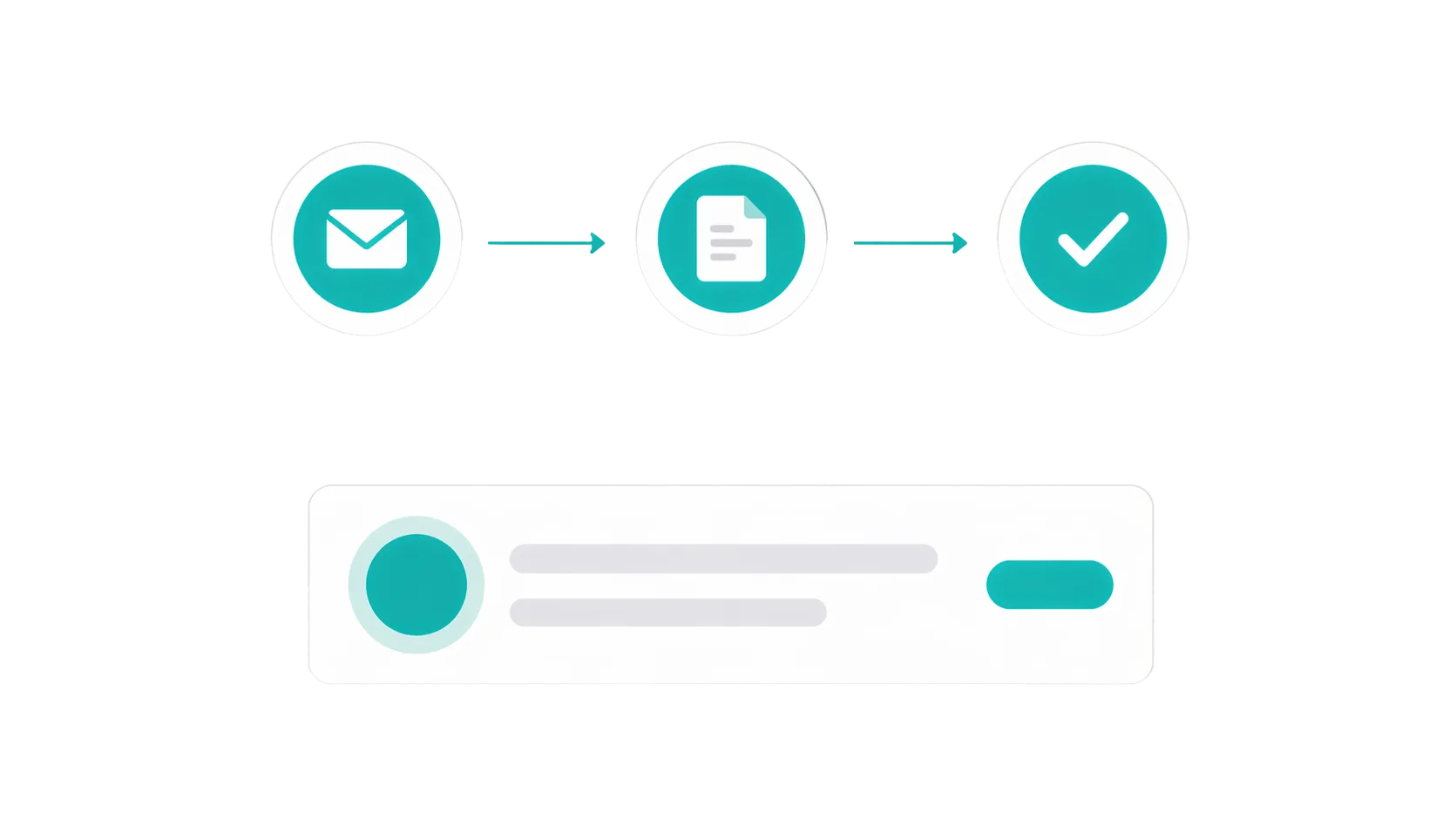
Invite. Screen. Decide.
The screening flow is built to feel like a normal application, not a legal gauntlet. Invite an applicant from Shuk, they complete consent and verification on their own, and the report lands in your queue.
One invite
Send a screening invitation from inside Shuk. Applicants enter the invitation code in Shuk to start their application.
You set the criteria
Set pass criteria like minimum credit score and rent-to-income ratio up front. Shuk never auto-approves or auto-denies, so the final decision is always yours.
Attached to the applicant profile
The report comes back alongside the documents you requested from the applicant, so every decision is backed by a file.
- 4 basic reports Credit, criminal, evictions, judgments
- Applicant-paid Every report
- You decide No auto-rejection
- As low as $2 Per unit / month
How Shuk compares on tenant screening
A side-by-side look at what the big platforms charge for the same basics Shuk includes for as low as $2 per unit.
| Feature | Shuk | AppFolio | RentRedi | TurboTenant |
|---|---|---|---|---|
| Credit report | Included | Yes | Yes | Yes |
| Criminal background | Included | Yes | Yes | Yes |
| Eviction history | Included | Yes | Yes | Yes |
| Rental history | Included | Limited | Limited | Limited |
| Applicant-paid option | Always applicant-paid | Yes | Yes | Yes |
| Auto-approve / auto-deny | Never (you decide) | Optional | No | No |
| Report attached to applicant profile | Included | Yes | Yes | Basic |
| Flat per-unit pricing | As low as $2 / unit / mo | Tiered + min fee | Flat | Flat (paid plan) |
What Landlords & Renters are saying...


"Shuk Rentals has helped me receive tenant payments faster than competing platforms. The built-in service provider feature also gives landlords access to reliable, high-quality professionals, making maintenance and repairs easier and more efficient."
-
Dan M.

"Shuk allowed me to secure trustworthy tenants more than 60 days prior to lease end date. Tenants searched for my property based on lease dates. For a small property owner, any vacancy is a huge hit, so this feature gave me incredible peace of mind."
-
David B.

"Recently started using Shuk and it makes my experience as a renter so smooth and easy! Easy to get set up and super convenient to have access to everything in one place."
-
Amanda S.

"I love the lease renewal indicator tool. That is super cool."
-
Lori G.

"The Lease Indication Tool is a standout-it helps me predict which tenants are likely to renew, so I can plan ahead, avoid vacancies, and keep providing great places to live. It's smart, intuitive, and makes property management easier and more rewarding than ever!"
-
Leule A.
Everything You Need to Manage Rentals in One Place
Rent collection, screening, leasing, maintenance, financials, and more.
Frequently Asked Questions
Find answers to common questions about rental screening on Shuk
What should a landlord do if a screening report contains an error?
What documents should a landlord require from every applicant?
What is the most important step in tenant screening for landlords?
How does fair housing law affect tenant screening criteria?
How long should the tenant screening process take?