

Know who's staying before they decide.
LIT is Shuk's renewal polling tool. At 6, 5, 4, and 3 months before a lease ends, tenants rate their renewal intent on a five-point scale. You see doubt early - before it becomes a 30-day notice - and you have months to act, not weeks.

Four polls, one signal
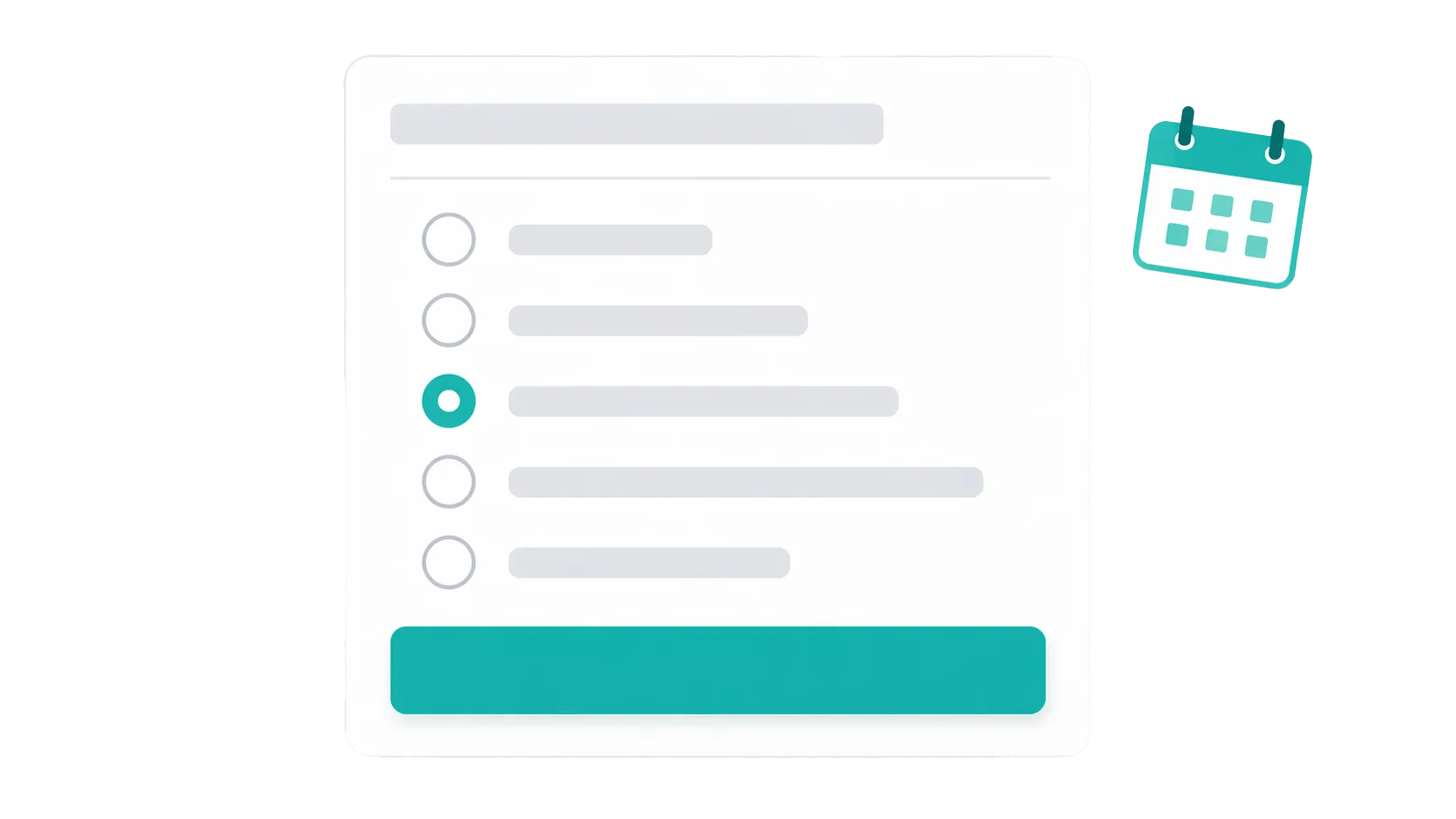
Tenants respond at 6, 5, 4, and 3 months before lease end. Each response is a quick five-point pick: Very Likely, Likely, Not Sure, Unlikely, Very Unlikely.
02
Doubt, visible early
Every response is tracked, so a 'Not Sure' or 'Unlikely' stands out early. You see the tenants you should be talking to - and the conversations worth having - months ahead of time.
03
Act before it's a vacancy
With months of lead time, you can have a real renewal conversation, start marketing the unit, or both. You stop flying blind into the renewal window.
Foresight
Your early-warning system for renewals
Most landlords don't know whether a tenant is renewing until the 60-day notice window. By then, it's already a vacancy conversation - not a retention conversation. LIT flips the timeline.
Starts 6 months out
The first poll goes out 6 months before the lease ends. Then again at 5, 4, and 3 months. Every response is tracked so you can see how sentiment moves over time.
Five-point scale, not free-text
Very Likely, Likely, Not Sure, Unlikely, Very Unlikely. Tenants can answer in seconds, and the signal is consistent across every response.
Early data signals matter
Early data shows every tenant who signaled doubt - 'Not Sure,' 'Unlikely,' or 'Very Unlikely' - ended up leaving. That's a qualitative pattern worth paying attention to, not a statistical guarantee.

Advantage
Why landlords rely on LIT
When you know how tenants feel months in advance, you stop reacting and start planning. LIT turns the renewal window from a scramble into a strategy.
Proactive decision-making
With four data points spread over six months, you see trends forming - not just final answers. A tenant who shifts from 'Likely' to 'Not Sure' between months 5 and 4 is telling you something. You can act on that signal while there's still time to have a real conversation.
Smarter pricing and positioning
Knowing renewal intent early lets you price renewals with confidence and start marketing units sooner when turnover looks likely. Less guessing means fewer vacant days and better-informed rent decisions.
Peace of mind across your portfolio
Instead of wondering which leases are at risk, you have a clear view. LIT gives you a structured read on every tenant approaching lease end - so nothing sneaks up on you at 30 days.
- 6, 5, 4, 3 Months before lease end
- 5-point Intent scale
- Early signal Vs. 30-day notice
- Monthly Tenant polling
How Shuk compares on lease indicators
A side-by-side look at what the big platforms charge for the same basics Shuk includes for as low as $2 per unit.
| Feature | Shuk | AppFolio | RentRedi | TurboTenant |
|---|---|---|---|---|
| Renewal intent polling | 4 polls (6, 5, 4, 3 months) | No | No | No |
| Structured 5-point scale | Included | N/A | N/A | N/A |
| Early doubt detection | Months before lease end | No | No | No |
| Sentiment trend over time | Tracked per tenant | No | No | No |
| Connected to lease management | Via Account & Lease | N/A | N/A | N/A |
| Proactive renewal planning | Months of lead time | No | No | No |
| Flat per-unit pricing | As low as $2 / unit / mo | Tiered + min fee | Flat | Flat (paid plan) |
What Landlords & Renters are saying...


"Shuk Rentals has helped me receive tenant payments faster than competing platforms. The built-in service provider feature also gives landlords access to reliable, high-quality professionals, making maintenance and repairs easier and more efficient."
-
Dan M.

"Shuk allowed me to secure trustworthy tenants more than 60 days prior to lease end date. Tenants searched for my property based on lease dates. For a small property owner, any vacancy is a huge hit, so this feature gave me incredible peace of mind."
-
David B.

"Recently started using Shuk and it makes my experience as a renter so smooth and easy! Easy to get set up and super convenient to have access to everything in one place."
-
Amanda S.

"I love the lease renewal indicator tool. That is super cool."
-
Lori G.

"The Lease Indication Tool is a standout-it helps me predict which tenants are likely to renew, so I can plan ahead, avoid vacancies, and keep providing great places to live. It's smart, intuitive, and makes property management easier and more rewarding than ever!"
-
Leule A.
Everything You Need to Manage Rentals in One Place
Rent collection, screening, leasing, maintenance, financials, and more.
Frequently Asked Questions
Find answers to common questions about the Lease Indication Tool on Shuk
What financing option is best for rental property beginners?
Can I see how Shuk works before committing?
How do you price a rental property in a competitive market?
How do I evaluate a rental property quickly without missing red flags?
What does Shuk cost?