Property Management Software

Lease Management Software for Landlords: Stop Losing Track of Renewals, Expirations, and Clauses

photo of Miles Lerner, Blog Post Author
Miles Lerner

The Hidden Cost of Losing Track

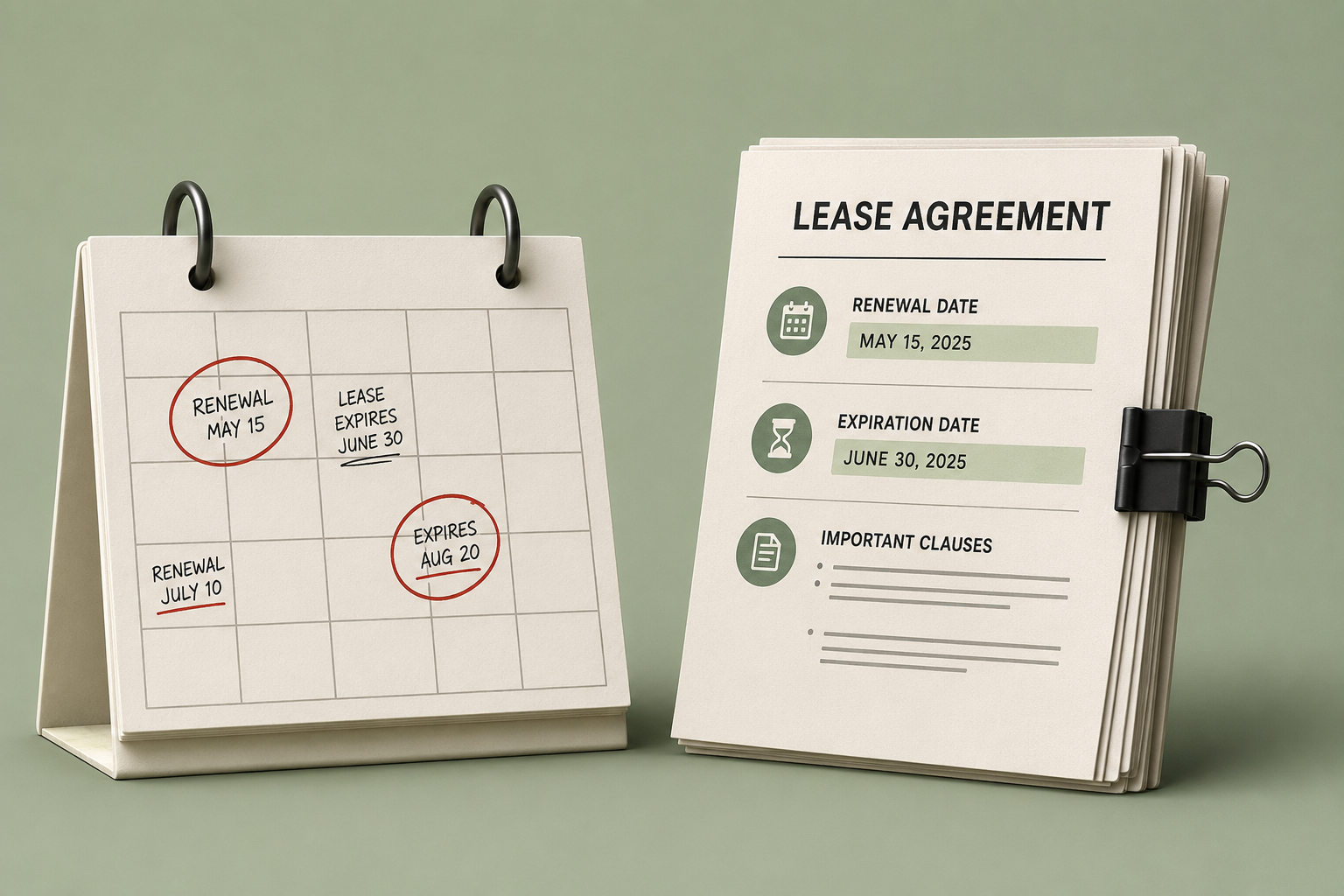
If you are managing 10 to 200 units, you already know the pattern: one spreadsheet tab per property, a folder of PDFs, a few paper leases in a drawer, and reminders living in your head. It works until it does not. A renewal date slips. A notice window closes. A clause gets missed. Suddenly you are facing an avoidable vacancy, an awkward tenant conversation, or a legal mess that starts with one simple truth: you did not have a system.

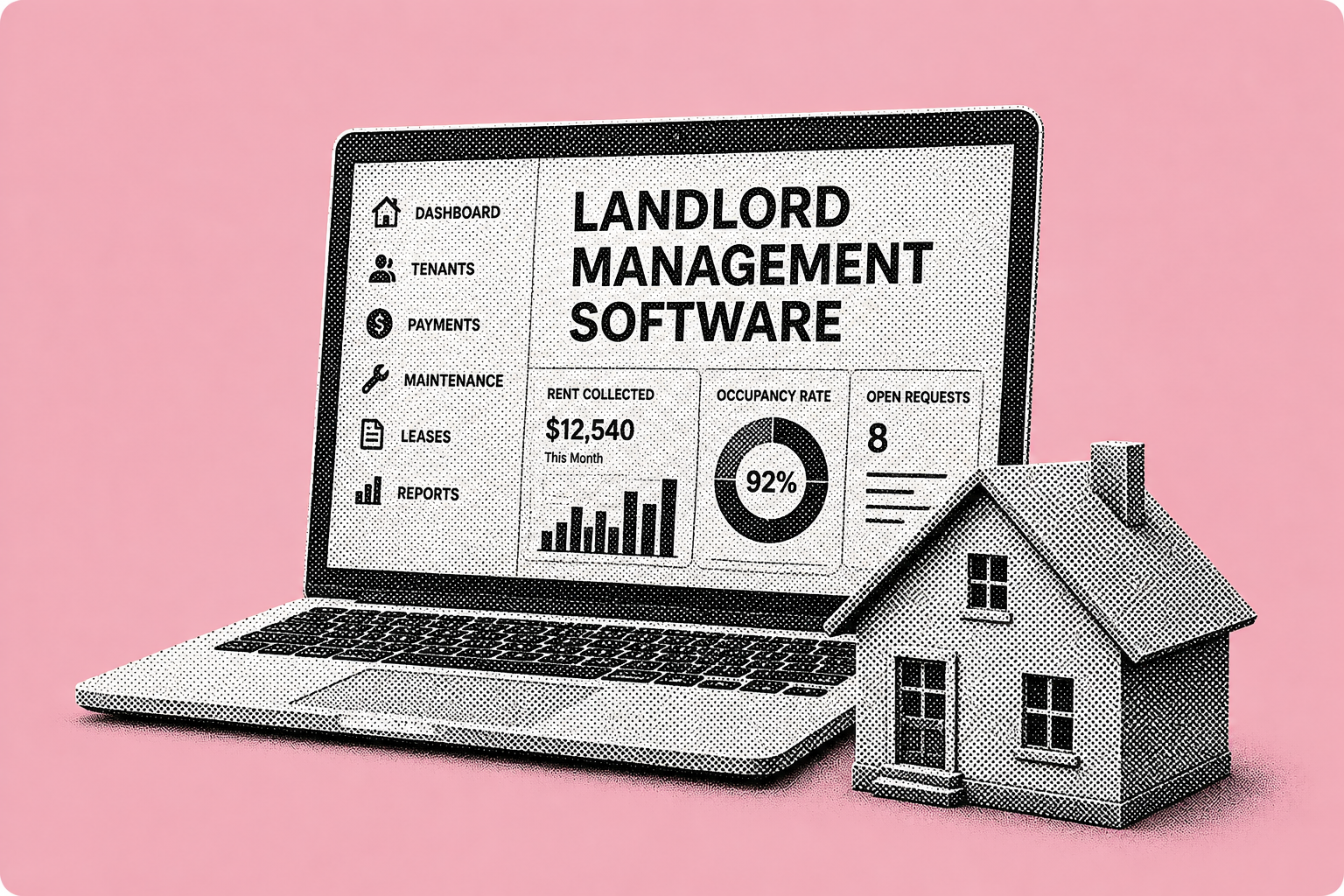
That is exactly what lease management software is built to prevent. Not by "digitizing paperwork," but by giving you a reliable workflow: one source of truth, automated timing, and documented actions.

Note: This article provides general education about lease management software, not legal advice. Notice requirements, renewal timelines, and holdover rules vary by state and municipality.

The Real Cost: Vacancy, Legal Exposure, and Tenant Friction

Start with vacancy math. In June 2026, national median rent was reported around $1,385. If your unit rents for $2,500/month, one empty month is over $80 per day in lost rent. That is before you add marketing, cleaning, repairs, or your time.

Industry estimates put average tenant turnover costs around $2,500 per unit. A missed renewal can stack up to: lost rent ($2,500 for one month vacant) plus turnover cost ($2,500) equals $5,000 for one unit. Multiply that by two preventable misses in a year and you are looking at $10,000, more than many landlords spend on tools across their whole portfolio.

Legal risk can be worse. If a lease expires and your next steps are not documented, or you mishandle notice, holdover situations can escalate. In some jurisdictions, statutes allow landlords to pursue double rent for unlawful holdover (for example, New Jersey's double rent law), and Florida statutes can allow up to 200% in certain holdover circumstances.

What Lease Management Software Actually Does

Good lease management software combines five practical functions: centralized cloud storage for leases, addenda, notices, and key communications. Automated reminders tied to lease dates (expiration, notice windows, rent changes, inspections). Renewal workflows that move a lease from "upcoming expiration" to "tenant intent captured" to "offer sent" to "signed." Digital signature support so renewals do not stall. Audit trail showing who sent what, when, and what the tenant acknowledged.

Must-Have Feature Checklist

Mobile access. Multi-property dashboard. Customizable alerts (30/60/90+ day reminders). Renewal tracking status (intent requested, intent received, offer sent, signed). E-signature integration (or built-in e-signing). Role permissions. Data export (CSV/PDF). Tenant-facing portal or messaging. Document templates (renewal letters, non-renewal notices, rent change notices).

Make sure the software makes it easy to store and search clauses, not just upload a PDF. When you are juggling parking addenda, pet terms, utilities, and special concessions, fast retrieval prevents both revenue leakage and inconsistent enforcement.

Spotlight: Shuk's Lease Indication Tool (LIT)

Most landlords lose renewals for one simple reason: you start too late. Shuk's Lease Indication Tool (LIT) provides early renewal intelligence starting six months before lease end, polling tenants about renewal intentions and feeding that directly into the renewal workflow.

Practical example. Maria manages 16 units in two small buildings. In her spreadsheet system, she used to notice expirations about 45 days out, often after her local notice window had effectively started. With LIT polling early, she learns that two tenants are "unsure" and one plans to move. That gives her time to address maintenance/parking concerns for the "unsure" tenants, prepare a renewal offer without rushing, and start marketing the moving unit sooner to reduce downtime.

Instead of reacting to vacancies, you are forecasting them and acting while you still have leverage.

From Spreadsheet to Software in 30 Days

Days 1 to 3: Build your import file. Unit address, tenant names, lease start/end, rent amount, deposit, notice period, special clauses, document links.

Days 4 to 10: Clean and tag. Standardize date formats, confirm expiration dates against signed lease PDFs, tag by property and lease type.

Days 11 to 15: Configure alerts and rules. Set alert logic around typical notice periods (30/60/90-day timelines depending on jurisdiction). Use multiple reminders: 90 days (intent), 60 days (offer), 30 days (signature deadline).

Days 16 to 20: Upload documents plus permissions. Attach signed leases and addenda, set role permissions.

Days 21 to 25: Onboard tenants. Tell tenants what will change: "You will get a renewal intent prompt around 90 days before expiration."

Days 26 to 30: Run your first renewal cycle (pilot). Pick the next 5 to 10 expirations and run them end-to-end inside the system.

Frequently Asked Questions

How much does a missed renewal actually cost?

At $2,500/month rent, one vacant month is over $80/day in lost rent. Add turnover costs (often estimated around $2,500 per unit), and a single preventable miss can cost $5,000. Two misses in a year can exceed $10,000.

Do I need lease management software if I only have a few properties?

Even with a small portfolio, missed notice windows and expired leases create the same vacancy and legal risks. The question is not portfolio size but whether your current system reliably prevents missed dates.

What is the difference between lease management software and a CRM?

A CRM tracks prospects and communication. Lease management software tracks the full lease lifecycle: signed documents, clause details, expiration dates, notice windows, renewal workflows, and audit trails. Some platforms combine both.

What to Do Next

Shuk's Lease Indication Tool (LIT) provides early renewal intelligence starting six months before lease end, so you know which leases are approaching decision points well before notice windows open. E-signature through our Adobe-powered integration handles renewals and addenda. Document storage keeps signed leases, notices, and communication records organized per unit. Centralized in-app messaging with email and push notifications keeps renewal conversations time-stamped. And White Glove Onboarding is included at no additional cost so your migration from spreadsheets does not stall.

At $5 per unit per month with no setup fees, Shuk makes lease lifecycle management feasible for landlords running 1 to 100 units.

Book a demo at shukrentals.com/book-a-demo to see how LIT, e-signature, document storage, and messaging work together so your renewals run as a system.

QUICK VIEW
Stop Reacting to Vacancies. Start Seeing Them Coming.

Shuk helps landlords and property managers get ahead of vacancies, improve renewal visibility, and bring more predictability to every lease cycle.

Book a free 20-min demo to see Shuk today.

Stay in the Shuk Loop

The Hidden Cost of Losing Track

If you are managing 10 to 200 units, you already know the pattern: one spreadsheet tab per property, a folder of PDFs, a few paper leases in a drawer, and reminders living in your head. It works until it does not. A renewal date slips. A notice window closes. A clause gets missed. Suddenly you are facing an avoidable vacancy, an awkward tenant conversation, or a legal mess that starts with one simple truth: you did not have a system.

That is exactly what lease management software is built to prevent. Not by "digitizing paperwork," but by giving you a reliable workflow: one source of truth, automated timing, and documented actions.

Note: This article provides general education about lease management software, not legal advice. Notice requirements, renewal timelines, and holdover rules vary by state and municipality.

The Real Cost: Vacancy, Legal Exposure, and Tenant Friction

Start with vacancy math. In June 2026, national median rent was reported around $1,385. If your unit rents for $2,500/month, one empty month is over $80 per day in lost rent. That is before you add marketing, cleaning, repairs, or your time.

Industry estimates put average tenant turnover costs around $2,500 per unit. A missed renewal can stack up to: lost rent ($2,500 for one month vacant) plus turnover cost ($2,500) equals $5,000 for one unit. Multiply that by two preventable misses in a year and you are looking at $10,000, more than many landlords spend on tools across their whole portfolio.

Legal risk can be worse. If a lease expires and your next steps are not documented, or you mishandle notice, holdover situations can escalate. In some jurisdictions, statutes allow landlords to pursue double rent for unlawful holdover (for example, New Jersey's double rent law), and Florida statutes can allow up to 200% in certain holdover circumstances.

What Lease Management Software Actually Does

Good lease management software combines five practical functions: centralized cloud storage for leases, addenda, notices, and key communications. Automated reminders tied to lease dates (expiration, notice windows, rent changes, inspections). Renewal workflows that move a lease from "upcoming expiration" to "tenant intent captured" to "offer sent" to "signed." Digital signature support so renewals do not stall. Audit trail showing who sent what, when, and what the tenant acknowledged.

Must-Have Feature Checklist

Mobile access. Multi-property dashboard. Customizable alerts (30/60/90+ day reminders). Renewal tracking status (intent requested, intent received, offer sent, signed). E-signature integration (or built-in e-signing). Role permissions. Data export (CSV/PDF). Tenant-facing portal or messaging. Document templates (renewal letters, non-renewal notices, rent change notices).

Make sure the software makes it easy to store and search clauses, not just upload a PDF. When you are juggling parking addenda, pet terms, utilities, and special concessions, fast retrieval prevents both revenue leakage and inconsistent enforcement.

Spotlight: Shuk's Lease Indication Tool (LIT)

Most landlords lose renewals for one simple reason: you start too late. Shuk's Lease Indication Tool (LIT) provides early renewal intelligence starting six months before lease end, polling tenants about renewal intentions and feeding that directly into the renewal workflow.

Practical example. Maria manages 16 units in two small buildings. In her spreadsheet system, she used to notice expirations about 45 days out, often after her local notice window had effectively started. With LIT polling early, she learns that two tenants are "unsure" and one plans to move. That gives her time to address maintenance/parking concerns for the "unsure" tenants, prepare a renewal offer without rushing, and start marketing the moving unit sooner to reduce downtime.

Instead of reacting to vacancies, you are forecasting them and acting while you still have leverage.

From Spreadsheet to Software in 30 Days

Days 1 to 3: Build your import file. Unit address, tenant names, lease start/end, rent amount, deposit, notice period, special clauses, document links.

Days 4 to 10: Clean and tag. Standardize date formats, confirm expiration dates against signed lease PDFs, tag by property and lease type.

Days 11 to 15: Configure alerts and rules. Set alert logic around typical notice periods (30/60/90-day timelines depending on jurisdiction). Use multiple reminders: 90 days (intent), 60 days (offer), 30 days (signature deadline).

Days 16 to 20: Upload documents plus permissions. Attach signed leases and addenda, set role permissions.

Days 21 to 25: Onboard tenants. Tell tenants what will change: "You will get a renewal intent prompt around 90 days before expiration."

Days 26 to 30: Run your first renewal cycle (pilot). Pick the next 5 to 10 expirations and run them end-to-end inside the system.

Frequently Asked Questions

How much does a missed renewal actually cost?

At $2,500/month rent, one vacant month is over $80/day in lost rent. Add turnover costs (often estimated around $2,500 per unit), and a single preventable miss can cost $5,000. Two misses in a year can exceed $10,000.

Do I need lease management software if I only have a few properties?

Even with a small portfolio, missed notice windows and expired leases create the same vacancy and legal risks. The question is not portfolio size but whether your current system reliably prevents missed dates.

What is the difference between lease management software and a CRM?

A CRM tracks prospects and communication. Lease management software tracks the full lease lifecycle: signed documents, clause details, expiration dates, notice windows, renewal workflows, and audit trails. Some platforms combine both.

What to Do Next

Shuk's Lease Indication Tool (LIT) provides early renewal intelligence starting six months before lease end, so you know which leases are approaching decision points well before notice windows open. E-signature through our Adobe-powered integration handles renewals and addenda. Document storage keeps signed leases, notices, and communication records organized per unit. Centralized in-app messaging with email and push notifications keeps renewal conversations time-stamped. And White Glove Onboarding is included at no additional cost so your migration from spreadsheets does not stall.

At $5 per unit per month with no setup fees, Shuk makes lease lifecycle management feasible for landlords running 1 to 100 units.

Book a demo at shukrentals.com/book-a-demo to see how LIT, e-signature, document storage, and messaging work together so your renewals run as a system.

{

  "@context": "https://schema.org",

  "@type": "FAQPage",

  "mainEntity": [

    {

      "@type": "Question",

      "name": "How much does a missed lease renewal actually cost?",

      "acceptedAnswer": {

        "@type": "Answer",

        "text": "At $2,500 per month rent one vacant month is over $80 per day in lost rent. Add turnover costs often estimated around $2,500 per unit and a single preventable miss can cost $5,000. Two misses in a year can exceed $10,000."

      }

    },

    {

      "@type": "Question",

      "name": "Do I need lease management software if I only have a few properties?",

      "acceptedAnswer": {

        "@type": "Answer",

        "text": "Even with a small portfolio missed notice windows and expired leases create the same vacancy and legal risks. The question is not portfolio size but whether your current system reliably prevents missed dates."

      }

    },

    {

      "@type": "Question",

      "name": "What is the difference between lease management software and a CRM?",

      "acceptedAnswer": {

        "@type": "Answer",

        "text": "A CRM tracks prospects and communication. Lease management software tracks the full lease lifecycle including signed documents, clause details, expiration dates, notice windows, renewal workflows, and audit trails. Some platforms combine both."

      }

    }

  ]

}

Stop Reacting to Vacancies. Start Seeing Them Coming.

Shuk helps landlords and property managers get ahead of vacancies, improve renewal visibility, and bring more predictability to every lease cycle.

Book a demo to get started with a free trial.

Stay in the Shuk Loop

View Similar Articles

View Similar Articles

All Articles
Property Management Software
Rental Property Management Software Features

Rental Property Management Software Features

A Practical Guide for Landlords and Property Managers

Late rent. Lost emails. A spreadsheet system that works—until it doesn’t.

For many landlords and property managers, operational problems rarely come from a single major failure. Instead, they build up through small, repetitive tasks: tracking payments, sending reminders, storing lease documents, coordinating repairs, and answering the same tenant questions repeatedly. When these tasks are spread across spreadsheets, inboxes, paper folders, and text messages, small mistakes become costly—missed late fees, unclear audit trails, delayed maintenance, and frustrated tenants.

This article is part of our complete property management software guide for independent landlords.

Rental property management software replaces this fragmented approach with a centralized, cloud-based system. This guide explains the most important rental property management software features, how they work in real-world scenarios, and how they help landlords regain control over daily operations.

What All-in-One Rental Property Management Software Solves

Modern property management software functions as an operating system for rental properties. Instead of treating rent collection, leases, maintenance, and reporting as separate tasks, an all-in-one platform connects them into a single workflow.

This matters because rental operations are interconnected:

  • Late rent triggers reminders, ledger updates, and reports

  • Lease renewals require notices, updated terms, and billing changes

  • Maintenance requests involve triage, vendors, updates, and documentation

When these actions live in one system, landlords spend less time coordinating tasks and more time making informed decisions.

If you're evaluating different tools, our comparison of the best rental property management software in the USA explains how leading platforms differ in pricing and functionality.

Essential Rental Property Management Software Features and How They Work

Online Rent Collection, Autopay, and Payment Tracking

Rent collection is the most frequent and time-sensitive task in property management. Software allows tenants to pay rent online through secure digital methods and supports autopay, reminders, and automatic ledger updates.

Key benefits include:

  • Fewer late payments

  • Faster deposits

  • Clear payment records and receipts

  • Reduced manual reconciliation

Automated rent collection turns rent day from a manual process into a quick review.

Most modern platforms also include rent collection software that allows tenants to pay online and set up automatic rent payments.

Centralized Tenant Management and Resident Portals

Tenant management features centralize all tenant-related information into one profile, including contact details, payment history, documents, and communication logs.

Resident portals help landlords by:

  • Reducing repetitive questions

  • Centralizing messages and requests

  • Providing tenants with self-service access

This improves organization, professionalism, and response times.

Lease Tracking, Renewals, and Document Control

Lease tracking features monitor lease start and end dates, renewal windows, and rent escalation schedules. Digital document storage ensures all signed leases and addenda are easily accessible.

Dedicated lease management software helps landlords track renewal timelines, digital agreements, and tenant documentation without spreadsheets.

Why this matters:

  • Prevents missed renewals or rent increases

  • Reduces vacancy risk

  • Eliminates paper document loss

Automated reminders ensure nothing falls through the cracks.

Maintenance Requests, Work Orders, and Vendor Coordination

Maintenance management features allow tenants to submit requests online, often with photos or videos. Landlords can prioritize issues, assign vendors, and track completion status.

Maintenance software helps by:

  • Improving response times

  • Creating a clear repair history

  • Reducing repeat vendor visits

Preventive maintenance scheduling further protects property value and reduces emergency repairs.

Financial Reporting and Accounting Support

Financial reporting features turn daily transactions into actionable insights. Rental software automatically tracks income and expenses and generates standardized reports.

Typical reports include:

  • Rent rolls and delinquency summaries

  • Cash flow and income statements

  • Expense breakdowns by property or unit

This simplifies bookkeeping and improves financial visibility.

Communication Tools and Documented Timelines

Centralized communication tools store all tenant interactions in one place. Messages, notices, and announcements are tied to specific tenants and units.

Benefits include:

  • Clear communication history

  • Reduced disputes

  • Faster issue resolution

Templates for common notices further save time and ensure consistency.

Cloud Access, Mobile Use, and Security Controls

Cloud-based access allows landlords to manage properties from anywhere. Mobile-friendly dashboards make it possible to approve repairs, respond to tenants, or review payments on the go.

Important features include:

  • Role-based permissions

  • Secure cloud access

  • Mobile-responsive interfaces

These features reduce delays and improve operational flexibility.

Who Should Use Rental Property Management Software?

Rental property management software is ideal for:

  • Independent landlords

  • Property Managers

  • Owners managing 1–50 units

  • Landlords moving away from spreadsheets

If your current system relies on memory or scattered tools, software provides immediate operational benefits.

Many independent landlords managing smaller portfolios prefer platforms designed specifically as property management software for small landlords because they require less setup and lower monthly costs.

Frequently Asked Questions (FAQs)

What are the most important rental property management software features?

The most important features include online rent collection, tenant management, lease tracking, maintenance management, financial reporting, and centralized communication.

Do small landlords really need property management software?

Yes. Even small portfolios benefit from automation, better organization, and reduced administrative workload.

Can tenants easily use rental management software?

Most tenants prefer digital tools for payments, communication, and maintenance requests, making adoption smooth.

Does rental software help reduce late payments?

Yes. Automated reminders and autopay significantly improve on-time payment rates.

Is rental property management software scalable?

Yes. Most platforms allow landlords to add units without changing workflows, making growth easier to manage.

Final Note

Rental property management software features are designed to reduce manual work, improve accuracy, and bring consistency to rental operations. When rent collection, leases, maintenance, communication, and reporting live in one system, landlords gain better control and clearer visibility across their portfolio.

Platforms like Shuk Rentals support landlords and property managers by bringing these core rental management features into a single, cloud-based workflow—helping rental operations run more smoothly without relying on disconnected tools.

Compliance and Legal
Pet Policy for Rental Properties: How to Set Rules That Protect You

Pet Policy for Rental Properties: How to Set Rules That Protect You

Set Clear Pet Rules to Reduce Vacancy Risk and Protect Your Property

A clear pet policy for rental properties can reduce vacancy risk and attract more applicants, or it can expose you to costly damage and liability. Most U.S. households have pets, and pet-friendly listings often command higher rents and longer tenancies. But pets introduce real risks: property damage, nuisance complaints, and liability exposure. Dog-bite claims alone average near $69,000, according to Insurance Information Institute reporting.

Note: This article provides general education about rental pet policies and assistance animal obligations, not legal advice. Fair Housing Act requirements, HUD assistance animal guidance, ADA service animal rules, state security deposit laws, and local breed restrictions vary by jurisdiction. Before setting pet policies or responding to accommodation requests, confirm your obligations under applicable law.

This guide shows you how to decide whether to allow pets and how to write a landlord pet policy that reduces risk while staying compliant with Fair Housing rules on service and assistance animals, per HUD's FHEO-2020-01 guidance.

What a Strong Pet Policy Does and What It Must Avoid

A strong pet policy does two things: (1) it sets unmistakably clear expectations for tenants, and (2) it gives you practical, legally defensible tools to enforce those expectations. Keep your pet rules in a dedicated pet addendum referenced by the lease, so you can be specific about species, size, behavior standards, cleaning requirements, and inspections without cluttering the main lease.

Your policy must clearly separate pets (optional, subject to fees and restrictions) from assistance animals (requested as a reasonable accommodation for a disability under the Fair Housing Act). Under the FHA, housing providers must make reasonable accommodations in rules when necessary for equal use and enjoyment of the dwelling (42 U.S.C. 3604(f)(3)(B)). HUD's FHEO-2020-01 guidance explains how to evaluate requests, what documentation may be appropriate, and when fees are not allowed.

The workflow: decide whether to allow pets; set deposits, fees, and rent; write enforceable rules; screen and verify; inspect and document move-out damage; and enforce a "no pets" lease without violating Fair Housing protections.

Step-by-Step: How to Build a Pet Policy That Reduces Risk

1. Decide Whether "Pet-Friendly" Fits Your Property

Start with a business decision. Demand is high: pet ownership is widespread, and renter preference surveys consistently show pets heavily influence housing choice, per National Apartment Association reporting. Revenue upside is real: pet-friendly units may command higher rents and improve retention, reducing turnover costs.

Weigh that against: property damage (studies cited by pet-housing advocates often show average pet damage is modest, commonly around a couple hundred dollars annually, though some tenants cause meaningful damage), liability exposure (dog-bite claims are expensive and rising, per Insurance Information Institute), and building constraints (carpets, shared hallways, small yards, or strict HOA rules may push you toward tighter rules or "cats only").

Concrete example. A second-floor, carpeted unit might allow one cat with strict litter-box and odor rules. A single-family home with a fenced yard might allow one dog under 50 lbs plus a renters-insurance requirement.

2. Define What Is Allowed

Your landlord pet policy should be specific enough to enforce, but not so complex that it becomes inconsistent.

Common levers: Species (dogs/cats only; exclude reptiles, rodents, birds, farm animals, or aquariums over a set gallon size). Number of pets (typically 1 to 2). Size/weight (for example, 40 to 60 lb limit; note that some local laws restrict pet limits). Breed restrictions (many landlords use them for insurance reasons, but be careful: HUD emphasizes that assistance animal requests must be evaluated individually and not denied due to breed/size alone if the animal is needed as an accommodation, per FHEO-2020-01 and HUDExchange FAQ guidance).

Write behavior-based rules: no aggression, excessive barking, or repeated complaints; pets must be leashed in common areas; waste must be picked up immediately. Require vaccination/licensing per local law and proof of spay/neuter if you choose (where permitted).

Example clause. "Approval is conditional on the pet not posing a direct threat or causing substantial property damage; repeated verified complaints are grounds for removal."

3. Set Fair, Legal Pet Charges

Use pet charges to align incentives and fund risk, not to punish tenants.

Pet deposit (typically refundable). Held to cover pet-related damage beyond ordinary wear and tear; subject to your state's security-deposit rules (limits, interest, return deadlines).

Pet fee (typically non-refundable). Often used as an administrative charge (for example, cleaning/flea treatment). Be careful with terminology: some states treat "fees" like deposits if they function as damage security.

Pet rent (monthly). A predictable amount to offset increased wear, filters, deodorizing, and common-area cleaning.

Practical ranges (use as a starting point, then validate locally): Pet deposit: $200 to $500 per pet. Non-refundable pet fee: $150 to $350. Pet rent: $25 to $60/month per pet.

Critical compliance point. Do not charge pet deposits, pet fees, or pet rent for a service animal or other assistance animal approved as a reasonable accommodation under the FHA, per HUD FHEO-2020-01. You can still charge the tenant for actual damage the animal causes if you charge any tenant for damage they cause.

4. Put It in Writing: The Pet Addendum

Your lease should say "no pets allowed without written approval," then point to a pet addendum that includes:

Identifying details: Pet name, species, breed (if applicable), color, weight, age, photo.

Approved areas: Where the pet may be (and may not be), rules for balconies/yards/common areas.

Noise/odor/sanitation: Waste disposal, litter requirements, flea control, odor remediation.

Damage and liability: Tenant responsible for all pet-related damage and pest treatment; tenant indemnifies landlord (consistent with state law).

Insurance requirement: Renters insurance with liability coverage (confirm your insurer's requirements; dog-related injuries are a key driver of claims, per Insurance Information Institute).

Inspections and remedies: Right to inspect with proper notice; cure periods; removal of pet for repeated violations; fees for unauthorized pets (where permitted).

Concrete example. Add a "three strikes" structure: two written warnings for verified waste/noise violations, then mandatory removal or lease enforcement on the third.

5. Screen Pets Consistently and Document Decisions

Pet screening is risk management, and it supports Fair Housing compliance by keeping decisions consistent.

Best practices (keep it uniform for every applicant with a pet):

Collect a pet application: Vet records, vaccination proof, microchip, references (prior landlord if possible). Ask for behavior evidence: Training certificates, day-care evaluation, or neutral third-party attestations (optional). Do a meet-and-greet: Observe leash behavior, jumping, barking, reactivity.

Documentation. HUD encourages an "interactive process" and reliable documentation when disability/need is not obvious for assistance animal requests, with prompt decisions (HUD guidance often references timelines around 10 days as a best practice), per FHEO-2020-01 and HUD/DOJ Joint Statement (2004).

6. Understand the Legal Line: Pets vs. Service Animals vs. Emotional Support Animals

This is where many landlords get into trouble.

ADA service animals (public access rules) are typically dogs (and sometimes miniature horses) trained to perform tasks for a person with a disability.

FHA assistance animals include service animals and "other assistance animals" (which can include emotional support animals). HUD notes they may be different species and may not require specialized training, but must provide disability-related assistance or support, per FHEO-2020-01.

Key rules to follow:

Requests can be oral or written; treat them seriously and respond promptly, per FHEO-2020-01.

If disability/need is not obvious, you may request reliable documentation from a healthcare professional. HUD warns against overreaching demands and notes that "internet certificates" with no therapeutic relationship may be unreliable (evaluate case-by-case), per FHEO-2020-01.

You generally cannot deny based on breed/size policies alone; you must do an individualized assessment. Denial is typically limited to direct threat or substantial property damage that cannot be reduced by another reasonable accommodation, per FHEO-2020-01 and HUDExchange FAQ.

HUD/DOJ enforcement actions show real monetary consequences for mishandling ESA requests. DOJ has pursued cases like United States v. Carl Torkelson where landlords faced penalties for Fair Housing Act violations related to assistance animal denials.

7. Enforce and Inspect: Unauthorized Pets and Move-Out Damage

Enforcing a no-pet policy. If your lease is "no pets," enforce it consistently: investigate complaints (photos, timestamps, neighbor statements). Serve a written notice to cure/quit per your state process. If the tenant claims it is an assistance animal, pause enforcement and run the FHA accommodation process promptly, per FHEO-2020-01.

Move-out inspection best practices. Pet damage is easiest to recover when you can prove it: use a move-in condition report with photos/video, then repeat the same checklist at move-out. Look for pet-specific issues: urine staining (UV light helps), scratched doors/trim, chewed blinds, odor in subfloor, flea infestation, damaged screens. Document repair invoices and distinguish damage from normal wear and tear.

Concrete example. If you find urine in carpet, document with dated photos, note odor location, get a professional cleaning invoice, and if needed, document replacement of pad/subfloor sealing. This supports lawful deductions and reduces disputes.

Pet Policy Checklist

Property decision: Pets allowed? If yes, which species (dogs/cats), how many, and any size limit? Any building/insurance constraints documented (for example, HOA rules, insurer exclusions)?

Financial terms: Pet deposit amount (refundable) and when it is returned (align with state deposit law). Pet fee amount (non-refundable) and what it covers. Monthly pet rent and when it is due. Statement: no pet fees/rent/deposits for FHA assistance animals, per FHEO-2020-01.

Addendum clauses: Pet identification plus photo. Vaccination/licensing requirements. Waste/odor/noise rules plus complaint process. Damage liability plus cleaning/flea treatment obligations. Inspection rights (with legal notice) and remedies for violations.

Fair Housing workflow: Separate assistance-animal request form plus documentation log, per FHEO-2020-01.

[Template download placeholder: Miles will need to create and host the Pet Addendum Starter Template asset on Shuk.]

Frequently Asked Questions

Can I refuse certain dog breeds in my pet policy?

For pets, many landlords set breed restrictions due to insurance and risk. For assistance animals, HUD emphasizes an individualized assessment; a breed/size rule alone is not a sufficient reason to deny an accommodation if the animal is needed because of a disability, per FHEO-2020-01 and HUDExchange FAQ.

Can I charge pet rent or a pet deposit for a service animal or emotional support animal?

No. HUD's FHA guidance is clear: you generally cannot charge pet fees, pet rent, or pet deposits for an assistance animal approved as a reasonable accommodation, per FHEO-2020-01. You may still charge for actual damage caused by the animal, consistent with how you charge any tenant for damage.

What if a tenant sneaks in a pet in a "no pets" unit?

Follow your lease and state notice procedure, document evidence, and give the tenant a chance to cure. If the tenant says it is an assistance animal, shift immediately into the FHA accommodation process and respond promptly, per FHEO-2020-01.

What to Do Next

A strong pet policy is only as good as your ability to apply it consistently across applicants, renewals, inspections, and accommodation requests.

Shuk's document storage keeps pet addendums, condition reports, accommodation request documentation, and inspection records organized in one place per unit, so your pet policy decisions are retrievable and defensible. E-signature through our Adobe-powered integration handles pet addendum execution so approvals are signed, dated, and stored. Maintenance request tracking with photos, videos, documents, and notes creates a documented condition history that supports pet-damage deductions at move-out. Security deposit tracking organizes pet deposits per unit/property so you can show clean separation. Centralized in-app messaging with email and push notifications keeps accommodation request conversations, complaint timelines, and violation notices time-stamped and searchable. And if you screen the pet owner as part of the application, tenant screening through our partner (RentPrep/TransUnion) for credit, criminal, and eviction reports keeps your applicant evaluation consistent and documented.

At $5 per unit per month with no setup fees, and with White Glove Onboarding included at no additional cost, Shuk makes documented, consistent pet policy management feasible for landlords and property managers running 1 to 100 units.

Book a demo at shukrentals.com/book-a-demo to see how document storage, e-signature, maintenance tracking, and messaging work together so your pet policy is applied consistently and your accommodation decisions are defensible.

Property Management Software
The Small-Landlord Advantage: How a Centralized Messaging Hub Modernizes Tenant Communication (and Protects You)

The Small-Landlord Advantage: How a Centralized Messaging Hub Modernizes Tenant Communication (and Protects You)

The Communication Chaos Independent Landlords Know Too Well

If you self-manage 1 to 50 units, you already live this reality. Tenant communication is not one clean channel. It is a patchwork of texts on your personal phone, emails buried under vendor invoices, voicemails you meant to return, and sticky notes that seemed urgent at the time. The result is not just inconvenience. It is risk.

Miss a message about a leak and you could face a habitability complaint. Lose the thread on a payment plan and you may struggle to document what was agreed. Answer one tenant quickly but another days later and you might unintentionally create the appearance of inconsistent treatment. Exactly what fair-housing guidance warns against.

Meanwhile, renter expectations have shifted sharply toward digital convenience. Zillow's renter research shows a majority of renters prefer text messaging, while email remains a top channel. And most renters want to complete key interactions online (payments, maintenance, renewals) rather than through phone tag or paper forms. Property owners are increasingly comfortable doing business online too, which removes a major adoption barrier for small landlords who used to think "software is for big companies."

A centralized messaging hub inside property management software solves the day-to-day chaos in a straightforward way. It makes every landlord-tenant conversation professional, searchable, and tied to the right unit, without you needing to become "the IT person."

Disclaimer: This article is not legal advice. Fair Housing law, security deposit rules, habitability standards, retaliation claims, and reasonable accommodation requirements vary by state and city. Examples below (California's 21-day deposit deadline, Missouri's 30-day framework) are illustrative, not a complete or current statement of the law where you operate. Before relying on a documentation or communication strategy in a real dispute, consult a qualified local attorney.

What a Centralized Messaging Hub Is (and Why It Works)

A centralized messaging hub is a communication center inside your property management system where tenant messages, landlord replies, and related updates live in one place. Instead of juggling personal SMS, email inboxes, and call logs, you route communication through a single thread connected to the tenancy record.

For independent landlords, the value is not "more messages." It is fewer mistakes. The hub acts like a shared memory for your business. Capturing what was said, when it was said, and who said it. That matters for routine operations (like coordinating maintenance access) and for higher-stakes situations (like disputes over security deposits or allegations of ignored repair requests). Multiple legal aid and housing-law resources emphasize that written, time-stamped documentation and repair logs can be decisive in habitability disputes, retaliation claims, and deposit disagreements.

Here is what a well-designed hub includes

  • Message threading by unit and tenant so you do not confuse "Unit 2B's fridge issue" with "Unit 2A's fridge issue."
  • Searchable message history so you can pull up the exact date you asked for access or shared a policy.
  • Automated notifications (email and push alerts) so urgent items do not sit unseen.
  • Mobile integration so you can respond from your phone while keeping the record consistent.

The design philosophy is simple. Centralization, automation, and mobile access. Small operators need enterprise-grade organization without enterprise overhead. The goal: faster response times, cleaner documentation, and a calmer day-to-day.

6 Ways to Turn Messaging Features Into Business Benefits

Below are six practical strategies to set up and use a centralized messaging hub so it actually saves time and reduces risk, rather than becoming "one more platform."

1) Thread Every Conversation by Unit to Eliminate Cross-Wires

Feature. Message threading by unit and lease. Benefit. Fewer errors, faster handoffs, and clearer accountability.

When messages are grouped by unit, you create an automatic filing system. This is especially valuable if you manage multiple doors with similar tenant names, recurring issues, or shared vendors.

Example. A tenant texts, "The bathroom ceiling is dripping." If that lives in your personal SMS, it is easy to forget whether it was Unit 4 or Unit 14. In a unit-threaded hub, the message is automatically tied to the correct unit profile, so you can immediately see prior plumbing work, the last vendor, and whether the tenant has granted entry permissions.

What to do next. Set your default workflow so you never reply from your personal texting app. Even if a tenant reaches out that way, copy the content into the hub and respond through the hub: "Thanks, logging this and replying here so we both have the full record."

Scenario (burst-pipe emergency). At 10:47 p.m., Unit 3C reports water pooling near the water heater. Through a mobile hub, you (1) acknowledge receipt, (2) notify your plumber, and (3) send building-wide guidance if needed ("If you see water near your utility closet, shut off the local valve and message here"). The key is not that you are awake. It is that your response is documented, time-stamped, and tied to the unit, supporting a clear habitability response record if questions arise later.

2) Use Searchable History to Shorten Disputes and Speed Up Decisions

Feature. Searchable message history and attachments. Benefit. Less time reconstructing events, better outcomes in disagreements.

Security deposit disputes and repair disagreements often come down to "who said what" and "when." Many state rules impose tight deposit-return deadlines and itemization requirements. Missing them can lead to penalties and small-claims exposure. For example, California's 21-day requirement is widely summarized in court guidance, and Missouri commonly references a 30-day framework. A searchable hub helps you meet timelines because you can quickly pull photos, move-out instructions, and repair communications.

What to do

  • Standardize keywords in your responses. "NOTICE," "ACCESS," "REPAIR SCHEDULED," "MOVE-OUT," "DEPOSIT." Then searching becomes instant.
  • Attach photos and invoices directly in the thread. One conversation becomes a complete packet.

Scenario (late-rent documentation). A tenant requests a payment plan on the 3rd. You respond in the hub: "Payment plan approved. $600 by the 10th, remaining $650 by the 20th. Late fees waived if both dates are met." On the 11th, they claim you "never agreed." Instead of arguing, you search "payment plan" and forward the time-stamped agreement inside the thread. If the situation escalates, you have a clean written record showing consistency and clarity. Two themes emphasized in risk-management guidance around landlord documentation.

3) Turn Automated Notifications Into "Response-Time Insurance"

Feature. Automated notifications (email and push) and clear escalation rules. Benefit. Faster acknowledgment, fewer missed emergencies, higher tenant satisfaction.

Renter surveys consistently show that prompt communication is a major driver of satisfaction. And maintenance responsiveness is one of the biggest retention levers. Even if you cannot fix everything instantly, acknowledging quickly ("I received this. Next update by 2 p.m.") reduces tenant anxiety and prevents repeat follow-ups that waste time.

What to do

  • Create two tiers of alerts. Emergency (water intrusion, no heat, electrical hazard) vs. Standard (dripping faucet, cosmetic issues).
  • Configure after-hours rules so emergency messages trigger immediate notifications.
  • Use a template auto-reply for non-emergency after-hours messages. "Received. Office hours are 9 to 5. If this is a safety issue (active leak, no heat, electrical hazard), reply 'EMERGENCY.'"

Why this matters for small operators. You do not need a 24/7 call center to behave like you have one. Automation gives you the reliability that renters associate with professionalism, while still keeping human decisions with you.

4) Keep Communication Professional Without Becoming Always-On

Feature. Mobile integration and in-app messaging. Benefit. Boundaries, professionalism, and less burnout.

Pew Research continues to show near-universal cellphone adoption in the U.S., and mobile-first communication is the norm across age groups. Tenants will message from their phones. You should be able to respond from yours, with a consistent record of the exchange and clear boundaries on when you actually engage.

What to do

  • Set "office hours" expectations in your lease and reinforce them in the hub welcome message.
  • Use saved replies for common issues. Parking reminders, trash rules, filter-change schedules.
  • When you are away, schedule a delayed send. "I will confirm the vendor window tomorrow by 10 a.m."

Case example. A landlord with 18 units used to handle everything via personal texting. When a tenant later alleged the landlord ignored repeated requests for a repair, the landlord had partial screenshots but not the full exchange, and could not prove response timing. Switching to hub-based messaging created a consistent, exportable record. This is operational best practice based on legal and risk guidance emphasizing complete repair logs and written communication. It is not a claim of guaranteed legal outcome.

5) Build Compliance Habits Into the Workflow (Fair Housing, Repairs, Deposits)

Feature. Centralization plus consistent templates plus audit-friendly records. Benefit. Reduced legal exposure and more consistent tenant treatment.

Fair housing enforcement and guidance repeatedly emphasize the importance of consistent processes and documentation, especially when disputes involve discrimination, retaliation, or inconsistent rule enforcement. A messaging hub supports this by making "the right way" the easy way.

What to do

  • Use standardized templates for reasonable accommodation requests (acknowledgment plus next steps), repair notices (received, schedule, access), and policy reminders.
  • Avoid casual language that can be misread. Keep messages factual and policy-based.
  • Store all accommodation-related communications in one thread tied to the tenant record. HUD-related guidance around assistance animal requests, for example, underscores the need to handle such requests carefully and consistently.

Practical compliance win. When you communicate move-out instructions and deposit timelines through the hub, you can later show that every tenant received the same checklist and deadlines. Helpful if someone claims they were treated differently or not informed.

6) Use a Before-and-After Approach to Show ROI

Software only "pays off" if it changes your daily routine. The simplest way to measure ROI is to compare how long common tasks take, and how often you have to redo them due to missing context.

Communication task

Before (texts plus email plus calls)

After (centralized messaging hub)

Find last repair update for Unit 5

10 to 20 minutes searching phone and email

30 to 60 seconds in unit thread plus search

Prove you gave access notice

Screenshot hunting, incomplete trail

Time-stamped thread plus attachment

Coordinate vendor entry

Multiple calls plus tenant follow-ups

One message thread plus automated reminders

Handle after-hours non-emergency

Interruptions, no boundaries

Auto-response plus queued follow-up

What to do next. Pick three workflows to standardize first. Maintenance intake, rent and ledger conversations, and move-out and deposit communications. These are the highest-volume and highest-risk areas per common landlord-tenant dispute patterns, and they are where documentation matters most.

Your "Messaging Hub Setup" Checklist (30 Minutes to Implementation)

Use this checklist to implement a centralized messaging hub without overthinking it.

A) Channel and boundaries

  • Choose the hub as the default channel for all non-emergency communication.
  • Set office hours and emergency instructions in an auto-reply.
  • Add a lease clause (or welcome message) stating: "All requests must be submitted through the hub for tracking."

B) Threads, tags, and search

  • Confirm every unit has a unique thread (Unit 1A, 1B, and so on).
  • Create 6 to 8 standard tags or keywords: REPAIR, ACCESS, NOTICE, RENT, POLICY, MOVE-OUT, DEPOSIT, ACCOMMODATION.
  • Save 5 to 10 canned responses (maintenance received, vendor scheduled, access request, late-fee policy, deposit timeline).

C) Notifications and mobile

  • Enable push notifications for emergencies. Email digests for routine updates.
  • Add keyword triggers for "leak," "flood," "no heat," "sparking."
  • Install the mobile app and test a full loop. Tenant message, then your reply, then attachment added, then search works.

D) Recordkeeping

  • Attach photos, invoices, and vendor notes inside the same thread.
  • Export or archive message history per unit at move-out (useful for deposit disputes and repair-history questions).
  • Apply the same templates to every tenant to support consistent treatment. A fair-housing best practice.

FAQ

My tenants like texting. Will a messaging hub annoy them?

Not if you position it as a convenience and a service standard. Zillow's research shows many renters prefer text, while email remains a top preference, so flexibility matters. A hub can still feel "text-like" when it offers mobile notifications and quick replies. The practical approach: let tenants receive notifications the way they prefer (text, email, push), but keep the official record centralized. During onboarding, say: "You can message from your phone, but the system keeps everything organized so nothing gets missed."

Does centralizing messages actually help with compliance?

It helps because compliance often hinges on proof. Proof you responded, proof you gave notice, proof you applied the same process. Legal and industry guidance frequently points to written records and consistent documentation as key defenses in habitability claims, deposit disputes, and retaliation allegations. A messaging hub does not replace legal advice, but it makes good recordkeeping the default instead of a scramble. The consistency itself becomes evidence of fair treatment.

What about security deposits and move-out deadlines? How does messaging software help?

Deposit rules are deadline-driven and detail-heavy. For example, consumer-facing court guidance in California highlights a 21-day deadline and itemization expectations, and Missouri commonly references a 30-day framework. A hub helps by sending move-out instructions with a time stamp, storing photos and invoices next to the conversation, and making it easy to show you delivered required information. The operational need is the same across jurisdictions. Communicate clearly, document it, and meet the deadline.

I only have a few units. Is this overkill?

Small portfolios are where communication gets personal, and where systems matter most because you do not have staff redundancy. Industry data shows owners are increasingly comfortable conducting business online, which suggests the learning curve is no longer the barrier it used to be. If you manage even 5 to 10 units, a single missed repair message or disputed agreement can cost more (in time, stress, or concessions) than a year of software.

What to Do Next

If you are ready to modernize communication without losing the human feel, start small. Pick one building (or even one high-maintenance unit) and run all tenant messages through a centralized hub for 30 days. Turn on mobile notifications, set office-hour auto-replies, and use unit-based threading so every conversation stays attached to the right address.

This is exactly what Shuk's centralized in-app messaging is built for.

Shuk's messaging gives you a time-stamped conversation thread tied to the unit and the tenancy, with email and push notifications so urgent items reach you immediately and routine items queue cleanly. You can attach photos, videos, and documents directly to a thread, so a maintenance conversation becomes a complete case file in one place. Every exchange (the initial report, your acknowledgment, the scheduling confirmation, the completion notice, the follow-up) lives in the same searchable thread. When a tenant later claims something was not communicated, or when you need to demonstrate consistent treatment across tenants, the record is already organized.

Around messaging, the same Shuk subscription gives you the rest of the rental operating stack. Online rent collection with zero ACH transaction fees and configurable late fees applied automatically. Maintenance request tracking with photos, documents, and a complete history per property. Tenant screening through our partner. E-signature for leases through our Adobe-powered integration. Schedule E-aligned expense organization with digital receipts. Payment requests for one-off charges. Document storage. The Lease Indication Tool for predictive lease renewal insights through monthly tenant polling starting six months before lease end. Two-Way Reviews between landlords and tenants that build verifiable rental reputations. And Year-Round Marketing.

At $5 per unit per month with no setup fees, and with White Glove Onboarding included at no additional cost (where the Shuk team handles property setup, account preparation, and renter onboarding for you), Shuk makes professional, documented tenant communication feasible for landlords and property managers running 1 to 100 units. Shuk now supports third-party management with multi-user workflows and role-based access, so a property management team can run consistent communication standards across an entire portfolio.

Book a demo at shukrentals.com/book-a-demo to see how Shuk's centralized in-app messaging with email and push notifications, maintenance request tracking, online rent collection with zero ACH fees, automated late fees, document storage, payment requests, tenant screening, e-signature, Schedule E-aligned expense organization, the Lease Indication Tool, Two-Way Reviews, and Year-Round Marketing work together so tenant communication stops being a patchwork of phone, text, and email.