
A burst pipe is one of the most expensive calls a landlord can get in winter. Water runs until someone finds the shutoff, and it can soak floors, walls, the unit below and the renter's belongings in the meantime. The Insurance Institute for Business and Home Safety (IBHS) calls burst pipes the leading culprit of extreme-cold damage to homes, especially when power fails for more than 24 hours.
This guide, part of our maintenance hub, covers how to winterize a rental property against frozen pipes: what to do in occupied and vacant units, what to put in the lease and tell renters, and how to respond when a pipe freezes or bursts. For the full fall to-do list (gutters, furnace service, smoke alarms and the rest), use our seasonal maintenance checklist. This article goes deeper on one job: keeping water in the pipes from freezing.
Note: This article is general education, not legal or insurance advice. Habitability rules, lease terms and insurance coverage vary by state, city and policy. Check your lease, local law and your own policy wording, and consult a local attorney or your insurance agent about your situation.
Why pipes freeze and which ones are most at risk
Pipes burst because water expands as it freezes, and the American Red Cross notes that the resulting pressure can break both metal and plastic pipe. The pipes most at risk are the ones exposed to cold air or running through unheated space.
According to the Red Cross, that includes:
- Outdoor hose bibs, swimming pool supply lines and sprinkler lines
- Supply pipes in unheated areas such as basements, crawl spaces, attics, garages and kitchen cabinets
- Pipes that run along exterior walls with little or no insulation
IBHS adds that exposed and uninsulated pipes are the first part of a home to drop below the temperature the plumbing was designed for, and that crawl spaces and pier-and-beam construction raise the risk. Older rentals, additions built over crawl spaces, and units in mild-winter regions where plumbing was never designed for hard freezes deserve the most attention.
Find and label every shutoff valve before the first freeze
The single most useful winterization step is making sure you, your renters and your plumber can find the main water shutoff in under a minute. After the 2021 freeze in Texas and Louisiana, IBHS found that damage was worse because many homeowners did not know how to turn off the main water supply once a pipe burst.
Walk each property and locate:
- The main shutoff, usually where the water service enters the building
- The interior valves that feed outdoor hose bibs
- Fixture shutoffs under sinks and behind toilets
- The water heater supply valve
- The irrigation system shutoff, if there is one
Tag each valve, take a photo of it with something in the frame that shows where it is, and test that it turns. Store the photos with the property records and send renters a short note with the main shutoff location. In multifamily buildings, decide in advance whether renters can reach the main or whether the shutoff is in a locked mechanical room, and post an emergency contact where they can find it.
Insulate pipes and use heat tape correctly
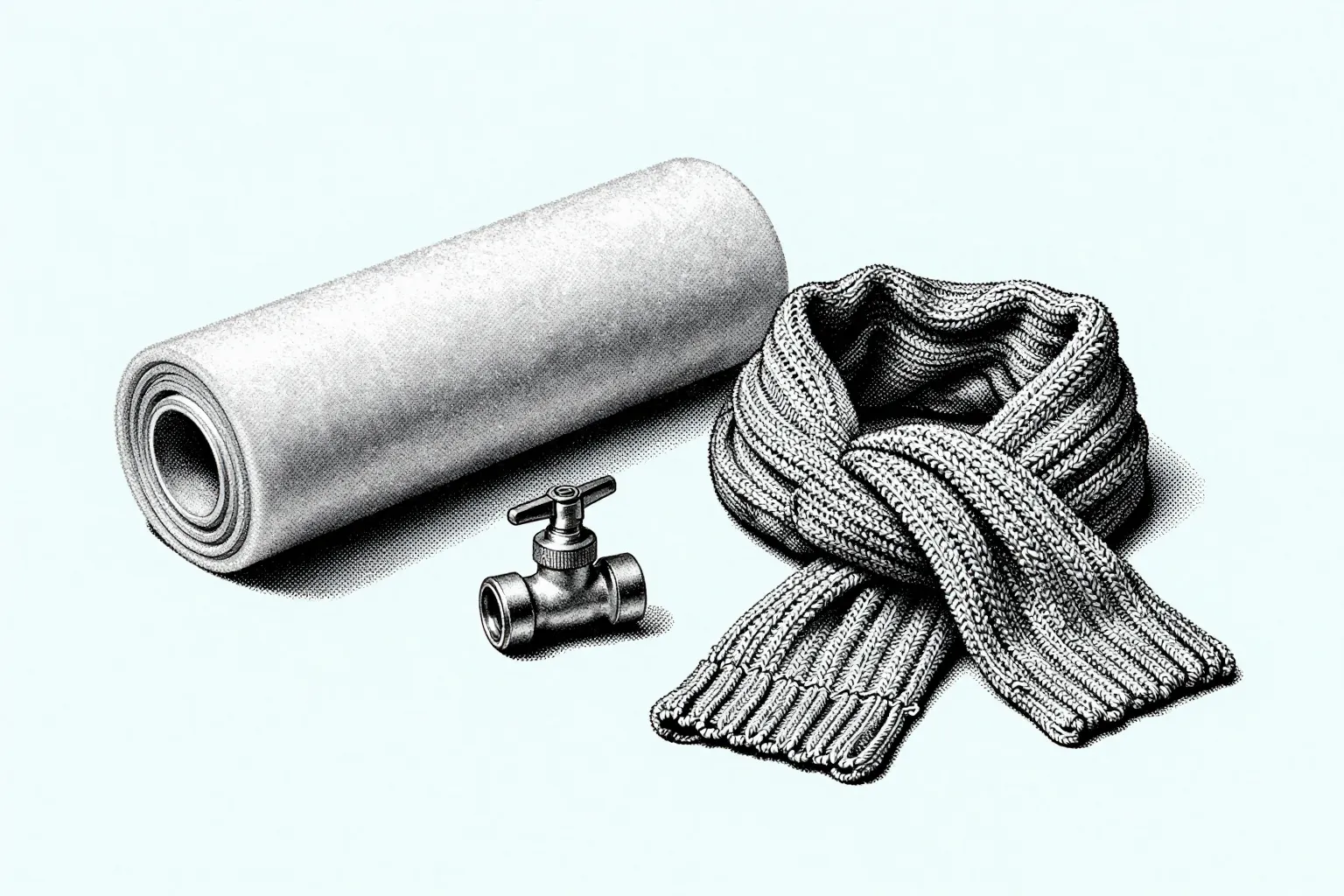
Insulation and heat cable are the lasting fixes for pipes in cold spaces. The Red Cross recommends adding insulation to attics, basements and crawl spaces, insulating both hot and cold water lines in garages and under cabinets, and protecting exposed pipes with pipe sleeves or UL-listed heat tape or heat cable.
The IBHS Winter Ready checklist adds a few items that matter in rentals:
- Insulate and seal gaps where vents, plumbing and wiring pass through exterior walls.
- Insulate pipes in hard-to-reach places such as attics, crawl spaces and along outside walls.
- Temporarily cover ventilated crawl spaces in winter.
If you install heat tape or heat cable, use a UL-listed product, follow the manufacturer's installation instructions exactly, and inspect it each fall for damage. Make sure renters know not to unplug it. Where a pipe is exposed in an unheated space and keeps freezing, the Red Cross also suggests relocating it to a more protected spot where practical, which is usually a job for a licensed plumber.
Exterior hose bibs and irrigation
Outdoor faucets and sprinkler lines are the easiest pipes to protect and among the most common to freeze. Handle them once each fall, before the first hard freeze, and decide in the lease whether this is the landlord's or the renter's job.
- Disconnect and store garden hoses. A connected hose traps water in the faucet.
- Close the indoor valve that feeds each hose bib, then open the outdoor faucet so leftover water can drain and expand without cracking the pipe. This is the Red Cross guidance.
- Check whether the faucets are frost-proof. IBHS notes that many older homes do not have frost-proof outdoor faucets; where there is no interior valve, cover the faucet from outside.
- Drain sprinkler and pool supply lines following the manufacturer's or installer's directions. The Red Cross advises against putting antifreeze in these lines unless directed, because it is harmful to people, pets, wildlife and plants.
Occupied units: set expectations in the lease and before each freeze
In an occupied unit, most freeze prevention depends on what the renter does on the coldest nights, so put the basics in the lease and repeat them before each cold snap. A short, specific winter clause is easier to enforce than a general duty to "maintain the premises."
Clauses many landlords use, subject to local law and an attorney's review:
- Minimum thermostat setting. Keep the heat on at a stated minimum in cold weather, including when away. The Red Cross advises no lower than 55°F when you are away, and IBHS recommends keeping the thermostat at least 55°F.
- Utilities stay on. If the renter pays for heat, the lease should require that service to stay active through the term. See our guide on who pays utilities in a rental for clause options.
- Prompt reporting. Report a leak, a faucet with only a trickle, or a lack of heat right away.
- Extended absences. Tell the landlord before leaving the unit empty for an extended stretch in winter, so someone can check it.
- Heat cable and insulation. Do not unplug heat tape or remove pipe insulation.
What to tell renters before a freeze
When a hard freeze is forecast, send every affected renter a short message with these steps, drawn from Red Cross and IBHS guidance:
- Keep the thermostat at the same setting day and night, and no lower than 55°F.
- Open kitchen and bathroom cabinet doors so warm air reaches the pipes, keeping cleaners out of reach of children.
- Let cold water drip from faucets served by pipes on exterior walls. A trickle helps keep water moving.
- Keep garage doors closed if water lines run through the garage.
- Know where the main water shutoff is and how to turn it.
- If a faucet produces only a trickle, report it immediately and never use an open flame to thaw a pipe.
If you need to enter a unit to check pipes or heat, follow your state's notice rules, which our guide to landlord entry notice laws covers.
Vacant units: a fuller winterization
A vacant unit has no one to notice a cold room or a dripping ceiling, so it needs one of two approaches: keep the heat on and check the unit regularly, or shut the water off and drain the system. NAIC guidance says homeowners policies generally require either keeping the home at a minimum temperature or shutting off the water supply if the home is vacant.
Option 1: keep the heat on
Keep the thermostat at or above 55°F, confirm the heating system was serviced, open cabinet doors on exterior walls, and schedule regular checks, more often during cold snaps. A lost utility account or an empty fuel tank is a common way a vacant unit loses heat, so confirm service is in your name between renters.
Option 2: shut off and drain
For a unit that will sit empty through a long cold stretch, a full winterization is safer. This is typically done by a plumber, and the general sequence looks like this:
- Shut off the main water supply.
- Turn off the water heater according to the manufacturer's instructions before draining it.
- Open faucets throughout the unit, flush toilets and drain the lines, and have the plumber blow out remaining water if the system calls for it.
- Add nontoxic plumbing antifreeze to sink, tub and floor drain traps and toilets, as the plumber directs, so traps stay sealed against sewer gas without freezing.
- Tag the main valve and fixtures as winterized so no one turns the water back on without refilling the system properly.
Hot water (boiler) heating systems and fire sprinkler systems need a heating or fire protection professional, because draining the domestic water lines does not protect them. Before the next renter moves in, have the system refilled, checked for leaks and the water heater restarted properly. Document the unit's condition with photos before and after.
Insurance and vacancy clauses
Insurance often covers sudden water damage from a burst pipe, but prevention and vacancy rules can decide whether a claim is paid. The National Association of Insurance Commissioners (NAIC) says homeowners policies cover damage from a sudden and accidental discharge from a plumbing system, and warns that if the insurer determines you neglected the plumbing by not taking preventive steps against freezing, the damage may not be covered. The Maryland Insurance Administration gives the same warning.
Landlord and dwelling policies have their own wording. Many property policies also contain vacancy or unoccupancy provisions that restrict coverage once a building has been empty for a set period. The period, the definition of vacant, and which perils are restricted vary by policy, so read your declarations and conditions and call your agent before a unit sits empty over winter. A renter's own belongings are generally a matter for their renters insurance, which is one reason some landlords require it; see our guide on whether to require renters insurance.
What to do when a pipe freezes
A faucet that produces only a trickle in cold weather is the usual first sign of a frozen pipe, according to the Red Cross. Acting before it bursts saves the most money.
- Keep the faucet open so water can flow as the ice melts.
- Apply gentle heat to the frozen section with an electric heating pad, an electric hair dryer, a space heater kept away from anything flammable, or towels soaked in hot water.
- Never use a blowtorch, kerosene or propane heater, charcoal stove or any open flame.
- Keep applying heat until full water pressure returns, then check the other faucets, since one frozen pipe often means others.
- If you cannot find, reach or thaw the frozen section, or you suspect it has cracked, shut off the water supply and call a licensed plumber. IBHS gives the same advice when water is not flowing.
What to do when a pipe bursts
Stop the water first, then make the space safe, then document everything. Treat a burst pipe as an emergency under your maintenance policy; our guide to emergency maintenance for landlords covers response standards in more detail.
- Shut off the main water supply, or have the renter do it while you are on the phone.
- Keep people away from standing water near outlets, appliances or the electrical panel, and call an electrician or the utility if water has reached electrical equipment.
- Call a plumber to repair the break and a water mitigation company to extract water and dry the structure.
- Photograph and video the damage, the failed pipe and the thermostat setting before cleanup, and keep the damaged section of pipe if you can.
- Notify your insurer promptly and follow the policy's conditions for reporting a loss.
- Tell the renter in writing what is happening, when repairs are expected, and whether the unit is livable in the meantime.
Who pays for freeze damage
Who pays depends on the cause, your lease and state law. As a general pattern, the landlord is responsible for keeping plumbing and heat in working order, and a renter can be responsible when damage results from their own negligence or a lease violation.
| Situation | General direction (check state law and lease) |
|---|---|
| Furnace failed or pipe in an uninsulated wall froze despite normal renter behavior | Usually the landlord's repair, as part of maintaining a habitable unit |
| Renter turned off the heat or left windows open during a freeze, against a lease clause | The landlord may be able to charge the renter for the damage |
| Renter's furniture, clothes or electronics damaged | Generally the renter's own loss, often covered by renters insurance |
| Renter's utility account for heat was shut off for nonpayment | Depends heavily on the lease and local utility and habitability rules |
Lack of heat or running water can also make a unit uninhabitable, which brings its own repair deadlines and renter remedies. Our guides to the implied warranty of habitability and who pays for apartment maintenance explain the general rules. Whatever the cause, written lease terms, dated messages to renters and photos are what decide disputes.
Frequently asked questions
What temperature should a rental be kept at to prevent frozen pipes?
The American Red Cross and IBHS both advise keeping the heat at no lower than 55°F, and the Red Cross recommends the same setting day and night during cold weather. Put a minimum temperature in the lease and remind renters before each cold snap.
Should I drain the pipes in a vacant rental for the winter?
If a unit will sit empty and you cannot reliably keep the heat on and check it, shutting off the water and draining the lines is the safer choice, and insurers generally expect either a minimum temperature or shut-off water in a vacant home. Have a plumber drain the system and add any plumbing antifreeze to traps.
Is a tenant responsible for frozen pipes?
Sometimes. Landlords generally must keep plumbing and heat working, but a renter can be responsible for damage caused by their own negligence or a lease violation, such as shutting off the heat during a freeze. The answer depends on state law, the lease and the facts.
Does landlord insurance cover burst pipes?
Policies often cover sudden and accidental water damage from a burst pipe, but the NAIC warns that coverage may be denied if the insurer finds you neglected preventive measures. Vacancy provisions can also limit coverage, so read your policy and ask your agent.
What to do next
Freeze prevention usually fails on communication and records rather than hardware: the renter who did not know where the shutoff was, the cold-snap reminder that never went out, the vacant unit nobody checked, and no photos when the adjuster asks what the unit looked like before the loss.
Shuk's Messaging lets you send broadcast announcements to selected properties before a cold snap, with email and push notifications, and keeps each renter conversation in one thread; Shuk does not send text messages, so call renters directly in an emergency. Maintenance Requests let renters report a leak or a frozen faucet with photos and videos, and let you create landlord-only maintenance tasks for preventive winterization work. The Inspection Tool documents walkthroughs with photos, videos and notes on each item, the Service Provider Network is a directory of local plumbers and other providers you contact directly, and Property Documents or the Document Center hold your insurance policy, shutoff valve photos and plumber invoices.
At as low as $2 per unit per month, with no setup fees and no contract, and with White Glove Onboarding included at no additional cost, Shuk makes organized freeze prevention and response feasible for landlords and property managers up to 300 units.
Book a demo at shukrentals.com/book-a-demo to see how Messaging, Maintenance Requests and the Inspection Tool work together so your renters know what to do before a freeze and you have the records if a pipe bursts.