Compliance and Legal

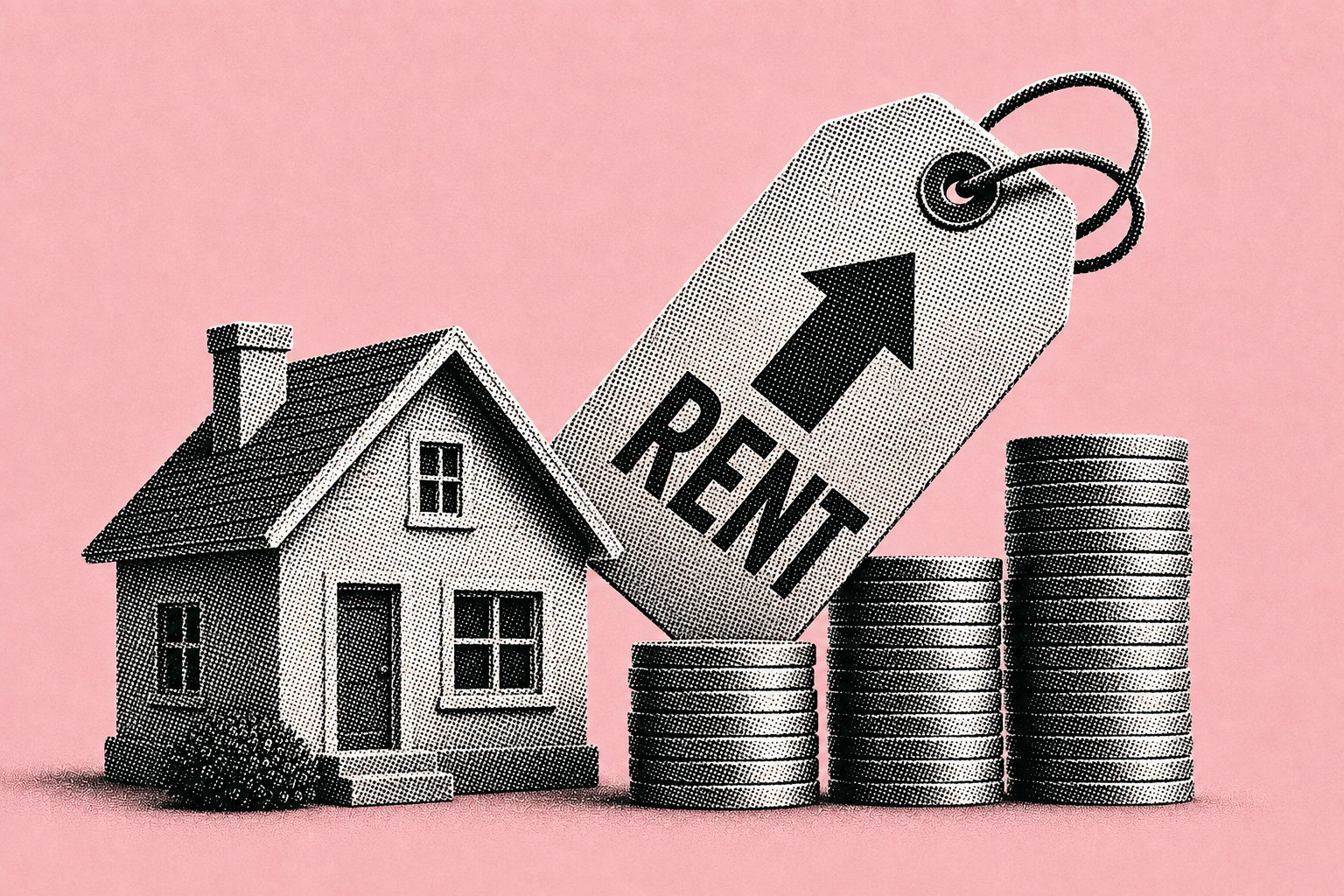
Raising Rents in Rent-Controlled Markets: Above-Guideline Increases

photo of Miles Lerner, Blog Post Author
Miles Lerner

Compliance-First Steps to Raise Rent

Rent control and rent stabilization rules are tightening, and the penalties for getting a rent increase wrong can be expensive. Even in the strictest markets, most landlords still have multiple legal paths to improve income, from annual guideline bumps to approved pass-throughs for major work.

This article is not legal advice. For unit-specific decisions, confirm rules with the relevant agency or qualified counsel.

Rent Control vs. Rent Stabilization

Rent control typically means older, stricter rules that cap rents based on a regulated "rent ceiling," often with limited ways to reset rents. A classic example is New York rent control, which uses a Maximum Base Rent (MBR) system. Rent stabilization usually allows rent increases according to a published formula or an annual board order. NYC rent-stabilized apartments follow the annual increases set by the NYC Rent Guidelines Board. California's statewide framework under AB 1482 is functionally rent stabilization for many properties.

Under rent stabilization, your job is often calculate plus notice correctly. Under rent control, your job is often prove the lawful rent and comply with a more formal adjustment process.

Snapshot: CA, NY, OR, NJ

California (AB 1482). Annual cap is the lesser of 5% plus regional April CPI-U, or 10%, with CPI figures published annually. Local ordinances (Los Angeles, San Francisco, Berkeley) can be stricter.

New York City. Rent stabilization (RGB annual orders) and rent control (MBR program). RGB Order #56 (2024-2025) set 2.75% for 1-year leases and 5.25% for 2-year leases.

Oregon (SB 608). Statewide cap based on 7% plus CPI, capped at 10%; Oregon published 10% as the maximum for 2025.

New Jersey. No single statewide cap; many cities set their own (often 3% to 6% or CPI-linked). Jersey City caps at the lesser of 4% or CPI. Newark uses 4%. Hoboken has a 5% or CPI cap.

Above-Guideline Increases: When and How to Apply

When the guideline increase does not match rising costs, many jurisdictions allow Above-Guideline Increases (or similar pass-through mechanisms).

What typically qualifies. Building-wide capital improvements (roof, major plumbing, boiler, seismic work) are the most common basis. New York's MCI program is the best-known example; HCR outlines MCI/IAI concepts and requirements. San Francisco and Los Angeles have capital improvement petition pathways. Some places also allow petitions tied to operating and maintenance expense increases.

Practical AGI workflow. Confirm coverage and eligibility. Choose the correct program and basis. Build your documentation file as you spend (contractor agreements, paid invoices, proof of payment, permits, before/after scope narratives, rent roll). Give required tenant notices and allow response windows. Submit to the correct approval body and track timelines. NYC files with NYS HCR (DHCR). SF files with the SF Rent Board. LA files with LAHD.

Vacancy Decontrol

In New York, the HSTPA (2019) removed vacancy increases and "luxury" deregulation pathways for many regulated apartments. In other places, vacancy rules can be more permissive. Plan improvements during natural turnover when you can legally renovate without disrupting a tenancy. Use lawful tenant buyouts carefully only where allowed. Never "manufacture" vacancy through illegal pressure.

Common Pitfalls

Using the wrong cap (state cap vs. local ordinance). Bad notices (wrong effective dates, missing language, outdated forms). Unlawful add-ons (fees not authorized under the ordinance). Weak record-keeping (missing invoices, unclear allocations, no proof of payment can sink an AGI/MCI petition even when the work was legitimate).

Frequently Asked Questions

What qualifies for an above-guideline increase?

Building-wide capital improvements are the most common basis: roof replacement, major plumbing, boiler, seismic work. Some jurisdictions also allow petitions for operating cost increases. Documentation of invoices, permits, and proof of payment is required.

How is NYC's MCI program different after HSTPA?

HSTPA (2019) restructured and limited MCI increases. Vacancy bonuses and luxury deregulation pathways were removed for many regulated apartments. MCI applications still go through HCR with tenant notification and response windows.

Can I raise rent beyond the guideline in California?

AB 1482's cap is the lesser of 5% plus CPI or 10%. Local ordinances in LA, SF, and Berkeley can be stricter and may have their own petition pathways for capital improvements or hardship.

QUICK VIEW
DIVE DEEPER
Stop Reacting to Vacancies. Start Seeing Them Coming.

Shuk helps landlords and property managers get ahead of vacancies, improve renewal visibility, and bring more predictability to every lease cycle.

Book a free 20-min demo to see Shuk today.

Stay in the Shuk Loop

Compliance-First Steps to Raise Rent

Rent control and rent stabilization rules are tightening, and the penalties for getting a rent increase wrong can be expensive. Even in the strictest markets, most landlords still have multiple legal paths to improve income, from annual guideline bumps to approved pass-throughs for major work.

This article is not legal advice. For unit-specific decisions, confirm rules with the relevant agency or qualified counsel.

Rent Control vs. Rent Stabilization

Rent control typically means older, stricter rules that cap rents based on a regulated "rent ceiling," often with limited ways to reset rents. A classic example is New York rent control, which uses a Maximum Base Rent (MBR) system. Rent stabilization usually allows rent increases according to a published formula or an annual board order. NYC rent-stabilized apartments follow the annual increases set by the NYC Rent Guidelines Board. California's statewide framework under AB 1482 is functionally rent stabilization for many properties.

Under rent stabilization, your job is often calculate plus notice correctly. Under rent control, your job is often prove the lawful rent and comply with a more formal adjustment process.

Snapshot: CA, NY, OR, NJ

California (AB 1482). Annual cap is the lesser of 5% plus regional April CPI-U, or 10%, with CPI figures published annually. Local ordinances (Los Angeles, San Francisco, Berkeley) can be stricter.

New York City. Rent stabilization (RGB annual orders) and rent control (MBR program). RGB Order #56 (2024-2025) set 2.75% for 1-year leases and 5.25% for 2-year leases.

Oregon (SB 608). Statewide cap based on 7% plus CPI, capped at 10%; Oregon published 10% as the maximum for 2025.

New Jersey. No single statewide cap; many cities set their own (often 3% to 6% or CPI-linked). Jersey City caps at the lesser of 4% or CPI. Newark uses 4%. Hoboken has a 5% or CPI cap.

Above-Guideline Increases: When and How to Apply

When the guideline increase does not match rising costs, many jurisdictions allow Above-Guideline Increases (or similar pass-through mechanisms).

What typically qualifies. Building-wide capital improvements (roof, major plumbing, boiler, seismic work) are the most common basis. New York's MCI program is the best-known example; HCR outlines MCI/IAI concepts and requirements. San Francisco and Los Angeles have capital improvement petition pathways. Some places also allow petitions tied to operating and maintenance expense increases.

Practical AGI workflow. Confirm coverage and eligibility. Choose the correct program and basis. Build your documentation file as you spend (contractor agreements, paid invoices, proof of payment, permits, before/after scope narratives, rent roll). Give required tenant notices and allow response windows. Submit to the correct approval body and track timelines. NYC files with NYS HCR (DHCR). SF files with the SF Rent Board. LA files with LAHD.

Vacancy Decontrol

In New York, the HSTPA (2019) removed vacancy increases and "luxury" deregulation pathways for many regulated apartments. In other places, vacancy rules can be more permissive. Plan improvements during natural turnover when you can legally renovate without disrupting a tenancy. Use lawful tenant buyouts carefully only where allowed. Never "manufacture" vacancy through illegal pressure.

Common Pitfalls

Using the wrong cap (state cap vs. local ordinance). Bad notices (wrong effective dates, missing language, outdated forms). Unlawful add-ons (fees not authorized under the ordinance). Weak record-keeping (missing invoices, unclear allocations, no proof of payment can sink an AGI/MCI petition even when the work was legitimate).

Frequently Asked Questions

What qualifies for an above-guideline increase?

Building-wide capital improvements are the most common basis: roof replacement, major plumbing, boiler, seismic work. Some jurisdictions also allow petitions for operating cost increases. Documentation of invoices, permits, and proof of payment is required.

How is NYC's MCI program different after HSTPA?

HSTPA (2019) restructured and limited MCI increases. Vacancy bonuses and luxury deregulation pathways were removed for many regulated apartments. MCI applications still go through HCR with tenant notification and response windows.

Can I raise rent beyond the guideline in California?

AB 1482's cap is the lesser of 5% plus CPI or 10%. Local ordinances in LA, SF, and Berkeley can be stricter and may have their own petition pathways for capital improvements or hardship.

{

  "@context": "https://schema.org",

  "@type": "FAQPage",

  "mainEntity": [

    {

      "@type": "Question",

      "name": "What qualifies for an above-guideline rent increase?",

      "acceptedAnswer": {

        "@type": "Answer",

        "text": "Building-wide capital improvements are the most common basis including roof replacement, major plumbing, boiler, and seismic work. Some jurisdictions also allow petitions for operating cost increases. Documentation of invoices, permits, and proof of payment is required."

      }

    },

    {

      "@type": "Question",

      "name": "How is NYC's MCI program different after HSTPA?",

      "acceptedAnswer": {

        "@type": "Answer",

        "text": "HSTPA 2019 restructured and limited MCI increases. Vacancy bonuses and luxury deregulation pathways were removed for many regulated apartments. MCI applications still go through HCR with tenant notification and response windows."

      }

    },

    {

      "@type": "Question",

      "name": "Can I raise rent beyond the guideline in California?",

      "acceptedAnswer": {

        "@type": "Answer",

        "text": "AB 1482's cap is the lesser of 5 percent plus CPI or 10 percent. Local ordinances in LA, SF, and Berkeley can be stricter and may have their own petition pathways for capital improvements or hardship."

      }

    }

  ]

}

Stop Reacting to Vacancies. Start Seeing Them Coming.

Shuk helps landlords and property managers get ahead of vacancies, improve renewal visibility, and bring more predictability to every lease cycle.

Book a demo to get started with a free trial.

Stay in the Shuk Loop

View Similar Articles

View Similar Articles

All Articles
Landlord Challenges
How to Recover Funds from a Mismanaged Rental Property

How to Recover Funds from a Mismanaged Rental Property

Recovering funds from a mismanaged rental property is a legal process that moves through five stages: securing evidence, sending a formal demand, filing regulatory complaints, pursuing court action, and applying to state recovery programs if the manager held a real estate license. For independent landlords, the path from discovery to recovery is rarely fast, but it is structured. The landlords who recover the most are the ones who act quickly to stop additional losses, reconstruct the money trail with documented evidence, and escalate through the correct channels in the right sequence.

What Mismanaged Funds Look Like and Why It Matters for Recovery

Mismanaged rental funds typically fall into a few patterns: rent collected but never remitted to the owner, security deposits not held in a proper trust account, maintenance charges that are inflated or fictitious, and late fees or utility reimbursements that disappear from statements without explanation.

The nature of the failure matters because it shapes your recovery strategy. Sloppy bookkeeping, where a manager fails to reconcile trust accounts monthly, is a compliance violation that regulators treat seriously. Commingling, where client funds are mixed with the manager's operating money, is treated as a trust violation in most states and can trigger license revocation. Outright conversion, where the manager takes funds that belong to you or your tenants, is civil theft and in some circumstances criminal conduct.

Many states maintain recovery funds specifically for losses caused by licensed real estate professionals. California's Consumer Recovery Account provides up to $50,000 per transaction and $250,000 per licensee. Texas's Real Estate Recovery Trust Account raised its per-transaction cap to $125,000 with a $250,000 per-licensee maximum as of January 1, 2024. Florida's Real Estate Recovery Fund provides up to $50,000 per transaction and $150,000 per licensee, and paid out $3.2 million in a recent fiscal year. These programs typically require a court judgment and documented collection attempts before paying a claim, which means the civil litigation step is not optional even when a recovery fund is available.

Step 1. Stop Further Losses and Secure the Evidence

The first 48 hours after discovering a problem determine how much additional damage occurs and how much evidence survives. Act on both simultaneously.

To stop further losses, revoke the manager's access to your owner portal, bank ACH authorizations, vendor payment approvals, and any property management software accounts. If the manager controls the trust account where tenant security deposits are held, notify tenants in writing of new payment instructions, consistent with your lease terms and applicable state notice requirements. Consider consulting local counsel on the correct wording before sending tenant notices.

To secure evidence, export and back up everything you can access: the management agreement, owner statements, ledgers, rent rolls, deposit logs, vendor invoices, work orders, emails, text messages, inspection photos, and any tenant communications about rent payments or deposits. Store everything in a read-only folder organized by document type. State regulators consistently emphasize documentation when evaluating complaints, and your ability to produce a clean, organized evidence file affects both the speed and outcome of everything that follows.

In writing, formally request a full accounting from the manager. The request should ask for the general ledger, trust or escrow bank statements, cancelled checks, deposit slips, and a monthly reconciliation report. A refusal to provide this documentation is itself evidence of a compliance problem and can support a regulatory complaint and later subpoena requests in litigation.

Step 2. Reconstruct the Money Trail with a Defensible Audit

Your recovery claim needs a clear, defensible number: how much is missing, from which property, during which dates, and under what authority. Build a spreadsheet with four columns for each month in the period under review: rent due per lease, rent collected per tenant receipts or payment records, deposits held per move-in documentation, and distributions and expenses per bank statements.

Pay particular attention to security deposits. In most states, deposits are treated as trust funds that must be tracked separately from operating funds. If your manager cannot show a separate trust account or cannot provide a monthly reconciliation, that is a pattern regulators across California, Texas, and Florida have identified as among the most common trust-accounting violations.

When the amounts are significant or the transactions are complex, consider hiring a CPA or forensic bookkeeper for a fixed-scope engagement to reconstruct trust account activity and owner distributions for the relevant period. A professional accounting report is more persuasive in settlement discussions and court proceedings than a spreadsheet prepared by the property owner.

The reconciliation process should match lease rent to the rent roll, match the rent roll to bank deposits, match the deposit log to trust account statements, flag every transfer that lacks a corresponding invoice or written authorization, and calculate a conservative minimum missing figure. Courts respond well to careful math with documented assumptions.

Step 3. Send a Formal Demand Letter

A demand letter is a legal record that you asserted your rights clearly, gave the manager a defined opportunity to cure, and warned of the consequences of non-response. It should be factual, attach a short exhibit list, and be sent by a trackable delivery method with proof retained.

The letter should state the exact amount demanded or a reasonable range if the audit is still in progress, include a firm deadline of 10 to 14 days for payment, identify where payment should be sent, demand all outstanding records including trust statements, reconciliations, and invoices, and notify the manager that you will file complaints with state regulators and pursue court action including recovery fund claims if applicable.

If the manager holds a real estate license, the demand letter should reference the risk of regulatory action specifically. State real estate commissions can investigate, discipline, and revoke licenses for trust-fund mishandling, and managers who depend on their license for income often respond to a demand that makes that risk explicit.

Send the letter by certified mail and email, retain delivery confirmation for both, and keep a complete copy of the letter and all attachments.

Step 4. File Regulatory Complaints and Use Agency Leverage

Regulators cannot typically write you a check directly, but they can create significant pressure, uncover additional evidence through their investigative authority, and impose consequences that motivate settlement. Filing a regulatory complaint is not a substitute for civil litigation, but it is a parallel track that often accelerates resolution.

The primary complaint target for a licensed property manager is the state real estate commission. California's Department of Real Estate processes thousands of complaints annually and has issued significant fines and license actions tied to trust account violations. Texas's Real Estate Commission and Florida's Department of Business and Professional Regulation both have formal complaint pathways for consumers who experience losses from licensed real estate professionals.

Additional complaint targets depending on the facts include the state attorney general's consumer protection division when deception or unfair trade practices are involved, and local licensing authorities if the manager operated without required credentials.

Before filing, organize your exhibits into a coherent timeline. Focus allegations on verifiable facts with specific dates, amounts, and account references. Keep a copy of every document submitted and note any confirmation or case number assigned to the complaint.

Step 5. Pursue Recovery Funds, Bonds, and Insurance

If the manager held a state real estate license, state recovery funds provide a mechanism for reimbursement after you obtain a civil judgment and demonstrate that you attempted to collect from the manager's assets. California requires a final judgment and documented collection efforts before a claim against its Consumer Recovery Account is processed. Texas and Florida have similar procedural requirements.

Separately, review your management agreement for requirements that the manager carry a surety bond or fidelity coverage. Some agreements require these and some brokerages carry errors-and-omissions insurance, though E&O policies often exclude intentional theft. Request bond and insurance policy details in writing as part of your evidence gathering, and be aware that insurers and sureties have strict notice deadlines for submitting claims.

If the manager was unlicensed, recovery fund options may not be available, but that fact strengthens your leverage for regulatory complaints about unlicensed activity and may open consumer protection complaint pathways.

Step 6. Choose the Right Court and Prepare to Win

For losses within the applicable jurisdictional limit, small-claims court provides the fastest path to a judgment without requiring an attorney. For larger losses or cases involving commingling and conversion, civil court is necessary and is also required before applying to most state recovery funds.

Your legal theories typically include breach of contract under the management agreement, conversion for wrongful control of funds, breach of fiduciary duty where applicable, and an accounting claim to compel production of all financial records. Attach your audit spreadsheet and a numbered exhibit list to whatever you file.

File in the county where the manager lives or does business to ensure you can actually enforce any judgment you receive. Bring to the hearing or trial: the management agreement, bank records, tenant payment receipts, your audit summary, and proof that you sent a formal demand before filing.

Step 7. Collect the Judgment and Document Losses

A judgment creates a legal right to payment but does not produce automatic collection. Post-judgment collection tools vary by state and commonly include bank levies, wage garnishment, judgment liens on real property, and post-judgment discovery requiring the debtor to disclose assets. If you are pursuing a state recovery fund, documenting your collection attempts is typically a procedural requirement before the fund will pay.

If you reach a settlement, put it in writing with a clear payment schedule, a provision for automatic judgment entry if payments are missed, mutual releases that do not waive claims you have not yet discovered, and a requirement for the manager to return all records.

Consult your tax professional about the deductibility of any unrecovered amounts. Treatment depends on your entity type and the characterization of the loss. Keeping a clean paper trail through the audit, litigation, and collection process supports both the tax analysis and any recovery fund application.

Recovery Checklist

Day 0 to 2: Revoke manager access to banks and portals. Notify tenants of new payment instructions. Freeze nonessential vendor payments pending review.

Day 1 to 7: Gather management agreement, owner statements, ledgers, rent rolls, deposit registers, trust or escrow bank statements, cancelled checks, and tenant payment receipts. Write a one-page timeline of key events.

Day 3 to 10: Reconcile rent due against rent collected against bank deposits. Identify missing deposits and unauthorized transfers. Calculate a minimum missing amount with documented assumptions.

Day 7 to 14: Send formal demand letter with audit summary and exhibit list by trackable delivery method with proof retained.

Day 14 and forward: File regulatory complaint with the applicable state real estate commission. Evaluate surety bond, E&O insurance, and state recovery fund eligibility. File in small-claims or civil court. Plan collection steps immediately after judgment.

How Shuk Supports Post-Recovery Operations

After recovering from a management failure, the most important operational change is rebuilding with systems that make the same failure impossible to repeat. Shuk's rent collection platform creates a documented payment record for every transaction, with ledger entries and payment confirmations that can be exported at any time. Maintenance request tracking with cost records and expense tracking organized by property and category gives owners real-time visibility into where money is going rather than discovering discrepancies months later in an owner statement.

Centralized tenant communication logs and lease document storage mean that the evidence required to support a legal claim, including lease terms, payment history, and repair records, is already organized and accessible rather than requiring emergency reconstruction at the moment it is needed most.

Frequently Asked Questions

How long does recovering funds from a property manager typically take?

If records are organized and the manager is solvent, a strong demand letter can produce settlement within weeks. If recovery requires a regulatory investigation, a court judgment, and a state recovery fund application, the process commonly takes several months. State recovery funds such as California's Consumer Recovery Account and Texas's Real Estate Recovery Trust Account both require a final judgment and documented collection attempts before paying a claim, which extends the timeline regardless of how strong the underlying case is.

Do I need an attorney to recover funds from a property manager?

For smaller losses, many landlords handle demand letters, regulatory complaints, and small-claims filings without an attorney. For larger losses, suspected conversion, or cases involving complex trust-account activity across multiple properties, an attorney can help with subpoenas, injunctions, and recovery fund compliance procedures. Cases involving potential criminal conduct such as mail fraud should be reviewed with counsel before any filings are made.

Can I recover attorney fees and court costs from a property manager?

Sometimes. Fee recovery depends on whether your management agreement includes a fee-shifting clause and on state law for your specific claims. Courts often allow recovery of filing and service fees. Attorney fees are not automatic. State recovery funds are designed to reimburse actual losses from licensed professional misconduct up to program caps and do not typically cover attorney fees separately.

What if the property manager was not licensed?

An unlicensed manager cannot benefit from state real estate recovery funds, which are available only for losses caused by licensed professionals. However, operating as a property manager without a required license is a regulatory violation in most states, which opens unlicensed-activity complaint pathways. Civil claims for breach of contract, conversion, and fraud are still available regardless of licensing status, and the unlicensed status may strengthen your position in those proceedings.

Are unrecovered losses from a property manager tax deductible?

Losses from rental property mismanagement may be deductible as business-related losses, but the correct treatment depends on your entity type, the characterization of the loss, and how it is documented. Maintain a complete paper trail including your audit, the judgment, and all collection attempts, and work with a CPA who understands rental real estate to ensure the loss is reported correctly.

Rent Collection Hub
ACH Rent Payments vs. Cards, Checks, Cash, and Apps: A Practical Guide for Small Landlords

ACH Rent Payments vs. Cards, Checks, Cash, and Apps: A Practical Guide for Small Landlords

If you manage rental properties independently or run a small property management business, rent collection sits at an uncomfortable intersection: it is mission-critical, repetitive, and surprisingly risky. One late payment can trigger a chain reaction of a missed mortgage autopay, delayed vendor work, awkward tenant conversations, and time spent reconciling who paid what.

Many rental businesses still rely on methods that make the process harder than it needs to be. Paper checks arrive late or not at all. Cash cannot be tracked cleanly. Card payments feel convenient but quietly drain margins through processing fees. P2P app payments land with the wrong memo or occasionally to the wrong person entirely.

ACH bank-to-bank transfers have become the backbone of recurring payments in the U.S. economy. The ACH Network processed 31.5 billion payments in 2023 and 35.2 billion in 2025, reflecting broad adoption and a mature payment rail trusted at national scale. Same Day ACH alone reached 1.4 billion payments valued at $3.9 trillion in 2025. For rent, that maturity matters: you want a method that is predictable, trackable, and built for recurring drafts.

But ACH can mean very different experiences depending on how you implement it. Some banks charge per-item fees alongside monthly service fees. Meanwhile, card payments can cost approximately 2.5% to 3.5% per transaction at typical convenience fee models in rent collection, and they come with dispute windows often up to 120 days that can claw back funds long after you thought rent was settled.

This guide compares ACH rent payments with credit and debit cards, paper checks, money orders, cash, and P2P apps through the lens that matters for small and mid-sized landlords: cost, funding speed, reliability, fraud and dispute risk, tenant convenience, and automation potential.

Price your current workflow, not just your fees, and include time spent chasing payments and reconciling deposits. Treat reversibility as a risk factor since dispute windows differ dramatically between ACH consumer debits and card chargebacks. Default to a method that supports recurring automation and clean bookkeeping, especially when you manage more than a handful of units.

How Each Rent Payment Method Really Performs

Landlords typically land on one of six rent collection methods: ACH bank transfers, credit and debit cards, paper checks, money orders, cash, or P2P apps. Each has a headline benefit. ACH is cheap, cards are convenient, checks are familiar, cash is immediate, P2P is fast, and money orders feel guaranteed. The real decision is about trade-offs you will live with every month.

ACH is built for recurring transfers. ACH is designed for account-to-account transfers including recurring debits. Standard ACH commonly settles in one to three business days while Same Day ACH can settle by end of day when submission cutoffs are met. Bank ACH origination pricing varies: per-item costs at some institutions run approximately $0.10 to $0.20 for credit items and $0.15 to $0.30 for debit items, with Same Day ACH running approximately $0.75 to $1.25. Some banks package ACH tools into monthly bundles or checking account tiers. Third-party processors may charge flat fees, percentage fees, or monthly fees in addition to per-item costs.

Cards are convenient but expensive. Credit and debit cards are a tenant favorite because they feel instant, but they are usually the most expensive option for the landlord's system. Many rent payment providers charge approximately 2.95% to 3.5% plus a fixed fee per card transaction. Card disputes can also reach far back, with Visa and Mastercard chargeback windows commonly up to 120 days for many dispute types. Even if you win a dispute, you spend time responding, gathering documents, and managing cash-flow uncertainty during the window.

Checks, money orders, cash, and P2P apps are familiar but friction-heavy. Checks and money orders remain common because they require no software and feel familiar to both parties. But they add operational friction through handling, depositing, reconciling, and the risk of loss or delay. Cash is immediate but creates the highest operational risk around safety, documentation, and auditability. P2P apps can be convenient but often lack landlord-grade controls around consistent memos, receipting, and clean export into accounting systems.

A baseline comparison across methods:

ACH standard: typical landlord cost of approximately $0.10 to $0.30 per item at some banks with variation by platform, funding speed of one to three business days, returns exist with consumer unauthorized window tied to Regulation E, and high automation potential through recurring drafts.

Same Day ACH: cost often $0.75 to $1.25 per item at some banks, funding by end of day when cutoffs are met, similar return concepts as standard ACH, and high automation potential.

Credit and debit cards: cost often 2.95% to 3.5% plus a fixed fee, typically fast to receive but provider-dependent, chargebacks can occur up to approximately 120 days, medium to high automation potential.

Paper checks: bank deposit fees and significant time cost, same day after deposit but tenant delivery is slow, bounced checks and loss and theft risk, low automation potential.

Money orders: tenant pays the purchase fee, same day after deposit, lower bounce risk than checks but still subject to loss and counterfeit risk, low automation potential.

Cash: no transaction fee but high operational risk from theft and disputes and a weak audit trail, low automation potential.

P2P apps: often free or low cost, often fast, account and memo errors with varying policy limits, medium automation potential.

If you are under 20 units, the biggest cost is usually time and errors rather than transaction fees. If you allow cards, set clear written rules on who pays fees and how disputes are handled where legally permitted. If you accept offline methods, require a consistent reference format of unit number plus tenant name plus month to reduce misposting.

Five Steps to Choose and Implement the Best Method for Your Portfolio

Step 1. Calculate the True All-In Cost per Door

A practical rent collection decision starts with math. For landlords under 100 units, the most common cost trap is judging methods only by direct fees while ignoring the operational tax: trips to the bank, manual reminders, deposit delays, reconciliation time, and dispute handling.

ACH costs vary by implementation. Some banks publish per-item pricing for ACH credit and debit items with Same Day ACH running higher per transaction. Other banks package ACH functionality into monthly service fees or business checking tiers. Third-party processors may charge a flat fee, a percentage, and a monthly subscription simultaneously, which can reintroduce the cost structure you were trying to avoid.

Card costs function as a margin killer at scale. Many rent payment providers use a tenant-paid convenience fee model around 2.95% to 3.5% plus a fixed amount per transaction. Even when tenants pay those fees, landlords often face indirect costs through more payment exceptions, higher dispute incidence, and tenant frustration in states where surcharging is restricted or prohibited.

Worked example, 12-unit landlord switching from checks to automated ACH: Assume twelve units at $1,500 average rent, previously collected by check requiring two bank deposit trips per month and roughly two hours per month total handling time. After switching to automated ACH drafts, handling time drops to approximately twenty minutes per month for review and exceptions. If you value admin time at $30 per hour, that is approximately $600 per year in recovered time. If your ACH method charges $0.20 per debit item, that is twelve payments times $0.20 times twelve months equals $28.80 per year in transaction fees plus any applicable bank monthly fees. On a platform with no ACH fee built for landlords, even the per-item component disappears.

Build a one-page cost model with three columns: direct fees, time cost, and risk cost covering average late fees lost, disputes, and returned items. Decide based on the total rather than any single line.

Compare percentage-based pricing against per-item pricing using your average rent since percentage fees scale up with every rent increase. Separate tenant-paid fees from landlord impact since even when tenants pay card fees, your dispute and support burden rises. If your bank requires a monthly ACH module, confirm whether your business checking tier can waive it based on balances.

Step 2. Match the Payment Rail to Your Due-Date Reality

Speed is not just how fast the tenant clicks pay. It is when funds become available for your obligations including mortgage, insurance, utilities, and vendors.

Standard ACH generally settles in one to three business days. Same Day ACH can settle by end of day but submission deadlines and bank processing schedules matter significantly. In rent collection, this means you cannot wait until the first at 11:59 p.m. and expect spendable funds on the second. The operational win comes from moving the trigger earlier and making it recurring rather than waiting for tenant-initiated action each month.

Cash-flow scenario: A small landlord with eighteen units might have a mortgage draft on the fifth. With checks, a cluster of "I'll drop it off this weekend" comments pushes deposits to the sixth or seventh. With ACH, recurring drafts scheduled on the first or even the last business day of the prior month allow standard settlement time while keeping the tenant experience simple.

Same Day ACH is not necessary as a default for rent but is a helpful lever for last-minute move-in payments, curing a pay-or-quit deadline, or handling a tenant who missed the standard draft and needs to correct quickly. Treat it as a premium exception option rather than a universal default to control per-item costs.

Card payments can feel instant at the point of sale, but funding timing depends on the provider's batch and payout schedule. The larger issue is reversibility: a chargeback can occur long after funding, affecting cash flow months later. For rent, fast today but reversible for four months can be worse than settles in two days and stays settled.

Set your rent due date and your draft date deliberately. Many landlords keep the due date as the first but schedule an ACH draft on the 28th through the 30th with tenant opt-in, or early on the first, then treat late fees and reminders as exception handling rather than the main system.

If you must pay bills by the fifth, do not depend on tenant-initiated actions on the first. Use recurring ACH pulls where authorized. Keep Same Day ACH available for exceptions rather than every tenant to control costs. Build a funds-available calendar that maps ACH processing days and weekends to your key payment obligations.

Step 3. Choose the Risk Profile You Can Operate

Every payment method has failure modes. The right choice is the one whose failures you can detect quickly and resolve efficiently.

The ACH Network processed 35.2 billion payments in 2025 and Nacha enforces network quality metrics including an unauthorized debit return rate threshold of 0.5% and a total return rate threshold of 15%. For landlords, that translates into a key operational point: implement ACH in a way that keeps return rates low through clear authorizations, accurate bank data capture, and prompt handling of notices of change.

Consumer-initiated unauthorized debit claims are governed by Regulation E error resolution concepts, commonly described as a 60-day window from statement transmission for consumers to report unauthorized electronic fund transfers. Even if rent clears, you need an audit trail: signed authorization or equivalent e-sign consent, documented lease terms, and proof of tenant identity.

Card networks commonly allow chargebacks up to 120 days for many dispute categories. That window is long relative to rent cycles and can complicate eviction timelines, owner distributions, and bookkeeping close periods. It also invites friendly fraud disputes more often in card-not-present environments.

Offline methods carry different fraud profiles. Checks face bounced NSF risk, stop payments, and altered check fraud plus loss or theft in the mail. Cash creates theft risk and payment disputes with documentation entirely on you. Money orders generally carry less bounce risk than checks but are still subject to loss and counterfeit risk. P2P apps create misdirected payment risk from inconsistent identifiers.

Regardless of method, standardize your evidence. For ACH, store authorization language, timestamps, and account verification steps. For checks, photocopy and scan and issue receipts. For cash, always issue serialized receipts and record immediately. Keep ACH return rates low by using consistent authorization flows and verifying bank details at onboarding. If you accept cards, build a dispute-response folder template with lease, ledger, communications, and move-in condition report so you can respond within network timelines.

Step 4. Turn Rent Into a System, Not a Monthly Fire Drill

Small landlords usually do not fail at rent collection because they do not care. They fail because the process is manual and brittle. Automation is where ACH tends to outperform every other method for recurring rent.

Recurring ACH means the tenant does not have to remember to pay and you do not have to chase. It also supports cleaner cash application: when payments arrive with consistent identifiers, you spend less time matching deposits to tenants and more time managing your actual portfolio.

ACH supports addenda records covering structured remittance information attached to a payment. While not every landlord will use addenda directly, platforms built on ACH can use similar concepts to ensure every payment is tagged to a unit, lease, and month. That is the difference between money arrived and ledger is correct.

If you manage thirty to eighty units, month-end close becomes a real operational challenge. Manual methods create multiple deposit sources from some checks, some cash, and some apps, ambiguous memos, and partial payments that do not map cleanly to ledger lines. ACH-based rent collection with a small-landlord-focused platform can automatically post payments, mark late accounts, and export reports for bookkeeping.

Autopay scenario: A tenant paid on the third for months due to payday timing and incurred late fees twice a year. With an automated ACH draft scheduled for the morning after payday with tenant consent, rent is pulled reliably each month. The tenant avoids late fees and the landlord avoids follow-ups and awkward enforcement. Less friction, fewer disputes, better outcome for both parties.

Make automation the default and exceptions the minority. Offer ACH autopay as the primary option but keep one backup method such as tenant-initiated ACH push for edge cases. Set up recurring ACH pulls aligned to lease start and pay cycles rather than defaulting to tenant-remembers-on-the-first. Use standardized payment labels of unit plus month plus tenant and require them across any non-ACH methods you accept.

Step 5. Make It Easy to Pay and Hard to Pay Late

Tenant convenience is not a nice-to-have. It is a collections strategy. The easier you make it to pay, the fewer exceptions you manage.

Standard ACH settlement in one to three business days is acceptable for most tenants when you design the schedule properly. Same Day ACH helps in emergencies but most tenants just want reliability and a confirmation receipt. Tenants who prefer to set autopay and forget it create the smoothest operating experience for everyone.

Tenants may ask for cards to earn rewards or float cash. The cost is significant: at 2.95% on an $1,800 rent payment, that is $53.10 per month or over $637 per year. Some tenants will pay it. Others will resent it and delay payment. Card surcharging rules also vary by state and are evolving, so confirm local compliance before relying on surcharging as your cost-offset strategy.

A subset of tenants still prefers offline payments and you can accommodate them without letting it dominate your operations. Allow checks for a limited time such as the first sixty days and then encourage ACH. Accept money orders for tenants without bank accounts. Minimize cash acceptance and if you must accept it, require appointments and issue receipts.

P2P apps are familiar to tenants but inconsistent memos and varying transfer policies undermine ledger accuracy. If you accept P2P, treat it as a temporary bridge and require strict memo formats from day one.

Present tenant choices as a tiered menu: free and recommended ACH autopay at the top, backup methods below that, and high-cost convenience options like cards last with clear fee disclosure. Reduce forgetting by making ACH autopay the default enrollment step during lease signing rather than an optional feature introduced after move-in.

ACH Rent Collection Readiness Checklist

Use this checklist to evaluate readiness and execute a smooth transition to ACH-based rent collection.

Cost and policy: You know your current monthly rent collection cost covering fees plus admin time. You have compared per-item ACH pricing against any monthly modules or bundles at your bank. You have a written policy for accepted payment methods, due dates, late fees, and returned-payment fees.

Banking and cash flow: You have mapped your funds-available calendar to ACH settlement of one to three business days. You have identified whether you need Same Day ACH for exceptions and understand it costs more per item. You have confirmed your operating account can receive ACH deposits and that you reconcile deposits weekly.

Authorization and compliance: You have a clear tenant authorization flow for ACH debits covering signed or e-signed consent. You store authorization records and payment confirmations for at least the lease term plus a reasonable dispute buffer. You understand how to handle unauthorized claims and common ACH return scenarios.

Operations and automation: You can set up recurring rent drafts aligned to lease terms. You have a process for exceptions covering failed payments, partial payments, move-in prorations, and move-out charges. You have standardized payment identifiers of unit plus tenant plus month for clean bookkeeping.

Tenant onboarding: You have created a tenant message explaining why ACH, settlement timelines, how autopay works, and how receipts are delivered. You offer at least one backup payment method for edge cases. You have set a transition date and a grace period for onboarding.

Decision checkpoint: If your current method is cards, you have calculated the tenant fee impact at approximately 2.95% to 3.5% plus fixed fees. If your current method is checks or cash, you have estimated time savings from eliminating deposit runs and manual reconciliation.

Frequently Asked Questions

How long do ACH rent payments take to hit my account?

Standard ACH typically settles in one to three business days. Same Day ACH can settle by end of day if submitted before network and bank cutoff times. In practice, the most reliable approach is not to depend on the tenant paying on the due date. Use recurring drafts scheduled earlier with clear disclosure to the tenant about when the pull will occur.

Can a tenant reverse an ACH rent payment after it clears?

ACH returns do happen. For consumer accounts, unauthorized electronic fund transfer claims follow Regulation E error resolution concepts and are commonly described as a 60-day window from statement transmission. That is why proper authorization records and consistent documentation matter from the start. If you keep authorizations clean and tenant onboarding clear, ACH operates very stably compared to card-based alternatives.

Are credit card payments safer because they are guaranteed?

Cards can be convenient but they are not final in the way landlords often assume. Cardholders can file chargebacks and network time limits are commonly up to 120 days for many dispute types. That is a long window relative to rent cycles. If you accept cards, you need a strong documentation process and cash-flow planning that accounts for potential reversals months after payment appeared to clear.

What about daily limits or caps on ACH?

Limits vary by bank, account type, and whether you are using bank ACH origination tools or a third-party processor. Some banks bundle ACH services into specific business products or impose monthly fees for the capability. Confirm per-transaction and daily limits before moving all tenants over, and keep Same Day ACH or an alternative method available for rare exceptions that exceed standard limits.

If you manage fewer than 100 units, your best rent collection system is the one that protects your margin, reduces exceptions, and runs without constant attention. Across cost, reliability, and automation potential, ACH is usually the most landlord-friendly payment rail. It is built for recurring transfers, scales cleanly as your portfolio grows, and avoids the percentage-based drag that comes with card payments. It is also a proven national network with 35.2 billion payments processed in 2025.

The key is implementation. A basic ACH setup at a bank can still leave you with per-item costs, monthly service modules, and manual reconciliation. Third-party processors can reintroduce fees through percentages or subscriptions. That is why many small landlords are moving to purpose-built rent collection automation where ACH is optimized: no ACH fees, recurring autopay drafts, clear payment labels, and workflows designed to reduce support tickets and bookkeeping cleanup.

Book a demo to see how Shuk's fee-free ACH rent collection, automated reminders, and real-time payment tracking work together so rent arrives on schedule and your NOI stays intact.

Property Acquisition Hub
Rental Property ROI: How to Measure Real Returns and Improve Them

Rental Property ROI: How to Measure Real Returns and Improve Them Without Selling

The Real Question: Is This Property Actually Paying You?

If you own 1 to 100 rental units, you have probably felt the disconnect between busy and profitable. A property can stay occupied and still underperform: expenses creep up, renewals lag market rent, or debt service eats the gains. That is why rental property ROI matters: it is the clearest way to answer a practical question. Is this property actually paying me for the risk and effort?

Here is the problem: many landlords track the wrong number or only one number. Cash in the bank feels like success until a roof replacement wipes out the year. A rising estimated value feels reassuring until you realize your cash yield is thin and vacancy is climbing. With new supply pushing vacancy pressures in many markets (Fannie Mae's 2024 commentary cited a 6.0% multifamily vacancy rate and expected it to rise with increased deliveries), the gap between headline performance and true performance can widen fast.

Note: This article provides general education about rental property ROI calculation and benchmarks, not financial advice. ROI outcomes vary by property, market, leverage, and operating conditions. Before making investment, refinancing, or disposition decisions, consult qualified professionals.

This guide explains two primary ROI formulas landlords actually use (cash-on-cash return and total ROI), how to calculate them step-by-step, what good looks like by market type, what erodes returns, and specific tactics to improve ROI without selling.

What ROI Means for Landlords (and Why You Need Both Metrics)

ROI (return on investment) is the relationship between what you gain and what you put in. For rental owners, the confusion usually comes from what counts as gain and what counts as investment. Different metrics answer different questions.

Cash-on-cash return (CoC) focuses on annual cash flow compared to the cash you invested (down payment, closing costs, initial repairs). It answers: "How hard is my cash working this year?"

Total ROI captures the broader wealth stack: cash flow plus equity build-up (principal paydown), appreciation, and sometimes tax benefits. It answers: "How much did my net worth increase because I owned this property?"

Small landlords typically need both. CoC helps you manage operations month-to-month: pricing, expenses, vacancy. Total ROI helps you make hold/sell/refinance decisions and keep perspective when cash flow is temporarily compressed by interest rates or turnover.

Two examples of where landlords get tripped up:

A property shows a 10% return in a spreadsheet, but the owner forgot to include insurance increases and leasing costs, so cash flow is overstated.

A property has weak cash flow but strong total ROI because appreciation and principal paydown are doing the heavy lifting. That can be fine, as long as you can carry it operationally.

Cash-on-Cash Return (CoC): Step-by-Step with Real Numbers

Definition. Cash-on-cash return measures annual pre-tax cash flow relative to total cash invested.

Formula. CoC = (Annual pre-tax cash flow divided by Total cash invested) times 100.

Step-by-step calculation:

  1. Calculate gross scheduled rent (GSR): monthly rent times 12
  2. Subtract vacancy/credit loss: use your actual trailing vacancy or a conservative assumption
  3. Subtract operating expenses (OpEx): taxes, insurance, repairs/maintenance, utilities you pay, HOA, leasing costs, and (if applicable) management
  4. Subtract annual debt service: principal plus interest (and mortgage insurance if any)
  5. That result is annual pre-tax cash flow
  6. Divide by total cash invested: down payment plus closing costs plus initial rehab/turn costs plus reserves you actually funded at purchase

Worked example: 4-unit in Cleveland.

Assume a 4-unit bought for $400,000 with 25% down. Down payment: $100,000. Closing costs: $9,000. Initial repairs/turn work: $11,000. Total cash invested: $120,000.

Annual income and expenses (T12-style): Scheduled rent: $1,200/unit times 4 times 12 = $57,600. Vacancy/credit loss (6%): -$3,456 (aligned with recent multifamily vacancy context near 6% in 2024 commentary per Fannie Mae). Effective gross income (EGI): $54,144.

Operating expenses: Taxes plus insurance: $10,800. Repairs/maintenance: $5,000. Utilities (owner-paid water/sewer): $2,200. Management (8% of collected rent): $4,332. Other/turnover admin: $1,200. Total OpEx: $23,532. NOI: $54,144 minus $23,532 = $30,612.

Debt service: Annual mortgage payments: $22,800. Annual pre-tax cash flow: $30,612 minus $22,800 = $7,812.

CoC = $7,812 divided by $120,000 = 6.5%.

Interpretation. 6.5% might be acceptable in an appreciation-focused strategy, but it is below the commonly cited good cash-on-cash band of roughly 8% to 12% discussed in investor education sources and industry commentary, per Rocket Mortgage and BiggerPockets.

Two actionable CoC tips: Audit vacancy in dollars, not just percent. One extra vacant month on a $1,200 unit is $1,200 lost revenue plus make-ready and leasing costs. Put it on a per-turn scorecard. Track CoC per property, then roll up by portfolio. Averages hide weak assets. A single low performer can consume most of your time.

Total ROI: Step-by-Step with Real Numbers

Definition. Total ROI measures total gain (wealth created) relative to total investment over a period.

Simple formula. Total ROI = (Total gain divided by Total investment) times 100.

For landlords, total gain often includes: cash flow (pre- or after-tax, but be consistent), principal paydown (equity gained via amortization), appreciation (market value increase), and potentially tax benefits like depreciation.

Worked example: Single-family rental in Austin (3-year hold).

Assume: Purchase price: $450,000. Cash invested at purchase: $110,000 (down payment plus closing plus initial work).

Over 3 years: Total cumulative cash flow (sum of 3 years): $18,000. Principal paydown over 3 years: $16,500. Appreciation: home value rises to $495,000 (+$45,000).

Total gain = $18,000 plus $16,500 plus $45,000 = $79,500. Total ROI = $79,500 divided by $110,000 = 72.3% over 3 years.

That is why landlords who only look at cash-on-cash can miss the bigger picture: a property can be a mediocre cash yielder but an excellent wealth builder, especially in markets where price growth outpaces rent growth. At the same time, total ROI can flatter a deal if appreciation assumptions are optimistic, so it is best used with conservative estimates and updated periodically.

Two practical total-ROI tips: Update value assumptions annually using comparable sales, not vibes. If you re-estimate value, document the comps or a consistent method. Break total ROI into four return streams. Many real estate education frameworks emphasize cash flow, appreciation, principal paydown, and tax benefits as distinct contributors.

Benchmarks: What Is a Good ROI by Market Type

There is no universal good number for rental property ROI because return expectations shift with interest rates and financing terms, local rent growth and supply, and asset class/condition. Still, benchmarks help you set targets and diagnose underperformance.

Cash-on-cash benchmarks (rule-of-thumb). Many investor education sources cite 8% to 12% as a solid CoC target, with 10% often used as a healthy screening hurdle, per Rocket Mortgage and BiggerPockets. In high-cost primary markets, lower CoC is common because prices are higher relative to rents. Returns may lean more on appreciation.

Market-type lens using yield signals (cap-rate context). Cap rates are not ROI, but they do reflect market pricing and expected yields. Surveys and market commentary in 2024-2025 suggested multifamily cap rates stabilized roughly in the mid-5% range nationally, with variation by geography and asset quality, per CBRE. Fannie Mae projected multifamily cap rates peaking around 5.5% to 6.0% in 2024. Those ranges help explain why many landlords see thinner cash flow when borrowing costs rise.

Two examples of how benchmarks change by property type:

Class B/C workforce rentals: You may target higher CoC (often closer to the 10% band) because operational risk (maintenance/turnover) is higher.

Newer Class A-style units: Lower CoC can still be acceptable if maintenance volatility is lower and rent growth/tenant quality is stronger.

Actionable benchmark tip. Pick two targets per property: minimum CoC for operational safety and expected total ROI range for the hold period. If actuals break outside either boundary, trigger a review.

Common Factors That Erode Returns

Even strong markets cannot rescue sloppy operations. In small portfolios, ROI usually leaks in predictable places.

1) Vacancy and turnover drag. Vacancy is more than lost rent. Turnover often includes: make-ready labor/materials, leasing costs (marketing, showing time, screening), concessions (one month free, reduced deposit), and utility overlap (owner-paid during vacancy). With new supply deliveries influencing vacancy in many areas, Fannie Mae flagged a 6.0% vacancy rate and upward pressure tied to supply. For a small landlord, one extra vacancy month on one unit can swing annual CoC meaningfully.

2) Maintenance and deferred capex. Repairs are lumpy: a cheap year can be followed by an expensive one. The ROI mistake is treating capex (roof, HVAC) as a surprise rather than a planned reserve. A $7,500 HVAC replacement turns a 9% CoC year into a 3% year if you were not reserving. Small recurring leaks or pest issues increase turnover, raising vacancy and maintenance.

3) Management costs (even when you self-manage). Professional management fees are often modeled as a percent of rent collected. Landlords frequently see 8 to 10% in practice. Self-management can be cost-effective, but only if systems prevent revenue loss and keep maintenance from spiraling.

Two actionable ways to spot these drags early: Build an expense ratio and watch trends. If operating expenses are rising faster than income, ROI will compress. Track turns as a KPI: cost per turn and days vacant. If either climbs, your ROI leak is usually process, not the market.

Tactics to Improve ROI Without Selling (with Before/After Example)

Improving ROI is usually a game of small, compounding wins: pricing discipline, tighter expense controls, and vacancy reduction.

1) Rent optimization (without guessing). Use market rent comps and aim for a disciplined target (for example, 50th to 90th percentile depending on unit quality). Upgrade only what tenants pay for: lighting, paint, flooring durability, in-unit laundry where feasible.

2) Expense reduction that does not reduce quality. Rebid insurance annually and vendor contracts every 12 to 18 months. Audit utilities every 6 months: leaks, running toilets, irrigation timers, and owner-paid trash/water charges. Standardize parts (locks, filters) across units to reduce emergency trips and contractor premiums.

3) Vacancy mitigation. Shorten turnaround time with a turn checklist and pre-ordered materials. Improve renewals: offer early renewal options, small upgrades, or fixed escalations to reduce churn.

Cleveland 4-unit, before/after ROI improvement.

Using the earlier Cleveland numbers, here is a realistic operational improvement plan over 12 months: Reduce vacancy from 6% to 4% through faster turns and earlier renewal outreach. Raise rents 3% on renewal/turn (still modest). Reduce maintenance by $1,200 through preventive fixes and vendor rebids. Keep debt service constant.

Before: Scheduled Rent $57,600. Vacancy Loss -$3,456. EGI $54,144. OpEx -$23,532. NOI $30,612. Debt Service -$22,800. Cash Flow $7,812. Cash Invested $120,000. Cash-on-Cash 6.5%.

After: Scheduled Rent $59,328. Vacancy Loss -$2,373. EGI $56,955. OpEx -$22,332. NOI $34,623. Debt Service -$22,800. Cash Flow $11,823. Cash Invested $120,000. Cash-on-Cash 9.9%.

That one-year shift takes the property from maybe acceptable to within the commonly discussed good CoC zone, without selling or betting on appreciation.

Two do-this-next-week tactics: Implement a rent review cadence: run comp checks 60 to 90 days before renewal and decide on a target increase range. Set a capex reserve rule: even $75 to $125/unit/month smooths ROI volatility and prevents panic spending.

ROI Worksheet

Use this simple template for each property (run it monthly, report it quarterly, and use trailing-12 for decisions).

A. Income (Annual / T12)

  • Scheduled rent: ______
  • Other income (pet, parking, laundry): ______
  • Vacancy/credit loss: ______
  • Effective gross income (EGI): ______

B. Operating Expenses (Exclude Mortgage)

  • Taxes: ______
  • Insurance: ______
  • Repairs and maintenance: ______
  • Utilities (owner-paid): ______
  • HOA: ______
  • Management/leasing: ______
  • Other: ______
  • Total OpEx: ______
  • NOI = EGI minus OpEx: ______

C. Financing

  • Annual debt service: ______
  • Pre-tax cash flow = NOI minus debt service: ______

D. Cash-on-Cash Return

  • Total cash invested (down plus closing plus initial rehab): ______
  • CoC = cash flow divided by cash invested: ______%

Two usage tips: Compare CoC across properties to prioritize fixes. Track days vacant and cost per turn alongside ROI. Those are often the fastest levers.

Frequently Asked Questions

Is cap rate the same as ROI?

No. Cap rate is NOI divided by price (or value) and excludes financing. ROI can include financing and other gains like appreciation, per CBRE and Investopedia.

Which metric should I use first: cash-on-cash or total ROI?

Use cash-on-cash for operational control and budgeting. Use total ROI for long-term strategy (hold/sell/refi).

What is a good cash-on-cash return today?

Many investor education sources still cite roughly 8% to 12% as a healthy range, but it depends on market, leverage, and property condition, per Rocket Mortgage and BiggerPockets.

Why does my ROI look fine but cash feels tight?

Total ROI can be boosted by appreciation and principal paydown while cash flow is pressured by vacancy, maintenance spikes, or debt service.

What to Do Next

If you are serious about improving rental property ROI, the fastest win is getting to one source of truth for property-level performance. Shuk's payment and income reports are filterable by property, tenant, and date and exportable to PDF or Excel, so you can see rent collected, vacancy patterns, and income trends per property. Schedule E-aligned expense organization with digital receipts keeps operating costs categorized consistently. Together, these give you the data to calculate cash-on-cash return and NOI accurately rather than guessing from bank balances.

At $5 per unit per month with no setup fees, and with White Glove Onboarding included at no additional cost, Shuk makes property-level financial tracking feasible for landlords and property managers running 1 to 100 units.

Book a demo at shukrentals.com/book-a-demo to see how income and expense reporting work together so your ROI calculations are based on real data, not assumptions.