

An online lease agreement is not a different kind of lease. It is the same binding contract you would sign at a kitchen table, prepared, delivered, signed and stored electronically. Moving online removes the scheduling, printing and scanning that slow down a move-in. It also creates new ways to get things wrong: an outdated form pulled from a search result, a missing disclosure, a co-occupant who never signed, or a signed copy nobody can find a year later. This guide walks through the online workflow from start to finish, and it sits alongside the other practical guides in our rental management guides for independent landlords.
Note: This article is general education, not legal advice. Lease requirements, required disclosures and electronic signature rules vary by state and municipality. Have a qualified attorney in your state review your lease documents and signing process.
What "online lease agreement" actually means
The phrase covers three separate steps, and it helps to keep them apart:
- Creating the document. Choosing or drafting the lease and its attachments for a specific property and renter.
- Signing the document. Collecting legally valid electronic signatures from every party.
- Keeping the document. Delivering copies to everyone who signed and storing the executed version where you can retrieve it.
Software can make steps two and three far easier. Step one is where the legal substance lives, and it deserves the most care. If you want a checklist of the clauses and terms a residential lease should contain, our guide to what landlords need to include in a lease agreement covers that in detail. This article focuses on the process around the document rather than its contents.
Where your lease documents should come from
The most common mistake small landlords make is grabbing a free generic lease from a search result. A lease is governed by state law, and sometimes by city or county ordinances, so a form written for one state can include clauses that are unenforceable, or omit terms that are required, somewhere else. Better sources include:
State-specific forms from associations
Many state and local Realtor associations, apartment associations and landlord associations publish residential lease forms written for their state, and they tend to revise them as laws change. In Texas, for example, lease forms from the Texas Apartment Association are distributed through local apartment associations to their members.
Attorney-drafted leases
A local landlord-tenant attorney can draft a lease for your portfolio or review a form you already use. This is the strongest option if you own property in a city with its own rules on rent increases, entry or deposits, or if you rent in more than one state.
Check your own state and local rules
Whatever the source, confirm that the lease reflects current requirements where the property is located. Our overview of landlord-tenant laws by state is a useful starting point for knowing which topics your state regulates, but your state statutes, local ordinances and attorney are the final word.
How to build a complete lease packet
A lease rarely travels alone. Most signings involve a packet: the lease itself plus the disclosures and addenda that apply to that specific property and renter. Assemble the packet before you send anything for signature.
Federal disclosures
If the home was built before 1978, the federal lead-based paint disclosure rule applies. According to the EPA, landlords must disclose any known information about lead-based paint and lead-based paint hazards, give renters the EPA pamphlet "Protect Your Family From Lead in Your Home," include a Lead Warning Statement as part of or attached to the lease, and keep a signed copy of the disclosures for three years after the lease begins. The EPA publishes sample disclosure forms you can use.
State and local disclosures
States and cities add their own required disclosures. Depending on where you rent, these can include topics such as mold, bed bugs, flood zones, smoking policies, shared utility arrangements, or the identity of the owner and the person authorized to manage the property. Your association form or attorney should tell you which apply.
Common addenda
Addenda handle property-specific terms without rewriting the core lease. Typical examples include a pet addendum (see our guide to setting a pet policy that protects you), a parking or storage addendum, a renters insurance requirement, rules for pools or shared amenities, and a move-in condition report that both parties acknowledge.
Organize the packet for signing
A few formatting habits make the signing step smoother and the records cleaner later:
- One PDF per document. Keep the lease, each disclosure and each addendum as its own file. If a single addendum changes at renewal, you replace one file rather than re-signing a hundred pages.
- Name files consistently. A pattern such as property address, unit, document type and date makes documents searchable years later.
- Fill in every blank before sending. Rent amount, due date, deposit, lease dates, names and the property address should all be complete.
- Mark every signature and initial location. If your state form requires initials on specific clauses, place those fields deliberately.
Are electronic signatures on a lease legally valid?
In general, yes. Two layers of law support electronic signatures on residential leases in the United States.
At the federal level, the Electronic Signatures in Global and National Commerce Act (the ESIGN Act), enacted in 2000, provides that a signature, contract or record may not be denied legal effect, validity or enforceability solely because it is in electronic form (15 U.S.C. 7001). At the state level, the Uniform Electronic Transactions Act (UETA) sets similar rules. According to a report by the New York City Bar Association, UETA has been enacted in 49 states as well as Washington, D.C., Puerto Rico and the U.S. Virgin Islands. New York is the exception: it has its own Electronic Signatures and Records Act, which also recognizes electronic signatures.
There are important limits worth knowing:
- Certain notices are excluded. The ESIGN Act does not apply to notices of default, eviction or the right to cure under a rental agreement for an individual's primary residence, or to court documents (15 U.S.C. 7003). Many states require those notices to be delivered on paper by specific methods, so do not assume your e-signature workflow covers them. Our guide on how to serve notices to uncooperative tenants covers that side.
- Consumer consent matters. When a law requires information to be provided to a consumer in writing, the ESIGN Act sets conditions for providing it electronically, including the consumer's consent. Ask renters to confirm they agree to sign and receive documents electronically, and offer a paper alternative if they request one.
- Intent and attribution. An electronic signature generally needs to show that the signer intended to sign and that the signature can be attributed to that person. A reputable e-signature platform records who signed, when and from what email address.
Best practices for signing a lease online
Get every adult occupant to sign
Every adult who will live in the unit should sign the lease, not only the person who applied first or earns the most. Adult occupants who sign are bound by its terms, which matters if one roommate leaves or a dispute arises.
Confirm identity before you send
Make sure the email address you send the lease to actually belongs to the renter you screened. Verify it against the application and photo ID you collected during screening.
Set the signing order and deadline
Decide whether renters sign first and you countersign, or the reverse, and give a clear deadline. A lease is usually not fully executed until all required parties have signed, so do not hand over keys until it is.
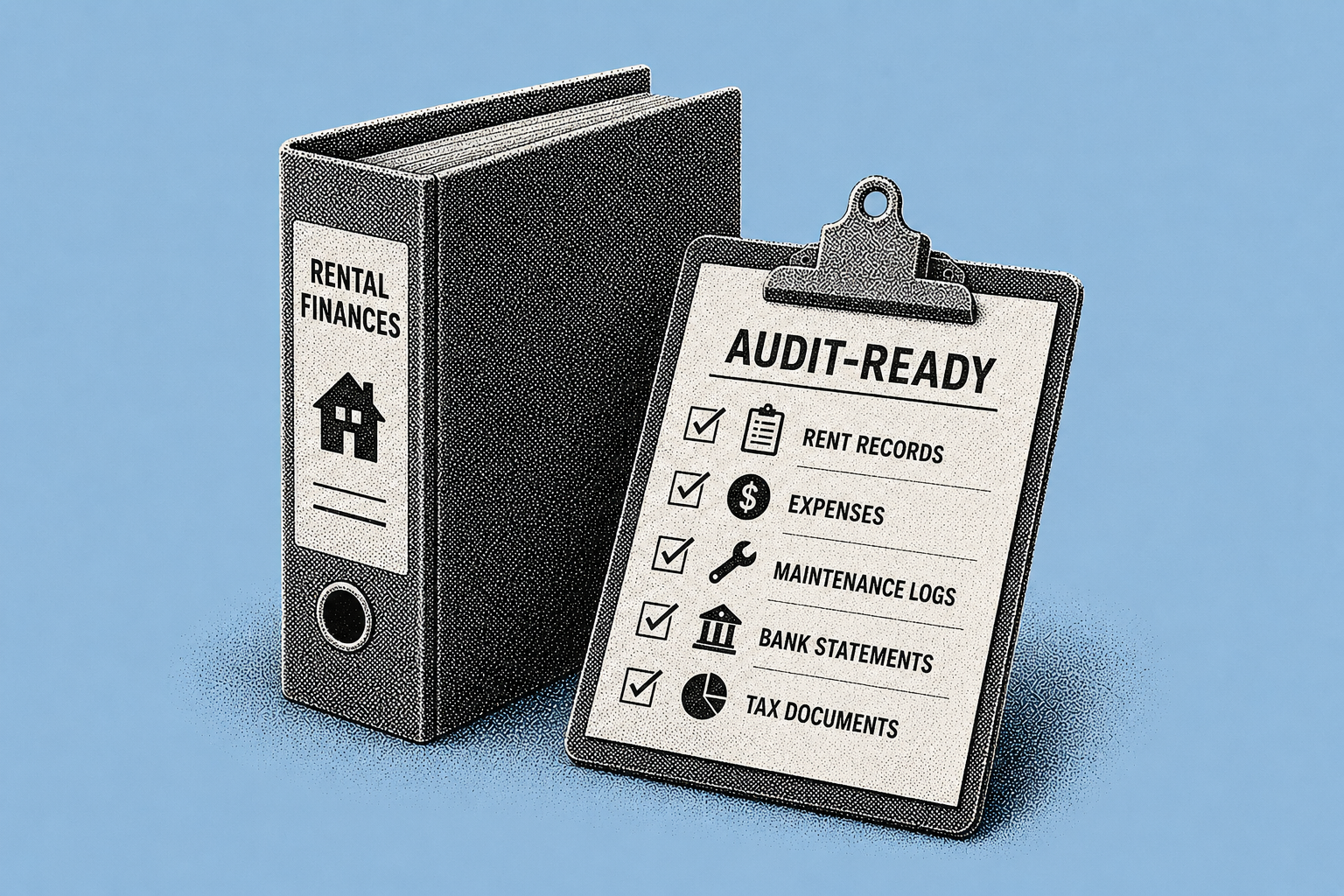
Keep the audit trail with the document
Most e-signature services produce a record of the signing events. Store that record with the signed lease. If a renter later claims they never signed or never saw an addendum, the executed document and its signing history are your best evidence. Our guide to documentation best practices for landlords explains why a consistent paper trail matters across the whole tenancy.
Deliver fully signed copies to everyone
Once every party has signed, give each signer a complete copy of the executed packet. Check whether your state sets a deadline for giving renters a copy of the signed lease, and make delivery part of your standard process rather than something done on request.
Store executed leases where you can find them
The ESIGN Act allows records to be retained electronically as long as the stored version accurately reflects the original and stays accessible in a form that can be reproduced later. In practice, that means one organized location per property, not scattered across email threads and a laptop downloads folder.
Common mistakes to avoid
- Using an out-of-state or outdated form. Check the source and the revision date every time you start a new lease.
- Leaving out required disclosures. A missing lead-based paint disclosure on a pre-1978 property is a federal issue, not a formality.
- Editing the lease after someone has signed. Any change after signing should be handled as a new document or addendum that all parties sign again.
- Missing a co-signer or occupant. Count the adults on the application and match them against the signers.
- Using e-signature for notices that require paper service. Eviction and default notices follow their own rules.
Frequently asked questions
Is an online lease agreement legally binding?
Generally, yes. The federal ESIGN Act and state electronic transaction laws, including UETA in 49 states, recognize electronic signatures, so a properly executed online lease is as enforceable as a paper one.
Where can landlords get a lease that complies with state law?
Good sources include state or local Realtor, apartment and landlord associations, and a landlord-tenant attorney licensed in your state. Avoid generic forms that are not written for the state where the property is located.
Does every adult tenant need to sign the lease?
Best practice is to have every adult occupant sign. Signers are bound by the lease terms, which protects you if one occupant leaves or a dispute comes up later.
Can I send an eviction notice through e-signature software?
Usually not as a substitute for required service. The ESIGN Act excludes eviction and default notices for a primary residence, and most states set specific delivery methods for those notices.
What to do next
Moving leases online saves real time, but only if the workflow is controlled: the right state-specific documents, a complete packet, every adult signer accounted for, clear signature status, and an executed copy you can retrieve on demand. The weak points are almost always tracking who has signed and finding the final version later.
Shuk handles the signing and storage side once your lease documents are prepared. E-signatures through an Adobe-powered integration let you upload your lease, disclosures and addenda and assign one or several signers for a legally binding signature. Real-time signature status and signer notifications show who has signed and who still needs to. Document Signing runs on Adobe's API and shows exactly when each document was signed and by whom, and Adobe's documentation says its audit trail records the date and time of each signature, the signer's verification, any changes to the document, and each signer's IP address. Completed documents are stored in a property-organized archive, and unlimited e-signatures are included on every subscription. Property Documents keep move-in reports, disclosures and other files organized inside each property, and centralized in-app messaging gives you one place to answer renter questions about the packet.
At as low as $2 per unit per month, with no setup fees and no contract, and with White Glove Onboarding included at no additional cost, Shuk makes a consistent, trackable lease signing process feasible for landlords and property managers running 1 to 100 units.
Book a demo at shukrentals.com/book-a-demo to see how e-signatures, Property Documents and in-app messaging work together so every lease is signed by the right people and stored where you can find it.