


Property Management Software

What to Do When You Inherit a Rental Property (Occupied or Vacant)

photo of Miles Lerner, Blog Post Author
Miles Lerner

What to Do When You Inherit a Rental Property

The Challenge: A Second Job You Did Not Apply For

Inheriting a rental property often arrives at the worst possible time, while you are still managing family logistics and grief. One day you are coordinating estate details. The next you are fielding tenant texts, sorting unfamiliar mail, and wondering whether you are even allowed to collect rent, authorize repairs, or change locks.

The stress compounds when the inherited rental property sits in another state. Now you are navigating unfamiliar landlord-tenant rules, coordinating remote contractors, and managing insurance requirements that shift the moment ownership changes or a unit goes vacant. Meanwhile, probate may be moving slower than expected. The American Bar Association notes that probate commonly takes six to nine months on average, with timelines varying widely by state and complexity. If the estate owns real estate in multiple states, you may also face ancillary probate, which can add months and require separate filings where the property is located.

Then there is the occupied-versus-vacant fork. If it is occupied, you must respect tenant rights, honor lease terms, and follow legally required notice periods. If it is vacant, you must protect the asset, manage vacancy insurance clauses, and decide whether to rent, renovate, or sell quickly.

Note: This article provides general education about inheriting rental property, not legal, tax, or financial advice. Probate procedures, landlord-tenant law, stepped-up basis rules, depreciation, passive activity limitations, and insurance requirements vary by state and individual circumstance. Before making decisions about an inherited property, consult a qualified estate attorney and CPA in the relevant state(s).

This guide walks you step-by-step through what to do next, legally, financially, and operationally, so you can regain control and make a calm decision you will not regret.

Real-world snapshots:

Maria inherits a Florida duplex while living in Illinois. One unit is occupied under a year lease. The other is vacant and attracting break-in attempts.

Devon inherits a California single-family rental with a reliable tenant, but the property is stuck in formal probate for over a year.

Aisha inherits a small Texas rental. She is told independent administration can be faster, but she still needs court authority before signing contracts.

Three Decisions You Are Actually Making

When people inherit a rental, they usually think the decision is keep it or sell it. In practice, you are making three decisions at once.

1) Authority and timing (probate plus title transfer). Before you can refinance, sign a new lease, or sometimes even accept rent cleanly, you need to confirm who has legal authority. If the property is still in probate, the executor or administrator may need Letters Testamentary (or similar court authority) to act on behalf of the estate. If the property is out of state, ancillary probate may be required to transfer title properly where the real estate sits. This step affects everything else.

2) Stabilize operations (occupied vs. vacant). If the inherited rental property is occupied, your first job is to preserve cash flow while staying compliant: confirm the lease, document tenant status, and communicate clearly. If it is vacant, focus on risk control: insurance, security, utilities, and preventing deterioration.

3) Choose a strategy (keep, sell, or reposition). Keeping can mean steady income and long-term appreciation, but only if the numbers work and you can manage it. Selling may be simpler emotionally and operationally, and the stepped-up basis rules often reduce capital gains compared to selling a long-held property acquired during life (per IRS Publication 551). Repositioning (renovate, re-tenant, adjust rent legally) can increase value, but it is also where new landlords make expensive mistakes.

Examples of same asset, different best answer:

Maria keeps the occupied unit (stable rent) but sells the vacant unit after calculating rehab and remote management costs.

Devon waits on major changes until court authority is clear, focusing on compliance and documentation during probate.

Aisha keeps the property but hires local help for inspections while using software to centralize rent, notices, and records.

A Practical 7-Step Plan (Occupied or Vacant)

Step 1: Confirm Who Has Legal Authority

If the inherited rental property is in probate, the key question is: Who can legally act today? Typically it is the executor named in the will, once the court issues authority (often called Letters Testamentary). Without that authority, signing leases, authorizing major work, or selling can become messy or invalid.

Ask the estate attorney (or probate court clerk, if DIY) what document your bank, insurer, and property manager will accept as proof of authority.

Examples:

Devon tried to sign a new lease addendum before Letters were issued. The tenant later disputed the terms. Waiting for court authority would have avoided the conflict.

Maria needed an out-of-state filing because the duplex was not in her home state. Ancillary probate added time and paperwork.

Aisha learned Texas independent administration can be quicker in some cases (often measured in months), but she still needed court confirmation to act.

The ABA describes probate as commonly 6 to 9 months, but it can run much longer in contested or complex estates. Plan your operational steps accordingly.

Step 2: Locate and Lock Down the Property File

Your goal is to create a single source of truth for the inherited rental property. Gather: lease(s), renewals, addenda. Rent ledger and payment history. Security deposit records (amount, where held, move-in checklist). Utility accounts, HOA rules, vendor contacts. Maintenance history and warranties. Any prior eviction or notice paperwork.

If you cannot find a lease, do not guess. Treat it as a risk flag and consult local landlord-tenant rules (state-specific).

Examples:

Maria found the lease but not the deposit documentation. She documented the gap immediately and confirmed state handling rules with counsel.

Devon inherited handwritten ledgers. He digitized them right away to reduce tax and dispute risk.

Aisha discovered a friendly rent discount arrangement not reflected in writing. She kept rent unchanged until she clarified the enforceable terms.

Step 3: Communicate with Tenants the Right Way

If the unit is occupied, tenants are often anxious too, wondering if they will be forced out, if rent changes, or where to pay. Start with a written notice that introduces the new point of contact and confirms where rent should be paid.

General principles (state law varies):

You usually must honor the existing lease terms until it ends, unless local law allows certain changes with proper notice. Rent increases and non-renewals require state-specific notice. Some areas cap increases or impose just cause requirements (verify locally). Eviction is a legal process. Self-help (changing locks, shutting off utilities) is a major mistake.

Examples:

Devon kept the same payment method for 60 days while he set up proper accounting. Tenant cooperation stayed high.

Maria used a written "Where to Pay Rent" letter and avoided dozens of panicked calls.

Aisha scheduled a courtesy inspection with proper notice, discovered a minor leak early, and prevented a bigger insurance claim later.

Step 4: Update Insurance Immediately

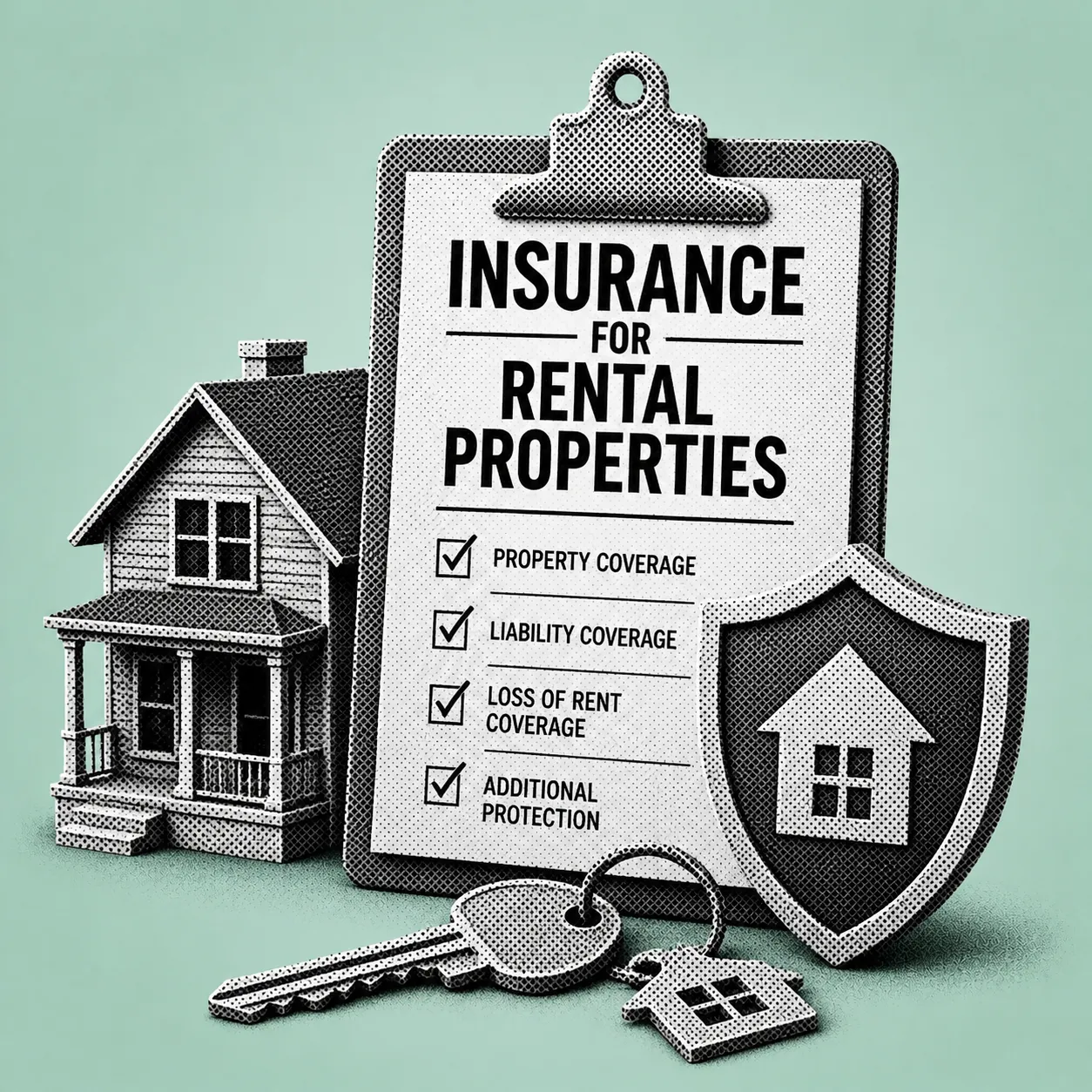
Insurance often does not auto-adjust when ownership changes or a property becomes vacant. Notify the carrier as soon as possible and ask specifically about: named insured (estate vs. heir vs. trust), liability coverage for tenant-occupied units, vacancy clauses and time limits (vacant homes may require different coverage), and required security measures (winterization, periodic checks).

Vacant properties can have coverage restrictions. Even occupied properties may have gaps if the insured party is incorrect (confirm with your carrier).

Examples:

Maria's vacant unit required additional steps (regular inspections, water shutoff).

Devon discovered the policy still listed the deceased owner. The carrier required estate documentation to correct it.

Aisha added umbrella coverage after realizing she now had landlord liability exposure.

Step 5: Decide Whether to Keep or Sell Using a Numbers-First Framework

Emotions are real, but let the math lead. Build a one-page comparison:

Keep (rent it): Cash flow after expenses? Positive monthly margin. Time/skill available? Need systems plus vendors. Property condition? Must fund repairs. Taxes and basis impact? Depreciation may offset income (per IRS Publication 527). Distance? Needs remote workflow.

Sell (as-is or after light rehab): Cash flow after expenses? One-time liquidity. Time/skill available? Less operational burden. Property condition? Buyer may discount price. Taxes and basis impact? Stepped-up basis may reduce gains (per IRS Publication 551). Distance? Simpler if far away.

Tax angle to factor in. The IRS explains that inherited property basis is generally stepped up to fair market value at date of death (per IRS Publication 551). If you sell soon after inheriting, that can mean smaller capital gains than if the deceased had sold during life. If you keep and rent, you typically begin depreciating based on your adjusted basis allocation (building vs. land).

Examples:

Maria kept the occupied unit because net income stayed strong even after budgeting for repairs. She sold the vacant side because rehab bids were high and she lived out of state.

Devon sold after probate closed because he did not want long-term landlord responsibilities under strict local rules.

Aisha kept and refinanced later (after title was clear) to fund improvements, only once she had stable documentation.

Step 6: If You Keep It, Set Up Tax and Accounting Correctly from Day One

Inherited rentals create two common tax zones.

During probate. Rental income may be reported by the estate on Form 1041, depending on how the property is held and whether income is distributed to beneficiaries. IRS Publication 559 explains responsibilities for survivors, executors, and administrators, including estate income tax filing.

After transfer to you. You report rental activity on your individual return (typically Schedule E), applying depreciation and expense rules.

Key tax building blocks (IRS-backed):

Stepped-up basis: IRS Publication 551 covers basis of assets, including inherited property basis rules.

Depreciation reset: A stepped-up basis generally means a new depreciation baseline (confirm specifics with your CPA).

Disposition rules and recapture: If you sell after depreciating, IRS Publication 544 addresses gains and depreciation recapture concepts.

Passive activity rules: IRS Publication 925 governs passive loss limitations and exceptions.

Examples:

Devon mixed personal and property spending in one account and later struggled at tax time. He fixed it by creating a separate property bank account and clean categories.

Maria got an appraisal to substantiate date-of-death fair market value for basis documentation (best practice; basis documentation is emphasized in IRS guidance).

Aisha tracked mileage and repair receipts from the first month. When she later sold, her records simplified gain calculations.

Step 7: If You Are Out of State, Choose a Management Model

Remote ownership is manageable, but only if you design for it. You generally have three options:

Self-manage remotely (lowest cash cost; highest coordination burden).

Hire local help (property manager or leasing agent; higher cost; less daily stress).

Hybrid (you control decisions, local pros do inspections/repairs).

Even if you hire help, you still need visibility: lease terms, rent status, maintenance requests, notices, and documents. A consistent system reduces disputes and makes tax season survivable.

Examples:

Maria used a hybrid approach: local handyman plus remote software for rent and records.

Devon hired a local manager after two emergency calls made it clear he could not coordinate vendors from another time zone.

Aisha built a vendor roster (plumber, HVAC, locksmith) and required photos plus invoices for every job, preventing phantom fixes.

Checklist: Inherited Rental Property First 14 Days

Day 1 to 3: Authority and Triage

  • Confirm who is executor/administrator and whether Letters Testamentary (or equivalent) have been issued
  • Ask if ancillary probate is required (property in a different state)
  • Secure the property: confirm locks, exterior lights, and basic safety
  • Get a condition snapshot: photos/video walkthrough, note urgent hazards

Day 4 to 7: Operations

  • Collect documents: lease, rent ledger, security deposit records, vendor list
  • If occupied: send tenant letter with new contact info plus where to pay rent
  • If vacant: confirm utilities, winterization needs, and inspection schedule
  • Notify insurance carrier of death/transfer status and occupancy state

Day 8 to 14: Decide Direction

  • Run a keep-vs-sell one-page analysis (rent, expenses, repairs, vacancy risk)
  • If keeping: open a dedicated bank account and start clean bookkeeping
  • Capture basis support: appraisal or other FMV documentation for IRS basis records (per Publication 551)
  • Confirm whether rental income belongs on estate return (Form 1041) during probate (per Publication 559)

One actionable extra: Put every document into a single folder structure: Ownership/Probate, Leases, Rent Ledger, Repairs, Insurance, Taxes. This is the foundation of calm remote management.

Frequently Asked Questions

Can I raise rent immediately on an inherited rental property?

Usually not immediately in a practical or legal sense. If there is an active lease, you typically must honor its rent and term until expiration unless the lease or local law allows changes with proper notice (state rules vary). Even month-to-month tenancies usually require written notice, and some jurisdictions cap increases or require just cause for termination. When in doubt, consult local statutes or a landlord-tenant attorney before sending a rent increase notice.

What if the tenant will not cooperate or stops paying after the owner dies?

Treat it like a standard nonpayment issue, but do not use self-help (lockouts, utility shutoffs). Start by confirming where rent should be paid (many tenants are confused during probate). Document everything in writing. If nonpayment continues, follow your state's notice-and-eviction process. If probate is ongoing, confirm the executor has authority to pursue eviction or accept settlement terms.

What taxes are due when I inherit a rental property and what is stepped-up basis?

Stepped-up basis generally means your tax basis becomes the property's fair market value at the date of death, per IRS Publication 551. That often reduces future capital gains if you sell soon after inheriting. During probate, rental income may need to be reported by the estate on Form 1041, as described in IRS Publication 559. After you own it personally, rental income/expenses are typically reported on your return, with passive activity rules addressed in IRS Publication 925. Because mistakes can be costly, many heirs engage a CPA for the first year.

If I sell later, do I have to worry about depreciation recapture?

Potentially, yes. If you claim depreciation after inheriting and then sell, depreciation recapture rules may apply. IRS Publication 544 explains gain and depreciation recapture concepts for dispositions of property used in business or for income production. A CPA can model scenarios so you understand the after-tax difference between selling now versus renting for a few years.

What to Do Next

If you are dealing with an inherited rental property, especially across state lines, the fastest way to reduce stress is to standardize how you collect rent, store documents, track maintenance, and keep an audit-ready record of every decision. That is hard to do with scattered texts, paper leases, and "who has the latest version?" email threads.

Shuk is built for remote and accidental landlords who need clarity fast. Online rent collection with zero ACH transaction fees creates a consistent payment record from the first rent cycle. Centralized in-app messaging with email and push notifications keeps tenant communication time-stamped and organized. Document storage keeps leases, notices, insurance declarations, probate documents, and vendor invoices in one place per property. Maintenance request tracking lets tenants submit issues with photos, videos, documents, and notes, so you have a documented condition history. And payment and income reports are filterable by property, tenant, and date and exportable to PDF or Excel, so when your CPA asks for rental income and expense data, you have it.

At $5 per unit per month with no setup fees, zero ACH transaction fees, and White Glove Onboarding included at no additional cost, Shuk gives landlords and property managers running 1 to 100 units a connected system that makes inherited property manageable from anywhere.

Book a demo at shukrentals.com/book-a-demo to see how the workflow works. Set it up once, then manage with confidence from anywhere.

QUICK VIEW
Stop Reacting to Vacancies. Start Seeing Them Coming.

Shuk helps landlords and property managers get ahead of vacancies, improve renewal visibility, and bring more predictability to every lease cycle.

Book a free 20-min demo to see Shuk today.

Stay in the Shuk Loop

What to Do When You Inherit a Rental Property

The Challenge: A Second Job You Did Not Apply For

Inheriting a rental property often arrives at the worst possible time, while you are still managing family logistics and grief. One day you are coordinating estate details. The next you are fielding tenant texts, sorting unfamiliar mail, and wondering whether you are even allowed to collect rent, authorize repairs, or change locks.

The stress compounds when the inherited rental property sits in another state. Now you are navigating unfamiliar landlord-tenant rules, coordinating remote contractors, and managing insurance requirements that shift the moment ownership changes or a unit goes vacant. Meanwhile, probate may be moving slower than expected. The American Bar Association notes that probate commonly takes six to nine months on average, with timelines varying widely by state and complexity. If the estate owns real estate in multiple states, you may also face ancillary probate, which can add months and require separate filings where the property is located.

Then there is the occupied-versus-vacant fork. If it is occupied, you must respect tenant rights, honor lease terms, and follow legally required notice periods. If it is vacant, you must protect the asset, manage vacancy insurance clauses, and decide whether to rent, renovate, or sell quickly.

Note: This article provides general education about inheriting rental property, not legal, tax, or financial advice. Probate procedures, landlord-tenant law, stepped-up basis rules, depreciation, passive activity limitations, and insurance requirements vary by state and individual circumstance. Before making decisions about an inherited property, consult a qualified estate attorney and CPA in the relevant state(s).

This guide walks you step-by-step through what to do next, legally, financially, and operationally, so you can regain control and make a calm decision you will not regret.

Real-world snapshots:

Maria inherits a Florida duplex while living in Illinois. One unit is occupied under a year lease. The other is vacant and attracting break-in attempts.

Devon inherits a California single-family rental with a reliable tenant, but the property is stuck in formal probate for over a year.

Aisha inherits a small Texas rental. She is told independent administration can be faster, but she still needs court authority before signing contracts.

Three Decisions You Are Actually Making

When people inherit a rental, they usually think the decision is keep it or sell it. In practice, you are making three decisions at once.

1) Authority and timing (probate plus title transfer). Before you can refinance, sign a new lease, or sometimes even accept rent cleanly, you need to confirm who has legal authority. If the property is still in probate, the executor or administrator may need Letters Testamentary (or similar court authority) to act on behalf of the estate. If the property is out of state, ancillary probate may be required to transfer title properly where the real estate sits. This step affects everything else.

2) Stabilize operations (occupied vs. vacant). If the inherited rental property is occupied, your first job is to preserve cash flow while staying compliant: confirm the lease, document tenant status, and communicate clearly. If it is vacant, focus on risk control: insurance, security, utilities, and preventing deterioration.

3) Choose a strategy (keep, sell, or reposition). Keeping can mean steady income and long-term appreciation, but only if the numbers work and you can manage it. Selling may be simpler emotionally and operationally, and the stepped-up basis rules often reduce capital gains compared to selling a long-held property acquired during life (per IRS Publication 551). Repositioning (renovate, re-tenant, adjust rent legally) can increase value, but it is also where new landlords make expensive mistakes.

Examples of same asset, different best answer:

Maria keeps the occupied unit (stable rent) but sells the vacant unit after calculating rehab and remote management costs.

Devon waits on major changes until court authority is clear, focusing on compliance and documentation during probate.

Aisha keeps the property but hires local help for inspections while using software to centralize rent, notices, and records.

A Practical 7-Step Plan (Occupied or Vacant)

Step 1: Confirm Who Has Legal Authority

If the inherited rental property is in probate, the key question is: Who can legally act today? Typically it is the executor named in the will, once the court issues authority (often called Letters Testamentary). Without that authority, signing leases, authorizing major work, or selling can become messy or invalid.

Ask the estate attorney (or probate court clerk, if DIY) what document your bank, insurer, and property manager will accept as proof of authority.

Examples:

Devon tried to sign a new lease addendum before Letters were issued. The tenant later disputed the terms. Waiting for court authority would have avoided the conflict.

Maria needed an out-of-state filing because the duplex was not in her home state. Ancillary probate added time and paperwork.

Aisha learned Texas independent administration can be quicker in some cases (often measured in months), but she still needed court confirmation to act.

The ABA describes probate as commonly 6 to 9 months, but it can run much longer in contested or complex estates. Plan your operational steps accordingly.

Step 2: Locate and Lock Down the Property File

Your goal is to create a single source of truth for the inherited rental property. Gather: lease(s), renewals, addenda. Rent ledger and payment history. Security deposit records (amount, where held, move-in checklist). Utility accounts, HOA rules, vendor contacts. Maintenance history and warranties. Any prior eviction or notice paperwork.

If you cannot find a lease, do not guess. Treat it as a risk flag and consult local landlord-tenant rules (state-specific).

Examples:

Maria found the lease but not the deposit documentation. She documented the gap immediately and confirmed state handling rules with counsel.

Devon inherited handwritten ledgers. He digitized them right away to reduce tax and dispute risk.

Aisha discovered a friendly rent discount arrangement not reflected in writing. She kept rent unchanged until she clarified the enforceable terms.

Step 3: Communicate with Tenants the Right Way

If the unit is occupied, tenants are often anxious too, wondering if they will be forced out, if rent changes, or where to pay. Start with a written notice that introduces the new point of contact and confirms where rent should be paid.

General principles (state law varies):

You usually must honor the existing lease terms until it ends, unless local law allows certain changes with proper notice. Rent increases and non-renewals require state-specific notice. Some areas cap increases or impose just cause requirements (verify locally). Eviction is a legal process. Self-help (changing locks, shutting off utilities) is a major mistake.

Examples:

Devon kept the same payment method for 60 days while he set up proper accounting. Tenant cooperation stayed high.

Maria used a written "Where to Pay Rent" letter and avoided dozens of panicked calls.

Aisha scheduled a courtesy inspection with proper notice, discovered a minor leak early, and prevented a bigger insurance claim later.

Step 4: Update Insurance Immediately

Insurance often does not auto-adjust when ownership changes or a property becomes vacant. Notify the carrier as soon as possible and ask specifically about: named insured (estate vs. heir vs. trust), liability coverage for tenant-occupied units, vacancy clauses and time limits (vacant homes may require different coverage), and required security measures (winterization, periodic checks).

Vacant properties can have coverage restrictions. Even occupied properties may have gaps if the insured party is incorrect (confirm with your carrier).

Examples:

Maria's vacant unit required additional steps (regular inspections, water shutoff).

Devon discovered the policy still listed the deceased owner. The carrier required estate documentation to correct it.

Aisha added umbrella coverage after realizing she now had landlord liability exposure.

Step 5: Decide Whether to Keep or Sell Using a Numbers-First Framework

Emotions are real, but let the math lead. Build a one-page comparison:

Keep (rent it): Cash flow after expenses? Positive monthly margin. Time/skill available? Need systems plus vendors. Property condition? Must fund repairs. Taxes and basis impact? Depreciation may offset income (per IRS Publication 527). Distance? Needs remote workflow.

Sell (as-is or after light rehab): Cash flow after expenses? One-time liquidity. Time/skill available? Less operational burden. Property condition? Buyer may discount price. Taxes and basis impact? Stepped-up basis may reduce gains (per IRS Publication 551). Distance? Simpler if far away.

Tax angle to factor in. The IRS explains that inherited property basis is generally stepped up to fair market value at date of death (per IRS Publication 551). If you sell soon after inheriting, that can mean smaller capital gains than if the deceased had sold during life. If you keep and rent, you typically begin depreciating based on your adjusted basis allocation (building vs. land).

Examples:

Maria kept the occupied unit because net income stayed strong even after budgeting for repairs. She sold the vacant side because rehab bids were high and she lived out of state.

Devon sold after probate closed because he did not want long-term landlord responsibilities under strict local rules.

Aisha kept and refinanced later (after title was clear) to fund improvements, only once she had stable documentation.

Step 6: If You Keep It, Set Up Tax and Accounting Correctly from Day One

Inherited rentals create two common tax zones.

During probate. Rental income may be reported by the estate on Form 1041, depending on how the property is held and whether income is distributed to beneficiaries. IRS Publication 559 explains responsibilities for survivors, executors, and administrators, including estate income tax filing.

After transfer to you. You report rental activity on your individual return (typically Schedule E), applying depreciation and expense rules.

Key tax building blocks (IRS-backed):

Stepped-up basis: IRS Publication 551 covers basis of assets, including inherited property basis rules.

Depreciation reset: A stepped-up basis generally means a new depreciation baseline (confirm specifics with your CPA).

Disposition rules and recapture: If you sell after depreciating, IRS Publication 544 addresses gains and depreciation recapture concepts.

Passive activity rules: IRS Publication 925 governs passive loss limitations and exceptions.

Examples:

Devon mixed personal and property spending in one account and later struggled at tax time. He fixed it by creating a separate property bank account and clean categories.

Maria got an appraisal to substantiate date-of-death fair market value for basis documentation (best practice; basis documentation is emphasized in IRS guidance).

Aisha tracked mileage and repair receipts from the first month. When she later sold, her records simplified gain calculations.

Step 7: If You Are Out of State, Choose a Management Model

Remote ownership is manageable, but only if you design for it. You generally have three options:

Self-manage remotely (lowest cash cost; highest coordination burden).

Hire local help (property manager or leasing agent; higher cost; less daily stress).

Hybrid (you control decisions, local pros do inspections/repairs).

Even if you hire help, you still need visibility: lease terms, rent status, maintenance requests, notices, and documents. A consistent system reduces disputes and makes tax season survivable.

Examples:

Maria used a hybrid approach: local handyman plus remote software for rent and records.

Devon hired a local manager after two emergency calls made it clear he could not coordinate vendors from another time zone.

Aisha built a vendor roster (plumber, HVAC, locksmith) and required photos plus invoices for every job, preventing phantom fixes.

Checklist: Inherited Rental Property First 14 Days

Day 1 to 3: Authority and Triage

  • Confirm who is executor/administrator and whether Letters Testamentary (or equivalent) have been issued
  • Ask if ancillary probate is required (property in a different state)
  • Secure the property: confirm locks, exterior lights, and basic safety
  • Get a condition snapshot: photos/video walkthrough, note urgent hazards

Day 4 to 7: Operations

  • Collect documents: lease, rent ledger, security deposit records, vendor list
  • If occupied: send tenant letter with new contact info plus where to pay rent
  • If vacant: confirm utilities, winterization needs, and inspection schedule
  • Notify insurance carrier of death/transfer status and occupancy state

Day 8 to 14: Decide Direction

  • Run a keep-vs-sell one-page analysis (rent, expenses, repairs, vacancy risk)
  • If keeping: open a dedicated bank account and start clean bookkeeping
  • Capture basis support: appraisal or other FMV documentation for IRS basis records (per Publication 551)
  • Confirm whether rental income belongs on estate return (Form 1041) during probate (per Publication 559)

One actionable extra: Put every document into a single folder structure: Ownership/Probate, Leases, Rent Ledger, Repairs, Insurance, Taxes. This is the foundation of calm remote management.

Frequently Asked Questions

Can I raise rent immediately on an inherited rental property?

Usually not immediately in a practical or legal sense. If there is an active lease, you typically must honor its rent and term until expiration unless the lease or local law allows changes with proper notice (state rules vary). Even month-to-month tenancies usually require written notice, and some jurisdictions cap increases or require just cause for termination. When in doubt, consult local statutes or a landlord-tenant attorney before sending a rent increase notice.

What if the tenant will not cooperate or stops paying after the owner dies?

Treat it like a standard nonpayment issue, but do not use self-help (lockouts, utility shutoffs). Start by confirming where rent should be paid (many tenants are confused during probate). Document everything in writing. If nonpayment continues, follow your state's notice-and-eviction process. If probate is ongoing, confirm the executor has authority to pursue eviction or accept settlement terms.

What taxes are due when I inherit a rental property and what is stepped-up basis?

Stepped-up basis generally means your tax basis becomes the property's fair market value at the date of death, per IRS Publication 551. That often reduces future capital gains if you sell soon after inheriting. During probate, rental income may need to be reported by the estate on Form 1041, as described in IRS Publication 559. After you own it personally, rental income/expenses are typically reported on your return, with passive activity rules addressed in IRS Publication 925. Because mistakes can be costly, many heirs engage a CPA for the first year.

If I sell later, do I have to worry about depreciation recapture?

Potentially, yes. If you claim depreciation after inheriting and then sell, depreciation recapture rules may apply. IRS Publication 544 explains gain and depreciation recapture concepts for dispositions of property used in business or for income production. A CPA can model scenarios so you understand the after-tax difference between selling now versus renting for a few years.

What to Do Next

If you are dealing with an inherited rental property, especially across state lines, the fastest way to reduce stress is to standardize how you collect rent, store documents, track maintenance, and keep an audit-ready record of every decision. That is hard to do with scattered texts, paper leases, and "who has the latest version?" email threads.

Shuk is built for remote and accidental landlords who need clarity fast. Online rent collection with zero ACH transaction fees creates a consistent payment record from the first rent cycle. Centralized in-app messaging with email and push notifications keeps tenant communication time-stamped and organized. Document storage keeps leases, notices, insurance declarations, probate documents, and vendor invoices in one place per property. Maintenance request tracking lets tenants submit issues with photos, videos, documents, and notes, so you have a documented condition history. And payment and income reports are filterable by property, tenant, and date and exportable to PDF or Excel, so when your CPA asks for rental income and expense data, you have it.

At $5 per unit per month with no setup fees, zero ACH transaction fees, and White Glove Onboarding included at no additional cost, Shuk gives landlords and property managers running 1 to 100 units a connected system that makes inherited property manageable from anywhere.

Book a demo at shukrentals.com/book-a-demo to see how the workflow works. Set it up once, then manage with confidence from anywhere.

{

  "@context": "https://schema.org",

  "@type": "FAQPage",

  "mainEntity": [

    {

      "@type": "Question",

      "name": "Can I raise rent immediately on an inherited rental property?",

      "acceptedAnswer": {

        "@type": "Answer",

        "text": "Usually not immediately. If there is an active lease, you typically must honor its rent and term until expiration unless the lease or local law allows changes with proper notice. Even month-to-month tenancies usually require written notice, and some jurisdictions cap increases or require just cause for termination."

      }

    },

    {

      "@type": "Question",

      "name": "What taxes are due when I inherit a rental property?",

      "acceptedAnswer": {

        "@type": "Answer",

        "text": "Stepped-up basis generally means your tax basis becomes the property's fair market value at the date of death per IRS Publication 551. During probate, rental income may need to be reported by the estate on Form 1041. After you own it personally, rental income and expenses are typically reported on your return with passive activity rules addressed in IRS Publication 925."

      }

    },

    {

      "@type": "Question",

      "name": "What if the tenant stops paying after the property owner dies?",

      "acceptedAnswer": {

        "@type": "Answer",

        "text": "Treat it like a standard nonpayment issue but do not use self-help like lockouts or utility shutoffs. Start by confirming where rent should be paid since many tenants are confused during probate. Document everything in writing. If nonpayment continues, follow your state's notice-and-eviction process."

      }

    },

    {

      "@type": "Question",

      "name": "If I sell an inherited rental property later do I have to worry about depreciation recapture?",

      "acceptedAnswer": {

        "@type": "Answer",

        "text": "Potentially yes. If you claim depreciation after inheriting and then sell, depreciation recapture rules may apply. IRS Publication 544 explains gain and depreciation recapture concepts. A CPA can model scenarios so you understand the after-tax difference between selling now versus renting for a few years."

      }

    }

  ]

}

Stop Reacting to Vacancies. Start Seeing Them Coming.

Shuk helps landlords and property managers get ahead of vacancies, improve renewal visibility, and bring more predictability to every lease cycle.

Book a demo to get started with a free trial.

Stay in the Shuk Loop

View Similar Articles

View Similar Articles

All Articles
Landlord Challenges
How to Reduce Vacancy Time for Rental Properties

How to Reduce Vacancy Time for Rental Properties

Vacancy time is the period a rental unit remains unoccupied between tenants. It directly impacts landlord cash flow by creating gaps in rental income while fixed costs continue. For property managers handling multiple units, reducing vacancy time from 40 days to 20 days can protect thousands in annual revenue.

Learn how Charles reduced vacancy losses by detecting move-outs early with LIT, gaining $600/month in net revenue.

Rental Management Guides
Getting Started as a Landlord: Your Essential 90-Day Roadmap

Getting Started as a Landlord: A Step-by-Step 90-Day Beginner’s Guide

Getting started as a landlord involves more than listing a property and collecting rent. Rental management includes legal compliance, tenant screening, lease agreements, rent collection, property maintenance, accounting, and ongoing tenant communication.

For a step-by-step guide to running and interpreting credit, eviction, and criminal background checks compliantly, see the tenant background check guide.

This beginner-friendly guide explains rental property management basics step by step, helping first-time landlords build the right systems during their first 90 days and avoid common mistakes that lead to stress, vacancies, or legal issues.

This guide is part of our rental management guides hub for landlords building strong rental systems from day one.

What Is Rental Management for Landlords?

Rental management refers to the process of overseeing a rental property from tenant onboarding to rent collection, maintenance, and financial tracking. For landlords, this means balancing legal responsibilities, operational tasks, and tenant relationships while ensuring the property remains profitable and compliant.

Effective rental management helps landlords reduce vacancies, manage tenants efficiently, and maintain consistent rental income.

Before collecting a security deposit, confirm the rules for your state using the security deposit laws by state guide — caps, account requirements, and refund deadlines vary significantly by jurisdiction.

Key Responsibilities of a First-Time Landlord

Understanding landlord responsibilities early helps prevent costly errors. Core responsibilities include:

  • Complying with federal, state, and local rental laws

  • Marketing the rental property accurately

  • Screening tenants fairly and consistently

  • Creating legally compliant lease agreements

  • Collecting rent on time

  • Handling maintenance and repair requests

  • Tracking rental income and expenses

Clear processes around these responsibilities form the foundation of successful rental property management.

If your rental property has a mortgage, use the free amortization calculator to understand how your payment splits between principal and interest each month — this makes your expense categorisation more accurate at tax time.

First-Time Landlord Checklist: What to Set Up in the First 90 Days

Below is a practical first-time landlord checklist to help new landlords stay organized:

  • Understand federal, state, and local rental compliance requirements

  • Prepare and market the property on trusted rental platforms

  • Use a structured tenant screening process

  • Draft legally compliant lease agreements

  • Set up online rent collection methods

  • Create a preventive maintenance schedule

  • Track income, expenses, and documents accurately

  • Establish clear communication channels with tenants

Following this checklist reduces confusion and helps landlords manage rental properties with confidence.

How Landlords Market Rental Properties Effectively

Effective marketing reduces vacancy time and attracts reliable tenants. Landlords should highlight unique property features, use competitive pricing, and present accurate descriptions supported by high-quality photos.

Listing properties on well-known rental platforms and responding quickly to inquiries improves visibility and speeds up tenant placement, helping landlords avoid extended vacancy losses.

Tenant Screening Checklist for New Landlords

Tenant screening is one of the most important landlord responsibilities. A consistent screening process helps reduce rent collection challenges and long-term maintenance issues.

A basic tenant screening checklist should include:

  • Credit history review

  • Background checks

  • Income verification

  • Rental history validation

Always obtain tenant consent and follow applicable fair housing and credit reporting regulations.

Rental Property Management Basics: Lease Agreements

A clear and legally compliant lease protects both landlords and tenants. Lease agreements should outline rent terms, payment schedules, maintenance responsibilities, and required disclosures.

Before signing your first lease, review the lease agreement legal requirements guide — it covers federally required disclosures, state-specific addenda, and how to execute a legally defensible lease.

Using digital lease management and electronic signatures helps landlords streamline paperwork while maintaining legal validity and record accuracy.

Creating clear rental agreements is an important early step. Understanding lease management basics helps landlords stay compliant and avoid future disputes.

Rent Collection Methods for New Landlords

Rent collection is more reliable when systems are simple and transparent. Many landlords now use online rent collection to reduce late payments and manual tracking.

Clear payment schedules, reminders, and documented records help landlords maintain consistent cash flow and minimize disputes.

Setting up clear rent collection strategies early helps landlords maintain consistent cash flow.

Before you buy your first rental, use the free cash flow calculator to check whether the property generates positive cash flow after all expenses and the mortgage.

Property Maintenance and Repair Management

Maintenance tracking is a proactive process. Regular inspections and prompt repairs prevent small issues from becoming expensive problems.

Building relationships with reliable contractors and maintaining clear maintenance records improves tenant satisfaction and supports long-term property value.

New landlords should also review a practical rental property maintenance guide to avoid delayed repairs and tenant complaints.

Accounting Essentials for Rental Properties

Accurate financial tracking is critical for rental success. Landlords should record:

  • Rental income

  • Maintenance expenses

  • Utilities and service costs

  • Tax-related deductions

Organized accounting simplifies tax preparation and gives landlords better visibility into property performance.

Before buying your first rental, use the free cap rate calculator to check whether the property is priced fairly — it calculates cap rate, NOI, and market value based on real income and expenses.

Communication Tools for Managing Tenants

Clear communication supports healthy landlord-tenant relationships. Establish professional boundaries using documented communication channels for maintenance requests, notices, and general inquiries.

Structured communication reduces misunderstandings and helps landlords manage tenants more efficiently.

Frequently Asked Questions

How do I start as a landlord for the first time?

Start by understanding rental laws, preparing the property, screening tenants carefully, and setting up systems for rent collection and maintenance. A structured rental management approach helps avoid early mistakes.

What does a landlord need to manage rental properties?

Landlords need legally compliant leases, tenant screening processes, rent collection methods, maintenance tracking, and reliable communication tools to manage rentals effectively.

Can a landlord manage rental property without experience?

Yes. First-time landlords can manage rental properties by following best practices, using checklists, and relying on rental management platforms to simplify daily tasks.

Do landlords need property management software?

While not mandatory, many landlords use rental management software to handle leases, rent collection, accounting, and tenant communication in one place.

What are common mistakes new landlords make?

Common mistakes include poor tenant screening, unclear lease terms, delayed maintenance, and manual rent tracking, which can increase stress and vacancy risk.

Next Best Step for First-Time Landlords

To simplify landlord responsibilities, many first-time landlords use rental management platforms like Shuk Rentals to manage leases, rent payments, maintenance, and tenant communication from a single system.

Tenant Screening Hub
How Tenant Screening Services Work: A Step-by-Step Workflow for Independent Landlords

How Tenant Screening Services Work: A Step-by-Step Workflow for Independent Landlords

Why Screening Matters, and What Happens When You Skip It

If you are self-managing rental property, the fastest way to lose money is not a maintenance issue. It is a screening mistake. One missed red flag can turn into unpaid rent, legal fees, property damage, and months of vacancy while you reset. Industry estimates commonly put the cost of an eviction in the $3,500 to $10,000 range once you add lost rent, court costs, and turnover, sometimes more depending on how long the case drags out in your area. Meanwhile, eviction filings remain elevated. Princeton's Eviction Lab tracked over one million eviction cases filed in 2024, still above pre-pandemic levels in many places.

And yet, many independent landlords still screen like it is 2005. A PDF application, a paystub screenshot, a "background check" that is really just a quick online search, and a gut-feel decision made under pressure because the unit is sitting empty.

The result is a screening workflow that is slow, inconsistent, and legally risky. The Fair Credit Reporting Act (FCRA) requires a permissible purpose and applicant consent before you obtain consumer reports. If you deny (or even approve with different terms) based in whole or in part on a screening report, you generally must provide an adverse action notice with specific disclosures. On top of that, HUD fair housing guidance warns that blanket criminal-history rules can create discriminatory effects. It urges more individualized, consistent screening criteria.

This guide breaks down how tenant screening works today, end to end, so you can run a compliant, repeatable process that protects both your property and your time.

Note: This article provides general education about the tenant screening process, not legal advice. FCRA, fair housing, and state-specific screening rules are detailed and change. Before setting screening criteria or handling adverse action, confirm your obligations with a qualified attorney.

What You Will Learn (and Why It Matters)

A good tenant screening process does two things at once:

  • Predict performance. Will they pay? Will they follow the lease? Will they create avoidable risk?
  • Reduce liability. Are you applying consistent criteria and complying with FCRA and fair housing rules?

Modern tenant screening services combine multiple data sources (credit-based risk signals, criminal records, eviction history, and verification tools) then package them into an organized set of steps. The best platforms do not just "pull reports." They help you build a workflow. Application intake, identity checks, document collection, verification, decisioning, and documentation.

Here is what we will cover:

  • The full background check workflow, from application submission to approve or deny
  • What to collect (and what not to) at each step
  • How to use screening data without violating FCRA or creating inconsistent standards
  • Practical decision criteria you can adapt to your rental

We will also include real-world-style examples and a cautionary tale about skipping eviction checks.

Throughout, we will reference key compliance guardrails from the FTC and CFPB on FCRA obligations and HUD's fair housing guidance on screening policies and criminal records. The goal is not to turn you into a lawyer. It is to give you a clear, step-by-step map of how tenant screening works when it is done professionally, without needing a full-time leasing staff.

Step 1: Standardize Your Application Intake (and Get the Right Consent)

Start by making your application package consistent across applicants. Consistency is not just operationally smart. It helps support fair housing compliance by reducing ad hoc exceptions and "moving target" standards.

What to include in the application

  • Full legal name, DOB, phone and email, current address, prior addresses
  • Employment and income details (employer, role, income type)
  • Rental history (past landlords, dates, reasons for leaving)
  • Occupant list and pets
  • The authorizations you need (credit, background, and eviction screening consent)

FCRA requirement. Before obtaining a consumer report (credit and many screening reports), you need a permissible purpose and applicant consent. A modern platform typically captures this consent digitally, time-stamps it, and ties it to the exact reports pulled, useful if your decision is ever questioned.

Data point to keep in mind. Screening is partly about avoiding costly outcomes. With evictions commonly estimated at $3,500 to $10,000 per case, even a small increase in screening accuracy can pay for itself.

Example. Instead of accepting a texted photo of a paystub, require applicants to upload documents through the portal so you have the same inputs for everyone.

Step 2: Verify Identity Early (Reduce Fraud Before You Spend Money on Reports)

Identity issues are a hidden time-sink in the tenant screening process. If you run a credit or background check on the wrong person, or on someone using synthetic identity data, you waste money and could make a decision using mismatched records.

What strong identity verification looks like

  • Matching name, DOB, and address history consistency
  • Cross-checking applicant-provided info against bureau or header data where allowed
  • Flagging mismatches early before ordering paid reports

Why it matters for compliance. If an applicant later disputes inaccurate data, you want clean documentation showing you screened the correct person and followed a repeatable process. The CFPB has highlighted accuracy problems in parts of the tenant screening market, which raises the importance of clean inputs and dispute-ready documentation.

Example. Applicant lists a current address that does not appear anywhere in address history signals. You pause screening and ask for a utility bill or other proof of residency before proceeding.

Step 3: Pull Credit and Risk Indicators (and Interpret Them Responsibly)

Credit is not a "good person or bad person" score. It is a risk signal about payment behavior. Many landlords use minimum score guidelines, but the best approach is to combine score bands with derogatory items, debt burden, and payment history.

What a modern credit pull typically includes

  • Credit score (and, if available, a resident-focused risk score)
  • Tradeline summary, delinquencies, collections
  • Public record indicators where available

TransUnion has emphasized that certain alternative signals (like collections records) can be predictive of resident behavior. That is why integrated data, pulled in a compliant way, often beats a DIY patchwork approach.

Practical interpretation tips

  • Do not auto-deny purely on score. Use score bands plus compensating factors.
  • Watch for patterns. Recent delinquencies, repeated collections, heavy revolving utilization.
  • Apply the same thresholds consistently to avoid fairness issues.

Case study. Maria (4-unit landlord) used to manually screen. She would ask for a score screenshot and call one landlord reference. After switching to an online platform that packaged credit plus eviction plus verification into one workflow, she shortened time-to-decision and reduced vacancy days. The key change was not being stricter. It was deciding faster with the same criteria because the information arrived in a single, organized view.

Compliance reminder. If credit info contributes to a denial or different terms, FCRA adverse action rules can apply (more in Step 8).

Step 4: Run Criminal and Sex-Offender Checks Carefully (Avoid Blanket Bans)

Criminal screening is one of the most sensitive parts of the background check process. HUD has repeatedly warned that blanket criminal-history exclusions can cause discriminatory effects and may violate the Fair Housing Act if not justified and applied consistently. HUD's 2016 guidance specifically recommends an individualized assessment that considers nature, severity, and recency rather than a broad "any felony ever" policy.

Best-practice approach

  • Define a lookback window aligned with your risk tolerance and local law
  • Focus on convictions relevant to resident safety and property risk
  • Allow applicants to provide context or mitigating info when appropriate (consistent process)

What "individualized assessment" can look like

  • Offense type (violent vs. non-violent)
  • Time since conviction
  • Evidence of rehabilitation (steady employment, stable housing since)

Pitfall to avoid. Using a criminal report as a simple pass or fail without documenting why the policy is necessary. That is where landlords get into trouble, not because they screened, but because they screened inconsistently or without a defensible rationale.

Step 5: Check Eviction History and Rental Performance (the Step Landlords Most Regret Skipping)

Eviction history is often the most directly relevant signal for "how will this person behave as a renter?" Yet many small landlords skip it because it feels complicated or they assume references will tell the truth.

Why it matters. Eviction filings remain high. Princeton's Eviction Lab reported nearly 1.115 million cases in 2023 and over one million in 2024. Even when a filing does not end in a removal, it can indicate chronic nonpayment disputes or recurring lease violations.

What to look for

  • Recent eviction filings and outcomes (where available)
  • Patterns across multiple addresses
  • Timing vs. employment history (do instability periods align with job loss?)

Cautionary case. Derek (8-unit owner) skipped eviction screening because the applicant had a decent credit score and a friendly demeanor. Six months in, he learned the hard way. The tenant had a recent eviction filing in a neighboring county. The case did not show up in Derek's casual online search, but it would have appeared in a proper eviction search. The result: nonpayment, legal action, and extended vacancy.

Operational tip. Always apply the same eviction criteria. If you "forgive" one applicant's eviction but not another's without a written rule, you create inconsistency risk.

Step 6: Verify Income, Employment, and Affordability (Reduce "Paystub Theater")

Income verification is where many first-time landlords get fooled. Screenshots can be edited, bank balances can be temporary, and "income" can be irregular.

A strong verification workflow includes

  • Income amount and frequency
  • Employment status and start date
  • Document authenticity checks (where possible)
  • Affordability ratio (rent-to-income policy)

Helpful context. NMHC's Rent Payment Tracker has shown that a large share of households pay on time, but meaningful minorities do not in tighter periods. The point is not to assume everyone will miss rent. It is to set affordability rules that lower your exposure when conditions tighten.

Example affordability policy (customize to your market)

  • Target: rent at or below 30% to 35% of gross monthly income
  • Require higher reserves or a guarantor for self-employed applicants with volatile income

Pitfall. Over-collecting sensitive documents. Only request what you need and store it securely (see Step 8).

Step 7: Handle Pets and Assistance Animals With a Compliant, Documentable Workflow

Pets are a business decision. Assistance animals are a fair housing accommodation topic. Mixing the two is where landlords get burned.

Best practice. Use a structured pet and animal questionnaire that separates:

  • Household pets (pet rent and deposit rules)
  • Requests for reasonable accommodation for an assistance animal

HUD emphasizes reasonable accommodations for disabilities and consistent, non-discriminatory handling of requests. If you use a structured form for these requests, it should help you organize documentation, spot incomplete submissions, and route the request into a consistent process, not act as a denial mechanism.

What a compliant workflow looks like (high level)

  • A clear request path for accommodations
  • A consistent review standard (what documentation is needed, when)
  • Documentation of your decision and any approved accommodation

Data security reminder. If you are collecting consumer report information or sensitive documents, secure storage and proper disposal matter. The FTC's Disposal Rule under FACTA covers proper disposal of consumer report information. A good system limits downloads, restricts access, and supports secure retention policies.

Step 8: Make the Approve or Deny Decision, and Send Adverse Action Notices When Required

This is where your process becomes defensible. Written criteria, consistent application, and clear documentation.

Decision models landlords use (practical)

  • Approve. Meets credit, rental, and income thresholds. No disqualifying eviction or criminal items.
  • Approve with conditions. Higher deposit (where legal), guarantor, shorter lease term (terms must comply with state and local law).
  • Deny. Fails written criteria based on documented report findings.

FCRA adverse action basics

If you deny or change terms because of information in a consumer report, you must provide an adverse action notice with required disclosures (including the reporting agency's contact info and the applicant's right to dispute). FTC guidance stresses using written notices and providing required details. Provide it within a reasonable timeframe. Guidance commonly references acting promptly.

Example. You deny due to an eviction record and recent collections. You send an adverse action notice identifying the consumer reporting agency, stating the decision was based in whole or part on the report, and explaining dispute rights.

How platforms streamline this. The best systems generate compliant adverse action notices from the decision screen, log delivery, and store the record, so you are not hunting for templates when you are busy.

Tenant Screening Workflow Checklist

Use this as a one-page workflow you can copy into your leasing binder.

1) Pre-screen (before showings)

  • Publish basic criteria: income ratio, smoking policy, occupancy limits, pet policy
  • Set application fee rules per local law

2) Application intake

  • Collect full application plus photo ID
  • Capture signed consent for consumer reports (FCRA)

3) Identity verification

  • Confirm name, DOB, and address consistency
  • Resolve mismatches before ordering reports

4) Reports

  • Credit plus risk indicators
  • Criminal history (apply individualized review)
  • Eviction history (filings and outcomes where available)

5) Verification

  • Employment and income verification (document or linked verification)
  • Landlord reference questions (dates, payment history, lease violations)

6) Pets and assistance animal handling

  • Separate pet screening from accommodation requests
  • Document decisions consistently

7) Decision plus documentation

  • Approve, approve with conditions, or deny (based on written criteria)
  • If adverse action: send notice with required disclosures
  • Securely store and later dispose of consumer report data per FTC disposal guidance

FAQ

How long does the tenant screening process take?

With manual screening, it can take days of phone calls and document chasing. Online tenant screening services can often reduce this to same-day for many applicants, because consent, report ordering, and verification requests happen in one workflow. Speed matters because every extra vacancy day is lost revenue. A well-organized process should let you make a documented decision within 24 to 72 hours for most applicants without skipping steps.

Can I deny an applicant for any criminal record?

Blanket denials are risky. HUD's guidance warns that broad criminal-history bans may have discriminatory effects and encourages individualized assessment based on nature, severity, and recency. Also check local "fair chance" laws, which can add timing and notice requirements. The safest approach: define a written criminal history policy that is tied to legitimate safety and property concerns, apply it consistently to every applicant, and allow applicants to provide context. Consult an attorney before finalizing your policy.

When do I have to send an adverse action notice?

If a consumer report (credit, eviction, background screening report) influences a denial or less favorable terms, FCRA generally requires an adverse action notice with specific disclosures and dispute rights. FTC guidance emphasizes written notices with the reporting agency's details and consumer rights. Do not ghost an applicant after a denial. The notice is not optional when a consumer report contributed to the decision.

What should I do if an applicant says the report is wrong?

Pause and let them dispute through the consumer reporting agency listed in your adverse action notice. The CFPB has noted accuracy issues in tenant screening reports, which is why clean documentation and a consistent workflow matter. Do not make a final decision while a dispute is pending if you can reasonably wait. If the dispute changes the information, re-evaluate against your written criteria.

What to Do Next

If you want a faster, more consistent way to apply the screening steps in this guide, the next move is to choose an integrated screening service that bundles credit, eviction, and background checks into one workflow, and run it the same way every time. Build your written criteria, collect authorization, and let the platform organize the reports so you can decide in hours rather than days.

This is where Shuk fits into the screening workflow.

Shuk provides tenant screening through our partner (RentPrep/TransUnion), so you get credit, criminal, and eviction reports as part of your screening process without shopping for a separate screening vendor or assembling piecemeal reports from multiple providers. Around the screening report, Shuk's centralized in-app messaging with email and push notifications gives you a time-stamped record of every applicant conversation, authorization exchange, and verification follow-up. Document storage keeps the application, ID, income documentation, landlord-reference notes, screening report, adverse action notice, and your decision documentation organized in one place per applicant. And when you make a placement, e-signature for the lease through our Adobe-powered integration means the transition from approved applicant to signed tenant happens in one connected system.

After the lease is signed, the same Shuk subscription gives you the rest of the rental operating stack. Online rent collection with zero ACH transaction fees and configurable late fees applied automatically. Maintenance request tracking with photos, documents, and a complete history per property. Schedule E-aligned expense organization with digital receipts. The Lease Indication Tool for predictive lease renewal insights through monthly tenant polling starting six months before lease end (so the quality screening decision you make today feeds into a renewal forecasting system that protects you from surprise vacancy later). Two-Way Reviews between landlords and tenants that build verifiable rental reputations. And Year-Round Marketing.

At $5 per unit per month with no setup fees, and with White Glove Onboarding included at no additional cost (where the Shuk team handles property setup, account preparation, and renter onboarding for you), Shuk makes structured, documented screening and the entire rental workflow feasible for landlords and property managers running 1 to 100 units. Shuk now supports third-party management with multi-user workflows and role-based access, so a property management team can run consistent screening standards across an entire portfolio.

Book a demo at shukrentals.com/book-a-demo to see how Shuk's tenant screening through our partner, centralized in-app messaging, document storage, e-signature, online rent collection with zero ACH fees, automated late fees, maintenance request tracking, Schedule E-aligned expense organization, the Lease Indication Tool, Two-Way Reviews, and Year-Round Marketing work together so screening becomes a repeatable system built into your rental workflow.