
Rental Management Guides
The End-to-End Workflow for Independent Landlords and Property Managers With 1 to 100 Units
Onboarding, rent, maintenance, renewals, and reporting all influence each other. When they live in scattered tools, even experienced landlords feel friction. This hub organizes the full rental workflow into one connected operating framework.
Rental Management Guides: How to Manage a Rental Property End to End
Rental property management is the set of repeatable systems a landlord uses to protect income, maintain property condition, and stay legally compliant across the full tenant lifecycle. For independent landlords managing 1 to 100 units, the challenge is not understanding what needs to be done. It is doing it consistently, without staff support, often after hours, while balancing rising operating costs and a competitive rental market.
New to managing rentals? Start with Getting Started as a Landlord to understand the first 90 days of setting up your systems, tenant processes, and lease workflows.
This hub organizes the entire rental management workflow into eight clusters covering every phase of operations. Each cluster connects to focused spoke guides covering the specific tasks, tools, and decisions within that phase.
Rental management works best when landlords treat it as a connected system rather than a series of separate tasks. New property owners usually begin by getting started as a landlord, then build stronger leasing processes with lease management basics, improve payment workflows through rent collection strategies, and reduce turnover through effective lease renewal management. As operations grow, landlords also need better tenant communication strategies and a practical rental property maintenance guide to keep everything organized across the full rental lifecycle.
Why Consistency Is the Core Problem in Rental Management
Most landlord problems do not start as big mistakes. They start as small documentation gaps, informal agreements, or inconsistent processes that compound over time into expensive disputes, cash flow disruptions, or legal exposure.
A tenant who pays late once and receives a firm, documented notice is unlikely to repeat the pattern. A tenant who pays late and receives an inconsistent response learns that the policy is negotiable. A move-in inspection done with timestamped photos and a signed checklist resolves most deposit disputes before they escalate. A move-in done informally, with nothing documented, turns a normal disagreement into an expensive argument.
The operational goal of this hub is straightforward: replace reactive, ad-hoc management with repeatable workflows that deliver professional-level consistency regardless of how many units you manage.
Eight Rental Management Clusters
Cluster A. Getting Started: Build the Foundation Before You Need It
Most landlords learn rental management by reacting to problems as they arise. The landlords who run the least stressful portfolios built their systems before the problems showed up. Getting started the right way means defining your standards, setting up your workflows, and understanding your legal obligations before your first tenant asks a question you were not prepared to answer.
What to build first:
- A one-page rental standards document covering income requirements, pet policy, maintenance response targets, and quiet hours. Use it to stay consistent across every applicant.
- A recurring calendar for filter changes, smoke and CO detector checks, lease renewal windows, and seasonal inspections.
- A single storage system for all critical records: applications, leases, condition photos, payment ledgers, and notices.
See the guides in this cluster below for step-by-step walkthroughs of each foundation area.
Cluster B. Leasing and Screening: Create Clarity Before the Tenancy Begins
The lease and the screening process set the terms for everything that follows. Weak leases create ambiguous situations. Inconsistent screening creates legal exposure. A strong leasing and screening process documents your criteria, applies them the same way to every applicant, and ensures every tenant starts the tenancy with clear expectations around payment, maintenance, and policy. This is general operational guidance, not legal advice. Consult local counsel for jurisdiction-specific requirements.
What to prioritize:
- Publish your screening criteria before accepting applications. This reduces disputes and signals to qualified applicants that you run a professional operation.
- Use a lease that covers the terms landlords most commonly dispute: late fees, maintenance response expectations, renewal notice periods, and deposit deduction standards.
- Document every decision with a consistent, neutral paper trail.
See the guides in this cluster below for lease structure, screening criteria, and approval workflows.
Cluster C. Marketing and Tenant Pipeline: Reduce Vacancy Days Before They Start
Vacancy is where returns disappear. The national rental vacancy rate reached 6.9% in Q4 2024, and local competition for qualified tenants moves faster than most landlords expect. The most effective approach to vacancy reduction is not waiting until a unit is empty to start marketing. It is maintaining a continuous presence in your market and a warm pipeline of interested prospective tenants before you need them.
What to prioritize:
- Treat your listing like a sales page. Lead with the three to five features your ideal tenant cares about: parking, in-unit laundry, transit access, pet policy, and included utilities.
- Track lead response time. Landlords who respond within a few hours win significantly more showings, especially for entry-level units.
- Build a pipeline before vacancy hits so you are not starting from zero when a tenant gives notice.
See the guides in this cluster below for listing strategy, marketing channels, and pipeline building.
Cluster D. Rent Collection: Get Paid on Time and Enforce Policy Consistently
Cash flow is oxygen. When rent collection is manual, you spend more time chasing money and have less clarity on portfolio performance. Online rent collection is no longer a niche preference: 73% of renters prefer paying rent through online platforms. The operational benefit is fewer late payment conversations, automatic receipts, and cleaner bookkeeping. But the system only works if your policy is clear, written into the lease, and enforced the same way every month.
What to set up:
- A single rent policy covering the due date, grace period if applicable, late fees, and how notices are delivered. Write it into the lease and enforce it identically every time.
- Online payment with autopay as the default option presented at lease signing.
- A documented escalation process from reminder to late notice to formal action, so you never improvise under pressure.
See the guides in this cluster below for collection setup, late payment workflows, and policy enforcement.
Cluster E. Maintenance and Repairs: Control Costs with Process
Maintenance is where profits are won or lost, and costs have risen sharply. Median repairs and maintenance expenses increased 46% between 2018 and 2022. Even small portfolios feel the same inflation and labor pressures as larger operators. The solution is not spending less. It is spending more deliberately through preventive scheduling, clear vendor expectations, and a triage system that distinguishes emergencies from routine work.
The recommended workflow:
- Use a triage system: emergency issues same day, urgent issues within 24 to 48 hours, routine issues on a scheduled basis.
- Route all maintenance requests through one intake channel that captures photos, timestamps, and unit information.
- Schedule seasonal preventive maintenance to catch problems before they become emergencies.
See the guides in this cluster below for maintenance planning, work order management, and vendor coordination.
Cluster F. Renewals and Tenant Communication: Protect Revenue and Reduce Churn
Turnover is expensive. You lose rent during vacancy, pay for make-ready costs, and spend time marketing and screening again. Keeping a quality tenant is almost always cheaper than replacing one. The most effective renewals are initiated early, offered transparently, and supported by a track record of responsive communication throughout the tenancy. Tenants who feel heard and responded to are significantly more likely to renew.
What to do 90 to 120 days before lease end:
- Start renewal conversations well before the lease end date based on your local rules and leasing season.
- Offer options: a 12-month renewal, month-to-month at a higher rate, or a longer term with a smaller annual increase.
- Review your communication responsiveness throughout the lease. Fast maintenance response and clear communication reduce churn more reliably than rent concessions.
See the guides in this cluster below for renewal timelines, rent increase communication, and retention strategy.
Cluster G. Financial Reporting and Tax Preparation: Know Your Numbers Before You Need Them
Many small landlords operate on bank-balance management. If there is money in the account, things feel fine. But profitability depends on vacancy days, turnover costs, maintenance spend, and bad debt. Without clean records, it is hard to know whether raising rent, deferring upgrades, or adjusting screening standards is the right move. At tax time, disorganized records translate directly into missed deductions and higher accountant fees.
What to track monthly:
- Income and expenses per property, not per portfolio. Blended numbers hide underperforming units.
- Maintenance spend as a percentage of rent. A spike in one property is a signal worth investigating before it compounds.
- Three key metrics each quarter: collected rent percentage, delinquency rate, and turnover cost per unit.
See the guides in this cluster below for financial reporting, expense tracking, and tax preparation.
Cluster H. Landlord Reputation and Two-Way Reviews: Stand Out as a Quality Operator
Most renters know more about their five-minute rideshare driver than their 12-month landlord. Great landlords and poor landlords currently look the same to prospective tenants because there is no standard way to signal service quality. Two-way review systems change that. They give quality landlords a way to build a verifiable reputation that supports premium positioning and attracts better-qualified tenants over time.
Why reputation management matters:
- Landlords with documented positive track records attract stronger applicant pools and face less resistance to reasonable rent increases.
- Two-way reviews create accountability on both sides of the rental relationship, which improves behavior across the full tenancy.
- A managed reputation reduces the impact of isolated negative experiences by providing context and demonstrating consistent responsiveness.
See the guides in this cluster below for reputation building and two-way review systems.
{
"@context": "https://schema.org",
"@type": "FAQPage",
"mainEntity": [
{
"@type": "Question",
"name": "What are some essential aspects of rental management for landlords?",
"acceptedAnswer": {
"@type": "Answer",
"text": "Rental management for landlords involves several essential aspects such as property maintenance, tenant communication, rent collection, lease management, and legal compliance. These guides are designed for independent landlords and property managers managing residential rental properties."
}
}
]
}
Shuk helps landlords and property managers get ahead of vacancies, improve renewal visibility, and bring more predictability to every lease cycle.
Book a demo to get started with a free trial.
Rental property management is the set of repeatable systems a landlord uses to protect income, maintain property condition, and stay legally compliant across the full tenant lifecycle. For independent landlords and property managers with 1 to 100 units, the challenge is not understanding what needs to be done. It is doing it consistently, without staff support, often after hours, while balancing rising operating costs and a competitive rental market. This hub organizes the entire rental management workflow into eight clusters covering every phase of operations, from getting started and screening tenants through rent collection, maintenance, renewals, financial reporting, and reputation management.
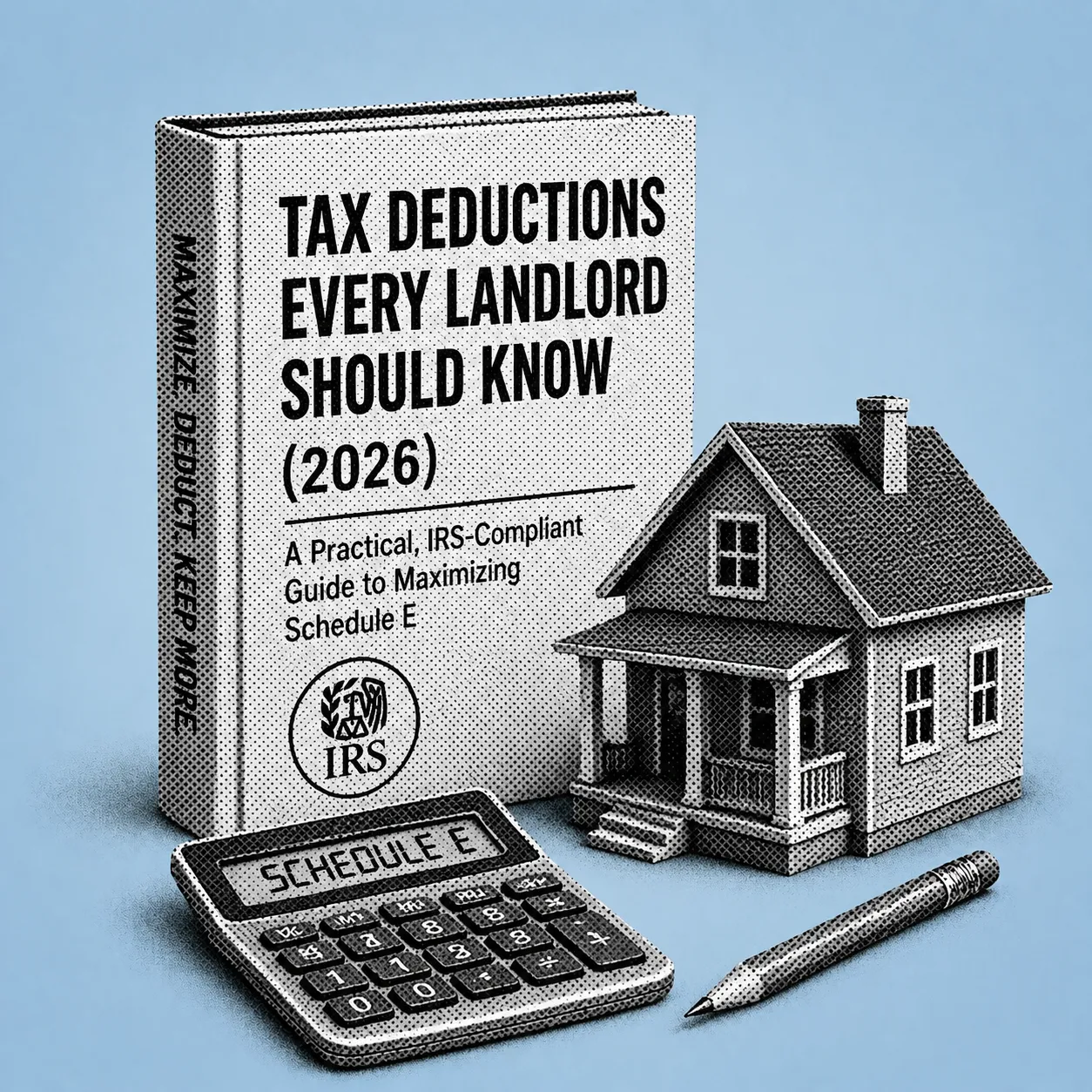
Tax Deductions Every Landlord Should Know (2026): A Practical, IRS-Compliant Guide to Maximizing Schedule E
Rental property can be one of the most tax-advantaged ways to build long-term wealth, but only if you claim the deductions you are entitled to and document them the way the IRS expects.
Miss a deduction and you overpay. Misclassify one, say calling a new roof a repair when it is an improvement, and you invite notices, disallowed expenses, penalties, and a stressful back-and-forth during an audit.
The hard part is not that deductions are hidden. It is that the rules are detailed: mortgage interest has tracing and allocation rules, points are usually amortized rather than deducted all at once, depreciation starts when the home is placed in service rather than when you close, and the repairs-versus-improvements line can change the timing of your write-off by years. The IRS lays much of this out in Publication 527 and Publication 946, but few landlords have time to translate those documents into a step-by-step system they can run all year.
This guide walks you through the major rental-property deductions for 2026, the when and how of claiming each one, and the record-keeping habits that keep you fully compliant.
What You Will Learn and Why It Matters
Most independent landlords understand the basics: collect rent, pay expenses, report net income on Schedule E. The real savings come from mastering three areas: what is deductible, when it is deductible, and how to substantiate it.
IRS guidance for residential rentals centers on Schedule E reporting and the rules in Publication 527 covering Residential Rental Property and Publication 946 covering How To Depreciate Property.
The six core deduction categories covered below are mortgage interest including points, refinances, and mixed-use allocations; depreciation covering 27.5-year building write-offs, appliances, and bonus depreciation; repairs versus improvements and how classification affects timing and audit risk; operating expenses and the everyday costs that are often missed; travel deductions covering what qualifies and how to document mileage; and home office and administrative costs covering when you can claim them and how to support the deduction.
Each section includes a plain-English definition, the IRS rule to anchor your decision, an eligibility checklist, a worked example, specific action steps, and one common pitfall to avoid.
The Six Deduction Categories: Step-by-Step Workflows
1. Mortgage Interest: Points, Refinances, and Tracing Rules
What it is: Mortgage interest is generally deductible as a rental expense when the debt is tied to your rental activity, meaning the loan proceeds were used to buy, build, or improve the rental property, or otherwise used for rental purposes under interest tracing rules. Publication 527 and Schedule E instructions emphasize proper reporting and allocation when a property has any personal-use component.
Core IRS compliance rule: If you refinance or do a cash-out refinance, you may need to allocate interest based on how the proceeds were used. You do not automatically get "all interest is rental" treatment. The temporary interest allocation regulations under 26 CFR §1.163-8T provide the tracing framework.
Eligibility checklist: The property is held out for rent or treated as a rental activity. The loan proceeds were used for rental acquisition, improvement, or operations and are traceable. You can substantiate with statements, an amortization schedule, and closing documents such as a Closing Disclosure.
Worked example: You buy a four-plex and pay $18,400 of mortgage interest in 2026. You rent all units all year. You generally deduct the full $18,400 on Schedule E as a rental expense, subject to passive loss limitations discussed in the FAQ. If you live in one unit representing 25% personal use, you typically allocate the interest between personal and rental based on a reasonable method such as square footage or unit count, deducting only the rental portion on Schedule E.
Points and loan fees: For rentals, points and origination fees are usually amortized over the life of the loan rather than deducted all at once. This is a common landlord miss that results in either a lost deduction or an improper full deduction in year one.
What to do now: Create a loan proceeds map. If you refinance, document exactly where cash-out funds went using invoices and a bank paper trail. This supports interest tracing under §1.163-8T. Also track points as an amortized asset by setting up a recurring monthly amortization entry so you do not forget a legitimate deduction that spans years.
Pitfall to avoid: Deducting 100% of interest on a cash-out refinance when part of the proceeds paid personal expenses. Without tracing and allocation documentation, that portion may be disallowed.
Mini case study: A duplex owner refinanced and used part of the cash-out to replace the HVAC, a rental improvement, and part to pay off personal credit cards. After organizing proceeds with bank transaction links and categorizing receipts, they deducted only the properly traceable interest on Schedule E, avoiding an all-or-nothing position that can collapse under scrutiny.
2. Depreciation: 27.5-Year Buildings, Appliances, and Recapture
What it is: Depreciation is the annual deduction for the wear-and-tear of your rental assets. Residential rental buildings are generally depreciated using MACRS over 27.5 years using the straight-line method with a mid-month convention. Depreciation typically begins when the property is placed in service, meaning ready and available for rent, not necessarily when you close on the purchase.
What counts: Your depreciable basis is usually the purchase price plus certain acquisition costs and later capital improvements, minus land value. Land is not depreciable. Publication 527 and Publication 946 provide the framework for basis and MACRS recovery.
Eligibility checklist: You own the property and use it for rental or income production. You can allocate land versus building value, often using local assessment records as a starting point. You track the placed-in-service date and improvement dates since the mid-month convention impacts the first-year deduction.
Worked example: You purchase a single-family rental for $400,000. Local records support allocating $80,000 to land and $320,000 to building. Your annual building depreciation is roughly $320,000 divided by 27.5 years, which equals approximately $11,636 per full year before first-year mid-month adjustments. You report depreciation on Form 4562 and flow it to Schedule E.
Appliances and shorter-life assets: Items like appliances, carpeting, and some building components may have shorter recovery periods than the 27.5-year building, often five, seven, or fifteen years, which can accelerate deductions, especially when paired with a well-supported cost segregation approach.
Bonus depreciation: Current practitioner guidance indicates 100% bonus depreciation was restored for qualifying property placed in service after January 19, 2025 under interim guidance. This generally applies to assets with recovery periods of 20 years or less and does not apply to the 27.5-year building itself. Confirm eligibility by asset type and placed-in-service date and document thoroughly before claiming.
What to do now: Separate assets in your books from day one by tracking building, land improvements, and personal property as distinct categories so you are not stuck reconstructing five years of records. Treat every major improvement as its own depreciation schedule since a roof, remodel, or new HVAC is typically a new asset placed in service when completed rather than a retroactive addition to the original building basis.
Pitfall to avoid: Skipping depreciation because it feels complicated. Depreciation can still affect gain calculations and may be subject to recapture rules when you sell under the unrecaptured Section 1250 gain concept. Not claiming depreciation does not make recapture go away.
Mini case study: A four-plex owner replaced all unit refrigerators and added new carpeting. By tracking each purchase as a separate asset class rather than burying it in the repairs category, they captured faster depreciation on personal property and kept clean support files including invoice, installation date, and unit assignment, which simplified Form 4562 reporting at tax time.
3. Repairs vs. Improvements: The Line That Changes Timing and Scrutiny
What it is: Repairs are generally costs that keep your property in ordinarily efficient operating condition and are often deductible in the year paid or incurred. Improvements generally add value, prolong useful life, or adapt the property to a new use and are typically capitalized and depreciated. Publication 527 instructs landlords to treat improvements differently from repairs.
Why it matters: This classification is one of the most common places landlords get into trouble because the tax impact is immediate. A $9,000 repair might be fully deductible now, but a $9,000 improvement may be spread over years. Tax court outcomes often turn on documentation, consistency, and the facts and circumstances of the specific work performed.
Eligibility checklist: Did the work fix a specific issue, which points toward a repair, or upgrade or replace a major component, which often points toward an improvement? Is the work part of a larger renovation plan, which typically points toward capitalization? Do you have itemized invoices describing labor, materials, and scope, which are critical support in any dispute?
Worked example: You pay $650 to patch a small roof leak and replace damaged shingles. This is often a repair. But a $14,500 full roof replacement is typically an improvement that would be depreciated as a separate asset. Publication 527 explains that improvements must be recovered through depreciation rather than expensed like routine repairs.
What to do now: Split invoices when possible. If a contractor can separately invoice repair items versus betterment items, you have stronger support for the portion currently deductible in the year incurred. Also write a one-paragraph purpose memo for big projects. Save a short note explaining what failed, what you did, and why it qualifies as a repair or improvement. Pair it with before and after photos and the invoice.
Pitfall to avoid: Calling turnover work a repair when it is clearly a remodel with new kitchen cabinets, layout changes, or full flooring replacement across a unit. Those facts can undermine credibility if the return is examined.
Mini case study: A short-term rental host renovated a bathroom and also fixed a running toilet in a different unit. By categorizing the toilet repair as repairs and maintenance and capitalizing the bathroom renovation as an improvement with its own placed-in-service date, the host kept records clean and avoided an end-of-year scramble to reclassify expenses after the fact.
4. Operating Expenses: The Everyday Deductions That Add Up
What they are: Operating expenses are ordinary and necessary costs to manage, conserve, and maintain your rental property. They are typically deducted in the year incurred and reported on Schedule E in categories including advertising, cleaning and maintenance, commissions, insurance, legal and professional fees, management fees, utilities, and supplies. Publication 527 and Schedule E instructions emphasize allocating costs when a property has mixed rental and personal use.
What landlords commonly miss: Bank charges tied to rental accounts. Tenant screening fees. Software subscriptions used for rental bookkeeping. Small tools and supplies used exclusively for maintenance. Professional services including CPA fees, attorney fees for drafting a lease, and eviction filing fees, though deductibility of legal fees depends on facts and timing and can be nuanced.
Worked example: You self-manage a single-family rental. In 2026 you pay $1,450 in insurance, $650 for lawn care, $310 in listing fees, $980 to a plumber, $1,200 for CPA and tax prep, and $720 for a bookkeeping subscription used solely for your rentals. These are generally operating expenses deductible on Schedule E, subject to capitalization rules if any invoice is actually for an improvement.
What to do now: Use Schedule E categories all year rather than only at tax time. If you bucket expenses the way Schedule E expects throughout the year, you reduce errors and rework at filing. Also attach every expense to a property and a purpose. Multi-property landlords should tag each receipt to a specific address or unit and category so that any question about what was spent where can be answered in seconds.
Pitfall to avoid: Lumping large vague totals into one line such as calling everything repairs or other without supporting invoices. If you are ever asked to substantiate, you want a clean trail showing payee, date, amount, purpose, property, and supporting document.
5. Travel Deductions: Mileage, Trips, and Documentation
What they are: Travel costs can be deductible when they are ordinary and necessary for your rental activity, covering property visits for repairs, meeting contractors, buying supplies, or collecting rents where applicable. The catch is that travel is easy to abuse and easy to document poorly, which makes it a frequent scrutiny point.
IRS anchor: While Publication 463 is the IRS travel and vehicle substantiation guide, the key principle is consistent documentation covering business purpose, date, destination, and mileage or expense records.
Eligibility checklist: The trip is primarily for rental business. You can document date, miles, and purpose. You allocate mixed-purpose trips and claim only the business portion.
Worked example: You drive 18 miles round-trip to meet a plumber at your rental, then 12 miles round-trip to pick up a replacement smoke detector. You log each trip with date, starting and ending odometer reading or an app mileage capture, the property address, and the purpose. Your deduction is total miles multiplied by the applicable IRS standard mileage rate for the tax year.
What to do now: Log mileage in real time rather than reconstructing it later. Reconstructed logs are weak if questioned. Use an app or a simple form that captures purpose and property for each trip at the time it happens. Keep receipts for away-from-home travel. If you travel overnight primarily for rental business, retain lodging receipts and a schedule showing the business activities conducted.
Pitfall to avoid: Claiming commuting miles as rental travel. Driving from home to your W-2 job or any unrelated workplace is not rental business mileage, and mixing categories is a classic red flag.
Mini case study: A small-portfolio landlord with three properties was consistently under-claiming travel because receipts and mileage records were scattered. After switching to a system that captures trips and ties them to properties, they stopped missing deductible supply runs and contractor visits and reduced time spent reconstructing mileage records at year-end.
6. Home Office and Administrative Costs: When You Can Legitimately Claim Them
What they are: Home-office and administrative costs can be deductible when you use part of your home regularly and exclusively for managing your rental activity and it is your principal place of business for that activity. Even if you do not qualify for a home-office deduction, you may still deduct direct administrative expenses tied to rentals including postage, a dedicated phone line, office supplies, and bookkeeping and tax preparation costs when they are ordinary and necessary.
Eligibility checklist for the home office: Regular and exclusive use of a specific area. Used for rental management activities including communications, bookkeeping, tenant screening, and lease work. You can substantiate with a simple floor plan measurement, photos, and utility bills.
Worked example: You manage a four-plex from a dedicated 120 square foot office in a 1,200 square foot home, representing 10% of the space. If eligible, you may allocate 10% of qualifying home expenses such as utilities and certain maintenance to your rental administrative activity, plus deduct 100% of direct office expenses like a desk or printer used solely for rentals, subject to depreciation rules for equipment.
What to do now: Separate admin from property expenses. Tag costs as either property-specific such as Unit 2 plumbing or portfolio admin such as bookkeeping and office supplies. This prevents double-counting and makes Schedule E preparation cleaner at filing time.
Pitfall to avoid: Claiming a home office that is not exclusive, such as a dining table or shared guest room. If you cannot defend exclusivity, focus instead on the clearly deductible administrative expenses you can fully support such as tax preparation fees, software subscriptions, postage, and a dedicated landlord phone line.
Mini case study: A single-family landlord tried to claim a home office but realized the space doubled as a guest room. They skipped the home-office allocation and instead tightened administrative deductions they could fully support, keeping their file clean and defensible without sacrificing legitimate write-offs.
Year-Round Checklist: Stay Audit-Ready
Create a separate bank account and card for rental activity to keep funds clearly segregated from personal transactions.
Save your Closing Disclosure and loan documents and track points and origination fees for amortization over the life of the loan rather than treating them as a single-year deduction.
Maintain a fixed-asset list covering building basis less land, improvements, appliances, and other depreciable items with placed-in-service dates for each.
Categorize every transaction to a Schedule E category and a specific property or unit at the time it happens rather than sorting it all at year-end.
Store invoices, receipts, and contracts with short notes indicating what was purchased, why it was purchased, and which property it relates to.
Keep mileage and travel logs contemporaneously with date, miles, purpose, and property recorded at the time of each trip.
Review the repairs-versus-improvements classification quarterly and reclassify before year-end if needed rather than discovering a misclassification during filing.
Frequently Asked Questions
When do I report rental income and expenses on Schedule E?
You generally report rental income and deductible expenses annually on Schedule E with your Form 1040. The Schedule E instructions explain the expense categories and how to report them consistently. All rental income received during the year is reported, and deductible expenses are listed by category for each property.
Can I depreciate appliances separately from the building?
Often yes. Publication 946 explains that different assets can have different recovery periods under MACRS. Appliances and certain personal property typically depreciate over shorter lives than the 27.5-year building, which can accelerate deductions when tracked and documented correctly from the time of purchase.
What are passive loss limits and can they reduce my deduction this year?
Rental real estate is commonly treated as a passive activity with limited exceptions, which can restrict how much loss you can use against other income in a given year. If losses are limited under the passive activity rules, they typically carry forward to future years when you have passive income or sell the property.
If I did not take depreciation in prior years, can I fix it?
Often yes, but the correction method depends on the facts and may involve an accounting method change filed with the IRS. At a minimum, understand that depreciation affects gain calculations and may be subject to recapture rules when you sell, regardless of whether you actually claimed the deductions in prior years. Consult a tax professional before attempting a catch-up correction.
If you want to maximize deductions and reduce compliance stress, make this your operational standard: every expense should be categorized to the right Schedule E line, tied to the right property or unit, and backed by a retrievable source document. Start by running a Schedule E readiness check using the checklist above.
Book a demo to see how Shuk's expense tracking, receipt organization, and property-level categorization tools help you keep records tax-ready throughout the year rather than scrambling at filing time.
Maintenance & Repairs: A Practical Guide to Rental Property Maintenance for Landlords
Effective rental property maintenance is one of the most important responsibilities for landlords and property managers. Well-managed maintenance and repairs reduce vacancies, protect property value, and improve tenant satisfaction. Poor maintenance, on the other hand, leads to higher costs, legal risk, and negative tenant experiences.
This guide explains how landlords can manage maintenance and repairs efficiently, using clear workflows, preventive strategies, and modern tools-without overcomplicating daily operations.
This guide is part of our rental management guides for independent landlords, covering the key workflows involved in managing rental properties efficiently.
What Is Rental Property Maintenance?
Rental property maintenance refers to the ongoing process of keeping a rental unit safe, functional, and compliant with housing standards. It includes routine upkeep, preventive maintenance, emergency repairs, and tenant-reported issues.
For landlords, maintenance is not optional. It directly impacts:
- Tenant retention
- Property value
- Legal compliance
- Long-term operating costs
Maintenance and Repairs for Landlords: Core Responsibilities
Landlords are typically responsible for maintaining:
- Plumbing, electrical, and HVAC systems
- Structural elements (walls, roofs, flooring)
- Safety features such as smoke detectors and locks
- Appliances provided with the rental unit
Understanding landlord maintenance responsibilities helps avoid disputes and ensures faster resolution of repair requests.
Most maintenance issues originate from tenant requests, making communication workflows critical.
How to Manage Rental Maintenance Requests Efficiently
Handling maintenance requests manually often leads to delays and missed issues. A structured rental maintenance management process improves response time and transparency.
Best practices include:
- Centralizing all maintenance requests in one system
- Categorizing issues by urgency
- Assigning clear response timelines
- Keeping tenants informed throughout the repair process
This approach helps landlords stay organized and reduce unnecessary follow-ups.
Responsive maintenance is one of the primary ways landlords build a reputation that drives renewals - see the standing out as a quality landlord guide for the full service standards framework.
Preventive Maintenance for Rental Properties
Preventive maintenance for rental properties focuses on identifying and fixing small issues before they become costly repairs.
Examples include:
- Seasonal HVAC inspections
- Plumbing leak checks
- Roof and gutter inspections
- Appliance servicing
Preventive maintenance reduces emergency repairs and extends the life of major systems.
Timely maintenance plays a major role in tenant retention and renewal decisions.
Handling Emergency Repairs in Rental Properties
Emergency repairs involve issues that affect health, safety, or habitability-such as water leaks, power failures, or heating system breakdowns.
To manage emergencies effectively:
- Define what qualifies as an emergency
- Establish 24/7 response protocols
- Pre-approve vendors for urgent repairs
- Track response and resolution times
Clear emergency workflows reduce tenant frustration and legal exposure.
Property Repairs Management and Vendor Coordination
Reliable vendors are essential for effective property repairs management. Landlords should focus on:
- Licensing and insurance verification
- Response time reliability
- Quality of completed work
- Clear communication standards
Documenting expectations helps maintain consistency and accountability across vendors.
Using Technology for Rental Maintenance Management
Modern rental maintenance management tools help landlords:
- Track maintenance requests
- Prioritize urgent repairs
- Coordinate vendors
- Maintain repair history records
Technology simplifies maintenance operations and provides visibility across multiple properties without increasing administrative workload.
Maintenance Workflow Checklist for Landlords
Use this checklist to manage maintenance and repairs consistently:
- Log all tenant maintenance requests
- Categorize by urgency (routine vs emergency)
- Assign tasks to approved vendors
- Track repair progress and completion
- Confirm resolution with tenants
- Review recurring issues for preventive action
Frequently Asked Questions (FAQ)
What is rental property maintenance?
Rental property maintenance includes routine upkeep, preventive care, and repairs required to keep rental units safe, functional, and compliant with regulations.
What maintenance is a landlord responsible for?
Landlords are generally responsible for structural elements, essential systems, safety features, and appliances provided with the rental.
How should landlords handle maintenance requests?
Landlords should centralize requests, prioritize urgent issues, communicate timelines clearly, and document all repairs.
What qualifies as an emergency repair?
Emergency repairs involve issues that affect safety or habitability, such as water leaks, heating failures, or electrical hazards.
Why is preventive maintenance important for rental properties?
Preventive maintenance reduces long-term repair costs, prevents emergencies, and improves tenant satisfaction.
Conclusion
Managing maintenance and repairs becomes significantly easier when requests, priorities, and repair histories are organized in one place. Many landlords choose to use rental management platforms like Shuk Rentals to centralize maintenance requests, track repairs, coordinate vendors, and maintain clear communication with tenants-helping reduce delays and improve overall efficiency without increasing administrative workload.

Tenant Communication Strategies: A Practical Guide for Landlords
Strong tenant communication strategies are a foundation of successful rental property management. Clear, timely, and documented communication helps landlords reduce disputes, improve tenant retention, and stay compliant with housing regulations.
This guide is part of the Landlord Challenges hub for independent landlords managing 1 to 20 units.
This guide explains how landlords can communicate with tenants effectively throughout the rental lifecycle-covering communication channels, response standards, documentation, and conflict handling.
This article is part of the rental management guides series for independent landlords and property managers.
What Are Tenant Communication Strategies?
Tenant communication strategies refer to the systems, channels, and processes landlords use to share information, handle requests, and maintain clear two-way communication with tenants.
Effective communication supports:
- Tenant satisfaction and trust
- Faster issue resolution
- Legal compliance
- Lower tenant turnover
For the broader operational picture of how communication quality affects tenant retention and landlord reputation, see the standing out as a quality landlord guide.
Tenant communication doesn’t stop at messages-it directly impacts maintenance outcomes and lease renewals.
Why Effective Landlord-Tenant Communication Matters
Poor communication is one of the most common causes of tenant dissatisfaction and early move-outs. Missed messages, unclear expectations, or undocumented conversations can also lead to legal disputes.
For new landlords, a strong communication system starts with understanding the basics of getting started as a landlord and setting expectations early.
Well-defined landlord tenant communication best practices help landlords:
- Set clear expectations
- Respond consistently
- Reduce misunderstandings
- Maintain professional boundaries
Choosing the Right Communication Channels
Landlords should identify and standardize approved communication channels early in the tenancy.
Common channels include:
- Email for official notices and documentation
- Text messages for quick updates (with consent)
- Tenant portals for requests and announcements
- Phone calls for urgent or sensitive matters
Using consistent channels improves response times and record-keeping.
Setting Communication Response Standards
Tenants expect predictable responses. Establishing response timelines improves trust and reduces follow-ups.
Best practices include:
- Emergency issues: immediate acknowledgement
- Maintenance requests: response within 24-48 hours
- General inquiries: response within one business day
Clear response standards are a core part of tenant communication best practices.
Automating Routine Tenant Communication
Automation helps landlords reduce manual work while keeping tenants informed.
Many routine reminders work best when paired with clear rent collection strategies that reduce missed payments and follow-ups.
Examples of automated communication:
- Rent due reminders
- Maintenance status updates
- Lease renewal notices
- Policy or building updates
Automation ensures consistency without losing professionalism.
Documenting Tenant Communication for Compliance
Maintaining a written record of tenant communication protects both parties. Documentation is especially important for:
- Maintenance approvals
- Lease changes
- Notices and warnings
- Dispute resolution
Following up verbal conversations with written summaries helps avoid confusion and supports compliance.
Handling Conflicts and Sensitive Conversations
Conflicts should be handled with clarity, empathy, and consistency.
Best practices for conflict communication:
- Stick to documented facts
- Use neutral, professional language
- Avoid emotional responses
- Escalate issues when required by law
Structured communication reduces escalation and protects landlord credibility.
Two-Way Communication and Feedback
Encouraging tenant feedback helps landlords identify issues early and improve retention.
Examples include:
- Post-maintenance feedback
- Periodic satisfaction surveys
- Renewal feedback conversations
Two-way communication strengthens long-term tenant relationships.
Tenant Communication Checklist for Landlords
- Define approved communication channels
- Set response time standards
- Automate routine messages
- Document all important interactions
- Train anyone communicating with tenants
- Review communication processes regularly
Frequently Asked Questions
What is the best way for landlords to communicate with tenants?
The best approach combines written communication for documentation with quick channels like portals or texts for timely updates.
Are landlords allowed to text tenants?
Yes, but consent is required in many regions. Landlords should also provide opt-out options.
How should landlords document verbal conversations?
Follow up verbal discussions with a written summary via email or secure messaging.
How often should landlords communicate with tenants?
Communication should be proactive but not excessive-mainly for maintenance, notices, and important updates.
Why is tenant communication important in property management?
Clear communication reduces disputes, improves satisfaction, and supports legal compliance.
Conclusion: Simplifying Tenant Communication
Managing tenant communication becomes easier when messages, requests, and records are centralized. Platforms like Shuk Rentals help landlords organize tenant conversations, track requests, automate routine updates, and maintain clear communication-supporting stronger tenant relationships without increasing administrative workload.
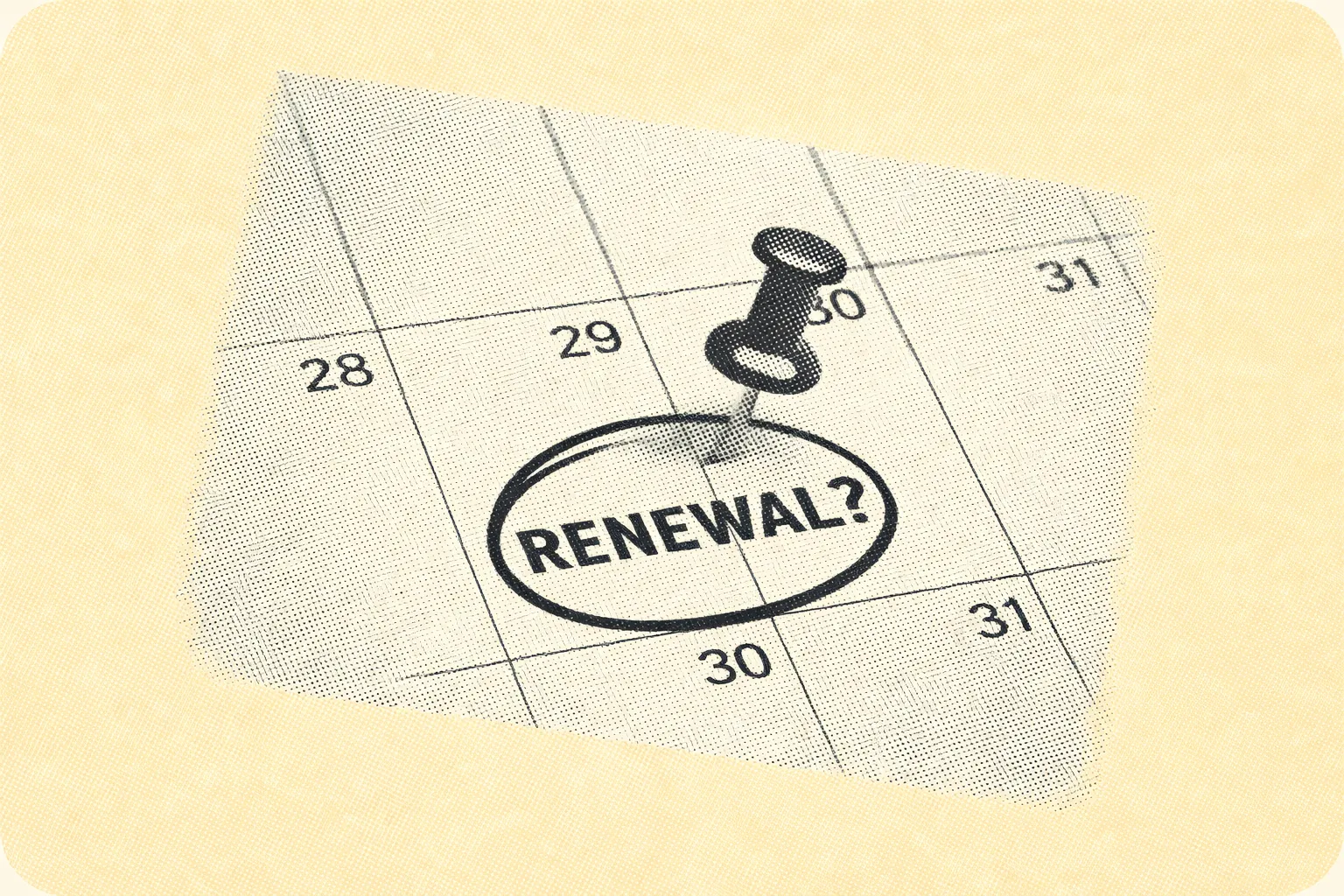
Lease Renewal Management: A Practical Guide for Landlords
Effective lease renewal management plays a critical role in tenant retention, vacancy reduction, and predictable rental income. A well-planned renewal process helps landlords avoid unnecessary turnover costs while maintaining strong tenant relationships.
This guide explains how landlords can manage lease renewals efficiently using structured workflows, clear communication, and compliant processes.
This guide is part of our rental management guides hub covering the full landlord operations workflow.
What Is Lease Renewal Management?
Lease renewal management is the process of tracking lease expirations, communicating with tenants, adjusting terms when needed, and finalizing renewed agreements in a timely and legally compliant manner.
Strong lease renewal practices help landlords:
- Reduce vacancy periods
- Improve tenant retention
- Maintain steady cash flow
- Avoid last-minute legal or operational issues
Why Lease Renewal Management Matters for Landlords
Tenant turnover is expensive and time-consuming. Poor renewal planning often leads to rushed decisions, missed notices, and avoidable vacancies.
Effective lease renewal management for landlords ensures:
- Early visibility into tenant intentions
- Smoother negotiations
- Better planning for rent adjustments
- Consistent compliance with local laws
For the full financial case for why proactive renewal outperforms reactive leasing, see the reducing vacancy costs guide.
The renewal timeline
When to do what, working back from lease end
Six months of lead time turns renewals from a 30-day scramble into a planned conversation.
6 mo
Track
Calendar every lease ending in the next six months in one view.
5 to 3 mo
Signal
Check in informally. Renewal doubt almost always shows up here, months before the 30-day notice window.
2 mo
Decide
Set the rent and draft the renewal terms. State notice rules set your deadline.
1 mo
Notify
Send the formal renewal offer on the timeline your state requires.
Lease end
Finalize
Sign the renewal, or start listing the unit. With early signal, neither outcome is a scramble.
Shuk's Lease Indication Tool sits in the signal phase, polling tenants at 6, 5, 4, and 3 months to flag renewal doubt early.
For the step-by-step early renewal conversation framework starting 6 months before expiration, see the early lease renewal strategies guide.
Step-by-Step Lease Renewal Management Process
1. Track Lease Expiration Dates Early
Start monitoring lease end dates at least 90 days in advance. Early tracking gives landlords time to assess tenant satisfaction and plan next steps.
2. Understand Tenant Renewal Intentions
Communicate proactively with tenants to understand whether they plan to renew. Early conversations help address concerns and reduce unexpected move-outs.
3. Review Legal Notice Requirements
Lease renewals and rent changes must follow local and state regulations. Landlords should confirm notice periods, rent increase limits, and documentation requirements before initiating renewals.
4. Plan Rent Adjustments Carefully
When adjusting rent, consider:
- Market conditions
- Property improvements
- Tenant history and reliability
Balanced decisions improve acceptance rates and long-term retention.
5. Maintain Clear Renewal Communication
Strong tenant communication strategies help landlords discuss renewals early and reduce avoidable turnover.
Clear, timely communication helps avoid misunderstandings. Provide tenants with:
- Renewal timelines
- Updated terms (if any)
- Next steps for confirmation
Consistency builds trust and improves renewal outcomes.
6. Finalize Renewals Efficiently
Once terms are agreed upon, complete the renewal process promptly. Digital documentation and clear records help reduce delays and administrative effort.
Successful lease renewals are rarely about pricing alone. Strong rent collection strategies and clear communication also influence renewal decisions.
Lease Renewal Checklist for Landlords
- Track lease expiration dates
- Confirm tenant renewal intent
- Review legal notice requirements
- Plan rent adjustments
- Communicate renewal terms clearly
- Finalize and document agreements
Frequently Asked Questions
When should landlords start the lease renewal process?
Most landlords begin lease renewal discussions 60-90 days before the lease expires.
Can landlords increase rent during renewal?
Yes, provided the increase follows local regulations and required notice periods.
What happens if a tenant does not respond to a renewal notice?
Landlords should follow up promptly and prepare for either renewal or vacancy planning.
Is digital lease renewal legally valid?
In most regions, digitally signed lease renewals are legally valid when properly documented.
Conclusion: Simplifying Lease Renewal Management
Managing lease renewals becomes easier when landlords have clear visibility into lease timelines, tenant intentions, and compliance requirements. Platforms like Shuk Rentals help landlords stay organized by centralizing lease tracking, renewal workflows, and communication-supporting smoother renewals and better tenant retention without adding operational complexity.

Lease Management Basics: A Practical Guide for Landlords
Lease management is a core part of rental property management and directly impacts compliance, cash flow, and tenant relationships. For landlords, effective lease management means creating legally sound agreements, tracking lease terms, managing renewals, and maintaining accurate records throughout the lease lifecycle.
For those getting started as a landlord, understanding lease management is a critical foundation.
This guide explains lease management basics step by step, helping landlords understand how to manage rental leases efficiently while reducing manual work, legal risk, and operational errors.
This guide is part of our rental management guides series designed to help landlords manage the full rental lifecycle.
What Is Lease Management in Rental Property Management?
Lease management refers to the process of creating, executing, tracking, updating, and renewing lease agreements for rental properties. It ensures that lease terms, legal requirements, rent schedules, and responsibilities are clearly defined and consistently followed.
For the full list of what a lease must include before it is signed - federal disclosures, state-specific addenda, and operational compliance standards - see the lease agreement legal requirements guide.
As part of the broader rental property management process, lease management helps landlords stay compliant, avoid disputes, and maintain predictable rental income.
Why Lease Management Is Important for Landlords
Effective lease management protects both landlords and tenants. Poorly managed leases can lead to compliance issues, missed renewals, payment disputes, and unnecessary vacancies.
Strong lease management helps landlords:
- Maintain legal compliance
- Reduce administrative errors
- Improve tenant satisfaction
- Streamline renewals and rent increases
- Maintain clear documentation for audits or disputes
Lease Management Basics: Preparing a Legally Compliant Lease
Preparing a lease requires understanding both federal and state-specific regulations. Lease agreements must follow fair housing laws and include required disclosures, security deposit terms, and notice periods.
Landlords should ensure lease agreements clearly define:
- Lease duration and renewal terms
- Rent amount and payment schedule
- Security deposit conditions
- Maintenance responsibilities
- Termination and notice requirements
Accurate and compliant lease preparation is a foundational landlord responsibility.
How Digital Lease Management Improves Efficiency
Digital lease management tools simplify how landlords create, sign, and store lease agreements. Electronic signatures are legally recognized in many jurisdictions and reduce delays caused by manual paperwork.
Using digital lease tools improves landlord efficiency by:
- Reducing time spent on lease execution
- Minimizing document errors
- Improving accessibility to lease records
- Supporting remote tenant onboarding
Tracking Lease Terms, Payments, and Compliance
Lease administration becomes more effective when paired with strong tenant communication strategies throughout the tenancy.
Tracking lease terms is essential to avoid missed renewals or compliance gaps. Landlords should monitor:
- Lease start and end dates
- Rent payment schedules
- Late fees and grace periods
- Required legal updates
When combined with digital rent collection methods and compliance reviews, lease tracking supports consistent cash flow and reduces disputes.
Lease Renewals and Tenant Retention Best Practices
Lease renewal management plays a major role in reducing vacancies. Proactive renewal planning helps landlords anticipate tenant decisions and prepare offers or adjustments early.
Lease agreements should clearly define payment terms that support effective rent collection strategies.
Best practices for lease renewals include:
- Reviewing lease performance before expiration
- Communicating renewal options early
- Adjusting terms based on market conditions
- Documenting all renewal agreements clearly
Well-managed renewals improve tenant retention and long-term rental stability.
Common Lease Management Mistakes Landlords Should Avoid
Landlords often encounter lease management issues due to avoidable mistakes, including:
- Ignoring state-specific lease laws
- Using outdated lease templates
- Manually tracking lease dates
- Failing to document amendments or renewals
- Delayed communication with tenants
Avoiding these mistakes reduces legal exposure and operational stress.
Step-by-Step Lease Management Checklist
Below is a practical checklist to manage rental leases effectively:
- Verify federal and state compliance requirements
- Use clear, legally compliant lease templates
- Implement secure digital signing
- Track lease terms and renewal dates
- Automate rent collection where possible
- Document amendments and renewals
- Maintain centralized lease records
- Communicate renewal timelines clearly
This checklist helps landlords maintain consistent and organized lease management processes.
Frequently Asked Questions
What is lease management in rental properties?
Lease management is the process of creating, tracking, updating, and renewing lease agreements while ensuring legal compliance and clear communication between landlords and tenants.
Why is lease management important for landlords?
Effective lease management reduces legal risk, prevents missed renewals, improves rent collection, and supports long-term tenant retention.
Can landlords manage leases without digital tools?
Yes, but manual lease management increases the risk of errors, missed deadlines, and document loss. Many landlords use digital tools to improve accuracy and efficiency.
Are electronic lease agreements legally valid?
In many regions, electronic lease agreements are legally valid when they comply with applicable electronic signature and recordkeeping laws.
How can landlords improve lease renewal rates?
Landlords can improve renewal rates by tracking lease expirations early, communicating renewal options clearly, and maintaining positive tenant relationships.
Simplifying Lease Management for Landlords
To reduce manual work and improve visibility across lease terms, many landlords use rental management platforms like Shuk Rentals to manage leases, rent payments, renewals, and tenant communication in one system.
Getting Started as a Landlord: A Step-by-Step 90-Day Beginner’s Guide
Getting started as a landlord involves more than listing a property and collecting rent. Rental management includes legal compliance, tenant screening, lease agreements, rent collection, property maintenance, accounting, and ongoing tenant communication.
For a step-by-step guide to running and interpreting credit, eviction, and criminal background checks compliantly, see the tenant background check guide.
This beginner-friendly guide explains rental property management basics step by step, helping first-time landlords build the right systems during their first 90 days and avoid common mistakes that lead to stress, vacancies, or legal issues.
This guide is part of our rental management guides hub for landlords building strong rental systems from day one.
What Is Rental Management for Landlords?
Rental management refers to the process of overseeing a rental property from tenant onboarding to rent collection, maintenance, and financial tracking. For landlords, this means balancing legal responsibilities, operational tasks, and tenant relationships while ensuring the property remains profitable and compliant.
Effective rental management helps landlords reduce vacancies, manage tenants efficiently, and maintain consistent rental income.
Before collecting a security deposit, confirm the rules for your state using the security deposit laws by state guide - caps, account requirements, and refund deadlines vary significantly by jurisdiction.
Key Responsibilities of a First-Time Landlord
Understanding landlord responsibilities early helps prevent costly errors. Core responsibilities include:
- Complying with federal, state, and local rental laws
- Marketing the rental property accurately
- Screening tenants fairly and consistently
- Creating legally compliant lease agreements
- Collecting rent on time
- Handling maintenance and repair requests
- Tracking rental income and expenses
Clear processes around these responsibilities form the foundation of successful rental property management.
If your rental property has a mortgage, use the free amortization calculator to understand how your payment splits between principal and interest each month - this makes your expense categorisation more accurate at tax time.
First-Time Landlord Checklist: What to Set Up in the First 90 Days
Below is a practical first-time landlord checklist to help new landlords stay organized:
- Understand federal, state, and local rental compliance requirements
- Prepare and market the property on trusted rental platforms
- Use a structured tenant screening process
- Draft legally compliant lease agreements
- Set up online rent collection methods
- Create a preventive maintenance schedule
- Track income, expenses, and documents accurately
- Establish clear communication channels with tenants
Following this checklist reduces confusion and helps landlords manage rental properties with confidence.
How Landlords Market Rental Properties Effectively
Effective marketing reduces vacancy time and attracts reliable tenants. Landlords should highlight unique property features, use competitive pricing, and present accurate descriptions supported by high-quality photos.
Listing properties on well-known rental platforms and responding quickly to inquiries improves visibility and speeds up tenant placement, helping landlords avoid extended vacancy losses.
Tenant Screening Checklist for New Landlords
Tenant screening is one of the most important landlord responsibilities. A consistent screening process helps reduce rent collection challenges and long-term maintenance issues.
A basic tenant screening checklist should include:
- Credit history review
- Background checks
- Income verification
- Rental history validation
Always obtain tenant consent and follow applicable fair housing and credit reporting regulations.
Rental Property Management Basics: Lease Agreements
A clear and legally compliant lease protects both landlords and tenants. Lease agreements should outline rent terms, payment schedules, maintenance responsibilities, and required disclosures.
Before signing your first lease, review the lease agreement legal requirements guide - it covers federally required disclosures, state-specific addenda, and how to execute a legally defensible lease.
Using digital lease management and electronic signatures helps landlords streamline paperwork while maintaining legal validity and record accuracy.
Creating clear rental agreements is an important early step. Understanding lease management basics helps landlords stay compliant and avoid future disputes.
Rent Collection Methods for New Landlords
Rent collection is more reliable when systems are simple and transparent. Many landlords now use online rent collection to reduce late payments and manual tracking.
Clear payment schedules, reminders, and documented records help landlords maintain consistent cash flow and minimize disputes.
Setting up clear rent collection strategies early helps landlords maintain consistent cash flow.
Before you buy your first rental, use the free cash flow calculator to check whether the property generates positive cash flow after all expenses and the mortgage.
Property Maintenance and Repair Management
Maintenance tracking is a proactive process. Regular inspections and prompt repairs prevent small issues from becoming expensive problems.
Building relationships with reliable contractors and maintaining clear maintenance records improves tenant satisfaction and supports long-term property value.
New landlords should also review a practical rental property maintenance guide to avoid delayed repairs and tenant complaints.
Accounting Essentials for Rental Properties
Accurate financial tracking is critical for rental success. Landlords should record:
- Rental income
- Maintenance expenses
- Utilities and service costs
- Tax-related deductions
Organized accounting simplifies tax preparation and gives landlords better visibility into property performance.
Before buying your first rental, use the free cap rate calculator to check whether the property is priced fairly - it calculates cap rate, NOI, and market value based on real income and expenses.
Communication Tools for Managing Tenants
Clear communication supports healthy landlord-tenant relationships. Establish professional boundaries using documented communication channels for maintenance requests, notices, and general inquiries.
Structured communication reduces misunderstandings and helps landlords manage tenants more efficiently.
Frequently Asked Questions
How do I start as a landlord for the first time?
Start by understanding rental laws, preparing the property, screening tenants carefully, and setting up systems for rent collection and maintenance. A structured rental management approach helps avoid early mistakes.
What does a landlord need to manage rental properties?
Landlords need legally compliant leases, tenant screening processes, rent collection methods, maintenance tracking, and reliable communication tools to manage rentals effectively.
Can a landlord manage rental property without experience?
Yes. First-time landlords can manage rental properties by following best practices, using checklists, and relying on rental management platforms to simplify daily tasks.
Do landlords need property management software?
While not mandatory, many landlords use rental management software to handle leases, rent collection, accounting, and tenant communication in one place.
What are common mistakes new landlords make?
Common mistakes include poor tenant screening, unclear lease terms, delayed maintenance, and manual rent tracking, which can increase stress and vacancy risk.
Next Best Step for First-Time Landlords
To simplify landlord responsibilities, many first-time landlords use rental management platforms like Shuk Rentals to manage leases, rent payments, maintenance, and tenant communication from a single system.
Frequently Asked Questions
Find answers to common questions about our products and services
How do I manage a rental property if I work full-time?
What are the biggest legal risks for landlords and property managers?
How much should I budget for repairs and maintenance?
Is online rent collection worth it for a small portfolio of 1 to 10 units?
What is the most effective way to reduce vacancy without cutting rent?
What is the biggest risk of scaling a rental portfolio without systems?
The rental management problems that cost landlords the most are almost always rooted in inconsistency: screening decisions applied differently across applicants, rent policies enforced selectively, maintenance requests tracked informally, and financial records assembled from memory rather than documented systems. Platforms like Shuk Rentals address this by bringing rent collection, maintenance tracking, lease management, tenant communication, and renewal workflows into one connected system so every tenancy runs on the same documented process.