



Rental Management Guides

Getting Started as a Landlord: Your Essential 90-Day Roadmap

photo of Miles Lerner, Blog Post Author
Miles Lerner

Getting Started as a Landlord: A Step-by-Step 90-Day Beginner’s Guide

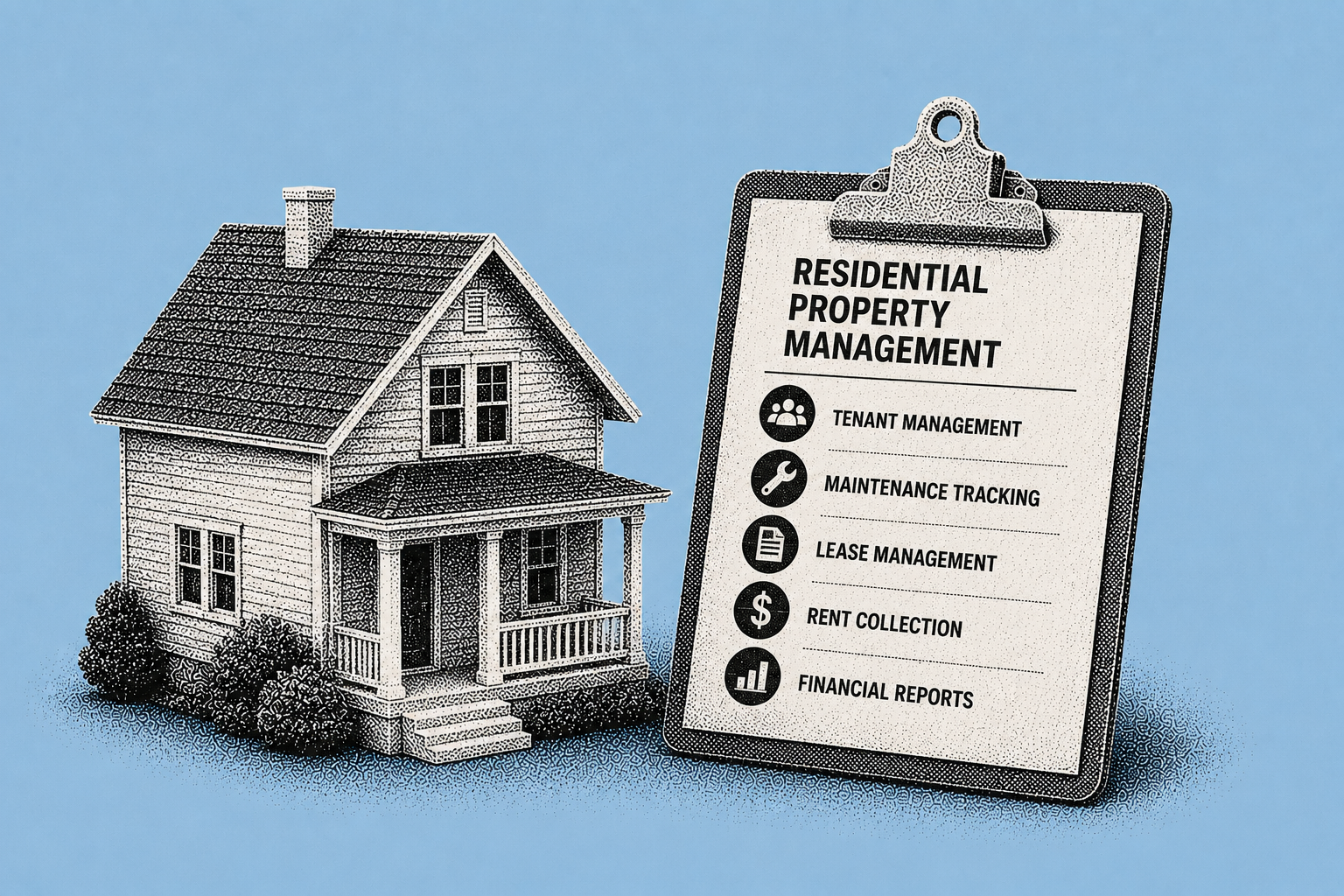
Getting started as a landlord involves more than listing a property and collecting rent. Rental management includes legal compliance, tenant screening, lease agreements, rent collection, property maintenance, accounting, and ongoing tenant communication.

This beginner-friendly guide explains rental property management basics step by step, helping first-time landlords build the right systems during their first 90 days and avoid common mistakes that lead to stress, vacancies, or legal issues.

What Is Rental Management for Landlords?

Rental management refers to the process of overseeing a rental property from tenant onboarding to rent collection, maintenance, and financial tracking. For landlords, this means balancing legal responsibilities, operational tasks, and tenant relationships while ensuring the property remains profitable and compliant.

Effective rental management helps landlords reduce vacancies, manage tenants efficiently, and maintain consistent rental income.

Key Responsibilities of a First-Time Landlord

Understanding landlord responsibilities early helps prevent costly errors. Core responsibilities include:

  • Complying with federal, state, and local rental laws

  • Marketing the rental property accurately

  • Screening tenants fairly and consistently

  • Creating legally compliant lease agreements

  • Collecting rent on time

  • Handling maintenance and repair requests

  • Tracking rental income and expenses

Clear processes around these responsibilities form the foundation of successful rental property management.

First-Time Landlord Checklist: What to Set Up in the First 90 Days

Below is a practical first-time landlord checklist to help new landlords stay organized:

  • Understand federal, state, and local rental compliance requirements

  • Prepare and market the property on trusted rental platforms

  • Use a structured tenant screening process

  • Draft legally compliant lease agreements

  • Set up online rent collection methods

  • Create a preventive maintenance schedule

  • Track income, expenses, and documents accurately

  • Establish clear communication channels with tenants

Following this checklist reduces confusion and helps landlords manage rental properties with confidence.

How Landlords Market Rental Properties Effectively

Effective marketing reduces vacancy time and attracts reliable tenants. Landlords should highlight unique property features, use competitive pricing, and present accurate descriptions supported by high-quality photos.

Listing properties on well-known rental platforms and responding quickly to inquiries improves visibility and speeds up tenant placement, helping landlords avoid extended vacancy losses.

Tenant Screening Checklist for New Landlords

Tenant screening is one of the most important landlord responsibilities. A consistent screening process helps reduce rent collection challenges and long-term maintenance issues.

A basic tenant screening checklist should include:

  • Credit history review

  • Background checks

  • Income verification

  • Rental history validation

Always obtain tenant consent and follow applicable fair housing and credit reporting regulations.

Rental Property Management Basics: Lease Agreements

A clear and legally compliant lease protects both landlords and tenants. Lease agreements should outline rent terms, payment schedules, maintenance responsibilities, and required disclosures.

Using digital lease management and electronic signatures helps landlords streamline paperwork while maintaining legal validity and record accuracy.

Rent Collection Methods for New Landlords

Rent collection is more reliable when systems are simple and transparent. Many landlords now use online rent collection to reduce late payments and manual tracking.

Clear payment schedules, reminders, and documented records help landlords maintain consistent cash flow and minimize disputes.

Property Maintenance and Repair Management

Maintenance tracking is a proactive process. Regular inspections and prompt repairs prevent small issues from becoming expensive problems.

Building relationships with reliable contractors and maintaining clear maintenance records improves tenant satisfaction and supports long-term property value.

Accounting Essentials for Rental Properties

Accurate financial tracking is critical for rental success. Landlords should record:

  • Rental income

  • Maintenance expenses

  • Utilities and service costs

  • Tax-related deductions

Organized accounting simplifies tax preparation and gives landlords better visibility into property performance.

Communication Tools for Managing Tenants

Clear communication supports healthy landlord-tenant relationships. Establish professional boundaries using documented communication channels for maintenance requests, notices, and general inquiries.

Structured communication reduces misunderstandings and helps landlords manage tenants more efficiently.

Frequently Asked Questions

How do I start as a landlord for the first time?

Start by understanding rental laws, preparing the property, screening tenants carefully, and setting up systems for rent collection and maintenance. A structured rental management approach helps avoid early mistakes.

What does a landlord need to manage rental properties?

Landlords need legally compliant leases, tenant screening processes, rent collection methods, maintenance tracking, and reliable communication tools to manage rentals effectively.

Can a landlord manage rental property without experience?

Yes. First-time landlords can manage rental properties by following best practices, using checklists, and relying on rental management platforms to simplify daily tasks.

Do landlords need property management software?

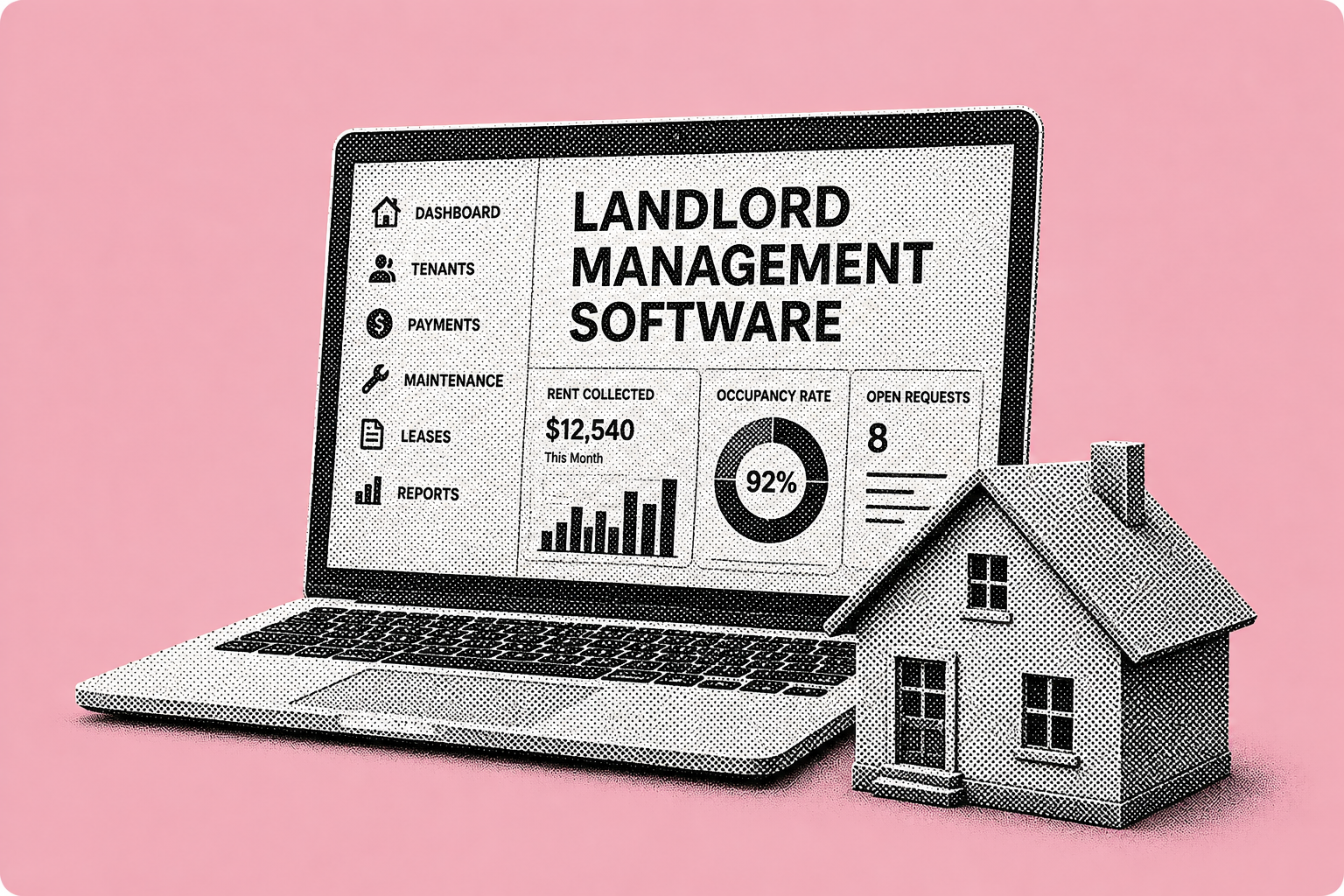
While not mandatory, many landlords use rental management software to handle leases, rent collection, accounting, and tenant communication in one place.

What are common mistakes new landlords make?

Common mistakes include poor tenant screening, unclear lease terms, delayed maintenance, and manual rent tracking, which can increase stress and vacancy risk.

Next Best Step for First-Time Landlords

To simplify landlord responsibilities, many first-time landlords use rental management platforms like Shuk Rentals to manage leases, rent payments, maintenance, and tenant communication from a single system.

QUICK VIEW
Stay in the Shuk Loop

Getting Started as a Landlord: A Step-by-Step 90-Day Beginner’s Guide

Getting started as a landlord involves more than listing a property and collecting rent. Rental management includes legal compliance, tenant screening, lease agreements, rent collection, property maintenance, accounting, and ongoing tenant communication.

This beginner-friendly guide explains rental property management basics step by step, helping first-time landlords build the right systems during their first 90 days and avoid common mistakes that lead to stress, vacancies, or legal issues.

What Is Rental Management for Landlords?

Rental management refers to the process of overseeing a rental property from tenant onboarding to rent collection, maintenance, and financial tracking. For landlords, this means balancing legal responsibilities, operational tasks, and tenant relationships while ensuring the property remains profitable and compliant.

Effective rental management helps landlords reduce vacancies, manage tenants efficiently, and maintain consistent rental income.

Key Responsibilities of a First-Time Landlord

Understanding landlord responsibilities early helps prevent costly errors. Core responsibilities include:

  • Complying with federal, state, and local rental laws

  • Marketing the rental property accurately

  • Screening tenants fairly and consistently

  • Creating legally compliant lease agreements

  • Collecting rent on time

  • Handling maintenance and repair requests

  • Tracking rental income and expenses

Clear processes around these responsibilities form the foundation of successful rental property management.

First-Time Landlord Checklist: What to Set Up in the First 90 Days

Below is a practical first-time landlord checklist to help new landlords stay organized:

  • Understand federal, state, and local rental compliance requirements

  • Prepare and market the property on trusted rental platforms

  • Use a structured tenant screening process

  • Draft legally compliant lease agreements

  • Set up online rent collection methods

  • Create a preventive maintenance schedule

  • Track income, expenses, and documents accurately

  • Establish clear communication channels with tenants

Following this checklist reduces confusion and helps landlords manage rental properties with confidence.

How Landlords Market Rental Properties Effectively

Effective marketing reduces vacancy time and attracts reliable tenants. Landlords should highlight unique property features, use competitive pricing, and present accurate descriptions supported by high-quality photos.

Listing properties on well-known rental platforms and responding quickly to inquiries improves visibility and speeds up tenant placement, helping landlords avoid extended vacancy losses.

Tenant Screening Checklist for New Landlords

Tenant screening is one of the most important landlord responsibilities. A consistent screening process helps reduce rent collection challenges and long-term maintenance issues.

A basic tenant screening checklist should include:

  • Credit history review

  • Background checks

  • Income verification

  • Rental history validation

Always obtain tenant consent and follow applicable fair housing and credit reporting regulations.

Rental Property Management Basics: Lease Agreements

A clear and legally compliant lease protects both landlords and tenants. Lease agreements should outline rent terms, payment schedules, maintenance responsibilities, and required disclosures.

Using digital lease management and electronic signatures helps landlords streamline paperwork while maintaining legal validity and record accuracy.

Rent Collection Methods for New Landlords

Rent collection is more reliable when systems are simple and transparent. Many landlords now use online rent collection to reduce late payments and manual tracking.

Clear payment schedules, reminders, and documented records help landlords maintain consistent cash flow and minimize disputes.

Property Maintenance and Repair Management

Maintenance tracking is a proactive process. Regular inspections and prompt repairs prevent small issues from becoming expensive problems.

Building relationships with reliable contractors and maintaining clear maintenance records improves tenant satisfaction and supports long-term property value.

Accounting Essentials for Rental Properties

Accurate financial tracking is critical for rental success. Landlords should record:

  • Rental income

  • Maintenance expenses

  • Utilities and service costs

  • Tax-related deductions

Organized accounting simplifies tax preparation and gives landlords better visibility into property performance.

Communication Tools for Managing Tenants

Clear communication supports healthy landlord-tenant relationships. Establish professional boundaries using documented communication channels for maintenance requests, notices, and general inquiries.

Structured communication reduces misunderstandings and helps landlords manage tenants more efficiently.

Frequently Asked Questions

How do I start as a landlord for the first time?

Start by understanding rental laws, preparing the property, screening tenants carefully, and setting up systems for rent collection and maintenance. A structured rental management approach helps avoid early mistakes.

What does a landlord need to manage rental properties?

Landlords need legally compliant leases, tenant screening processes, rent collection methods, maintenance tracking, and reliable communication tools to manage rentals effectively.

Can a landlord manage rental property without experience?

Yes. First-time landlords can manage rental properties by following best practices, using checklists, and relying on rental management platforms to simplify daily tasks.

Do landlords need property management software?

While not mandatory, many landlords use rental management software to handle leases, rent collection, accounting, and tenant communication in one place.

What are common mistakes new landlords make?

Common mistakes include poor tenant screening, unclear lease terms, delayed maintenance, and manual rent tracking, which can increase stress and vacancy risk.

Next Best Step for First-Time Landlords

To simplify landlord responsibilities, many first-time landlords use rental management platforms like Shuk Rentals to manage leases, rent payments, maintenance, and tenant communication from a single system.
View Similar Articles

View Similar Articles

All Articles
Rental Management Guides
The Ultimate Guide to Lease Management: Streamline Your Rental Operations with Technology

Lease Management Basics: A Practical Guide for Landlords

Lease management is a core part of rental property management and directly impacts compliance, cash flow, and tenant relationships. For landlords, effective lease management means creating legally sound agreements, tracking lease terms, managing renewals, and maintaining accurate records throughout the lease lifecycle.

This guide explains lease management basics step by step, helping landlords understand how to manage rental leases efficiently while reducing manual work, legal risk, and operational errors.

What Is Lease Management in Rental Property Management?

Lease management refers to the process of creating, executing, tracking, updating, and renewing lease agreements for rental properties. It ensures that lease terms, legal requirements, rent schedules, and responsibilities are clearly defined and consistently followed.

As part of the broader rental property management process, lease management helps landlords stay compliant, avoid disputes, and maintain predictable rental income.

Why Lease Management Is Important for Landlords

Effective lease management protects both landlords and tenants. Poorly managed leases can lead to compliance issues, missed renewals, payment disputes, and unnecessary vacancies.

Strong lease management helps landlords:

  • Maintain legal compliance

  • Reduce administrative errors

  • Improve tenant satisfaction

  • Streamline renewals and rent increases

  • Maintain clear documentation for audits or disputes

Lease Management Basics: Preparing a Legally Compliant Lease

Preparing a lease requires understanding both federal and state-specific regulations. Lease agreements must follow fair housing laws and include required disclosures, security deposit terms, and notice periods.

Landlords should ensure lease agreements clearly define:

  • Lease duration and renewal terms

  • Rent amount and payment schedule

  • Security deposit conditions

  • Maintenance responsibilities

  • Termination and notice requirements

Accurate and compliant lease preparation is a foundational landlord responsibility.

How Digital Lease Management Improves Efficiency

Digital lease management tools simplify how landlords create, sign, and store lease agreements. Electronic signatures are legally recognized in many jurisdictions and reduce delays caused by manual paperwork.

Using digital lease tools improves landlord efficiency by:

  • Reducing time spent on lease execution

  • Minimizing document errors

  • Improving accessibility to lease records

  • Supporting remote tenant onboarding

Tracking Lease Terms, Payments, and Compliance

Tracking lease terms is essential to avoid missed renewals or compliance gaps. Landlords should monitor:

  • Lease start and end dates

  • Rent payment schedules

  • Late fees and grace periods

  • Required legal updates

When combined with digital rent collection methods and compliance reviews, lease tracking supports consistent cash flow and reduces disputes.

Lease Renewals and Tenant Retention Best Practices

Lease renewal management plays a major role in reducing vacancies. Proactive renewal planning helps landlords anticipate tenant decisions and prepare offers or adjustments early.

Best practices for lease renewals include:

  • Reviewing lease performance before expiration

  • Communicating renewal options early

  • Adjusting terms based on market conditions

  • Documenting all renewal agreements clearly

Well-managed renewals improve tenant retention and long-term rental stability.

Common Lease Management Mistakes Landlords Should Avoid

Landlords often encounter lease management issues due to avoidable mistakes, including:

  • Ignoring state-specific lease laws

  • Using outdated lease templates

  • Manually tracking lease dates

  • Failing to document amendments or renewals

  • Delayed communication with tenants

Avoiding these mistakes reduces legal exposure and operational stress.

Step-by-Step Lease Management Checklist

Below is a practical checklist to manage rental leases effectively:

  • Verify federal and state compliance requirements

  • Use clear, legally compliant lease templates

  • Implement secure digital signing

  • Track lease terms and renewal dates

  • Automate rent collection where possible

  • Document amendments and renewals

  • Maintain centralized lease records

  • Communicate renewal timelines clearly

This checklist helps landlords maintain consistent and organized lease management processes.

Frequently Asked Questions

What is lease management in rental properties?

Lease management is the process of creating, tracking, updating, and renewing lease agreements while ensuring legal compliance and clear communication between landlords and tenants.

Why is lease management important for landlords?

Effective lease management reduces legal risk, prevents missed renewals, improves rent collection, and supports long-term tenant retention.

Can landlords manage leases without digital tools?

Yes, but manual lease management increases the risk of errors, missed deadlines, and document loss. Many landlords use digital tools to improve accuracy and efficiency.

Are electronic lease agreements legally valid?

In many regions, electronic lease agreements are legally valid when they comply with applicable electronic signature and recordkeeping laws.

How can landlords improve lease renewal rates?

Landlords can improve renewal rates by tracking lease expirations early, communicating renewal options clearly, and maintaining positive tenant relationships.

Simplifying Lease Management for Landlords

To reduce manual work and improve visibility across lease terms, many landlords use rental management platforms like Shuk Rentals to manage leases, rent payments, renewals, and tenant communication in one system.

Property Marketing
Year-Round Marketing Guide: A Comprehensive Strategy for Rental Property Managers and Landlords

Navigating the rental property business can be a complex task, especially when it comes to maintaining low vacancy rates and ensuring a steady stream of potential tenants. With the cost of vacancies climbing to an average of $4,000 per turnover—including lost rent and administrative expenses—it's imperative for rental property managers and landlords to adopt a proactive approach to marketing [1]. This year-round marketing guide provides advanced strategies to achieve continuous visibility for your rental listings, thereby minimizing the downtime between tenants.

Overview of Proactive, Year-Long Marketing

Effective rental property marketing isn't confined to the typical leasing season. Tenants initiate their housing searches well in advance—commonly two to three months before their intended move-in date [2]. Consequently, maintaining a consistent marketing approach throughout the year can ensure that your properties consistently remain in front of prospective renters, thereby circumventing the dreaded 60-day vacancy scramble.

This guide will educate you on an actionable, systemized marketing framework that leverages continuous listing visibility, early renewal incentives, transparent pricing, and more to keep your properties in demand. By integrating modern technology, from digital listing platforms to comprehensive lease management software, property managers and DIY landlords can achieve up to 3× more inquiries per listing through effective marketing strategies [3].

Step 1: Maintain Continuous Listing Visibility

To capture the attention of potential renters who predominantly use mobile devices for their searches, it's crucial to ensure your listings on platforms like Zillow and Apartments.com are continuously optimized and visible throughout the year. With 86% of renters preferring digital search platforms and 75% relying on mobile devices, staying visible requires regular engagement and updates [4][5].

Key Actions:

  • Schedule bi-weekly updates to your listings, incorporating fresh photos or highlighting recently upgraded amenities.
  • Utilize high-resolution images and virtual tours to maximize digital engagement, as these features significantly influence decision-making [6].
  • Ensure all listings provide transparent pricing and clear lease conditions to improve attractiveness and conversion rates.

Step 2: Implement a Waitlist Strategy

Proactively managing tenant turnover is vital. Establish a waitlist system to capture interest from potential tenants even before listings become vacant. This early-bird approach can significantly reduce the time your properties remain unoccupied.

Key Actions:

  • Develop a streamlined onboarding process for waitlist subscribers, providing them with priority viewing schedules and alerts for upcoming availabilities.
  • Offer early-bird discounts to incentivize quick lease signings, further boosting your occupancy rates during low-demand periods.
  • Use email marketing software to maintain regular contact with waitlist members, ensuring ongoing engagement and retention of interest.

Step 3: Foster Early Renewal Insights

Early renewal incentives can be a game-changer by increasing tenant retention, thus lowering turnover costs. Use lease management software to track lease expirations well in advance, allowing you to propose renewals with favorable terms.

Key Actions:

  • Analyze tenant behaviors and lease conditions using data analytics tools to identify key drivers for renewals.
  • Offer strategic incentives, such as minor upgrades or flexible lease terms, to encourage early renewals.
  • Set reminders for six-month review meetings with tenants to discuss satisfaction and assess renewal possibilities.

Step 4: Optimize Your Marketing and Leasing Tools

Technology integration remains a cornerstone of modern rental marketing. Utilizing tools such as tenant screening services and digital lease management applications can streamline operations and improve conversion rates.

Sub-Checklist for Tool Optimization:

  • Implement tenant screening tools to secure quality tenants while reducing potential turnover risks.
  • Choose a comprehensive lease management platform that allows digital signing and easy interaction between tenants and management.
  • Continuously evaluate the effectiveness of these tools by monitoring key performance indicators (KPIs), such as leasing cycle duration and tenant satisfaction scores.

Step 5: Regularly Refresh Property Listings

Staying competitive in the rental market requires constant innovation, especially when listings begin to stagnate. Implement a quarterly checklist to ensure your properties remain appealing and competitive.

Quarterly Refresh Checklist:

  • Update listing descriptions and visuals to reflect the latest enhancements or changes in your properties.
  • Conduct market analysis to compare rental prices and adjust accordingly.
  • Introduce seasonal promotions or limited-time offers to attract new tenants.

Checklist: Master Marketing Plan

  • Set bi-weekly updates for all rental listings.
  • Maintain a potential tenant waitlist with scheduled newsletters.
  • Conduct semi-annual tenant satisfaction reports for renewal.
  • Integrate digital marketing tools thoroughly.
  • Complete quarterly listing refresh cycles.

Related Questions

Why is year-round marketing advantageous for rental properties? Year-round marketing ensures that your properties maintain visibility during off-peak times and prepares your operation for early engagement with prospective renters.

How can a landlord effectively manage tenant turnover costs? Providing consistent communication and valuable incentives can lead to strong tenant retention, reducing the costs associated with turnover. Employing a proactive marketing strategy, as detailed in this guide, also aids in minimizing these expenses.

Proof & Results

The efficacy of our year-round marketing framework is exemplified by clients such as Mike T., who reported, "Switching to this system allowed us to triple our inquiry volume compared to traditional, seasonal marketing efforts." Our data supports that continuous visibility strategies have led to a remarkable 40% reduction in vacancy durations [3][7].

Call to Action

Elevate your rental management strategy: Discover our platform's demo and experience a streamlined, always-on marketing system designed specifically for property managers and landlords aiming to minimize vacancies.

For more insights on reducing rental vacancies and optimizing property management, explore our series of detailed guides here.

Sources

  1. https://www.zillow.com/research/renters-consumer-housing-trends-report-2023-33317/
  2. https://www.zillow.com/research/prospective-buyers-consumer-housing-trends-2023-33077/
  3. https://www.zillow.com/research/buyers-housing-trends-report-2023-32978/
  4. https://www.youtube.com/watch?v=M1Tnx2JSlUc
  5. https://www.zillow.com/research/sellers-results-from-the-zillow-consumer-housing-trends-report-2023-33222/
  6. https://www.go-globe.com/mobile-vs-desktop-internet-usage-statistics/
  7. https://www.semrush.com/blog/mobile-vs-desktop-usage/
  8. https://www.censtatd.gov.hk/en/wbr.html?ecode=B11302012024XX02
  9. https://www.facebook.com/ruchi/posts/yesterday-mark-zuckerberg-visited-south-park-commons-along-with-3-llamas-to-cele/10103763477013739/
  10. https://www.nmhc.org/research-insight/research-report/nmhc-grace-hill-renter-preferences-survey-report/2024-renter-preferences-report-interactive-dashboard-faqs/
  11. https://www.multihousingnews.com/industry-surveys-reveal-renter-preferences-for-2024/
  12. https://www.nmhc.org/research-insight/research-report/nmhc-grace-hill-renter-preferences-survey-report/methodology/
  13. https://www.nmhc.org/news/research-corner/2024/renters-show-increasing-interest-in-managed-wi-fi-amid-growing-demand-for-seamless-connectivity/
  14. https://www.nmhc.org/news/press-release/2023/national-multifamily-housing-council-nmhc-and-grace-hill-2024-renter-preferences-survey-report-reveals-renters-evolving-priorities/
  15. https://www.jchs.harvard.edu/state-nations-housing-2023
  16. https://www.jchs.harvard.edu/sites/default/files/reports/files/Harvard_JCHS_The_State_of_the_Nations_Housing_2023_0.pdf
  17. https://www.jchs.harvard.edu/blog/renters-affordability-challenges-worsened-last-year
  18. https://www.novoco.com/notes-from-novogradac/jchs-update-to-the-american-rental-housing-report-shows-steady-increase-in-cost-burdened-renters-consistent-with-findings-of-2025-gap-report
  19. https://www.linkedin.com/posts/riordanfrost_mapmonday-harvardhousingreport-mappymonday-activity-7350509471917334531-YDEz
  20. https://www.zillow.com/research/renters-housing-trends-report-2024-34387/
  21. https://www.zillowstatic.com/bedrock/app/uploads/sites/42/2023/11/Zillow-Rentals-Consumer-Housing-Trends-Report-2024.pdf
  22. https://www.zillow.com/rentals-network/zillow-rentals-consumer-housing-trends-report-2024/
  23. https://www.sterlingwestrentals.com/renting-in-the-united-states-trends-and-insights-for-2024
  24. https://www.zillow.com/research/sellers-housing-trends-report-2024-34385/
  25. https://www.facebook.com/equityarcade/posts/lets-talk-about-our-lack-of-enthusiasm-for-graphics-these-days-httpowlyzchtr/1667687816789277/
  26. http://ow.ly/
  27. https://lei.report/LEI/Q4ZWFZ2PKK979ZCHTR12
  28. https://www.youtube.com/watch?v=BMJ28nMBRX8
  29. https://www.tiktok.com/@_zchtr_
  30. https://3v4l.org/Zchtr
  31. https://www.zillow.com/learn/how-to-find-a-short-term-lease/
  32. https://www.linkedin.com/posts/luke-bell-6132603_this-week-zillow-rolled-out-new-rental-price-activity-7369034125112029184-D-qB
  33. https://zillow.mediaroom.com/2024-08-12-One-third-of-property-managers-are-offering-concessions-as-rental-market-cools
  34. https://investors.zillowgroup.com/investors/news-and-events/news/news-details/2025/Rental-hunting-season-hits-fever-pitch-as-June-begins-Zillow-data-shows/default.aspx
  35. https://statisticsbyjim.com/basics/median/
  36. https://www.investopedia.com/terms/m/median.asp
  37. https://www.calculatorsoup.com/calculators/statistics/mean-median-mode.php
  38. https://www.cuemath.com/data/median/
  39. https://www.statisticshowto.com/probability-and-statistics/statistics-definitions/median/
  40. https://use.rently.com/blog/top-3-reasons-to-invest-in-smart-home-technology-in-2024/
  41. https://www.homestratosphere.com/the-new-normal-searching-for-homes-online/
  42. https://mitechnews.com/guest-columns/how-renters-use-technology-to-find-their-next-home/
  43. https://american-apartment-owners-association.org/property-management/latest-news/new-survey-confirms-apartment-hunters-like-using-their-mobile-devices/?srsltid=AfmBOopSPdC2twooLeM0RpbMSusCJI43VH9GR7h4X_OxfeVxP0nRQ7yT
  44. https://www.zillow.com/research/sellers-housing-trends-report-2025-35674/
  45. https://www.zillow.com/learn/how-to-save-money-when-renting/
  46. https://www.nasdaq.com/articles/zillows-new-renters-insurance:-shop-for-an-apartment-then-buy-your-coverage
  47. https://www.zillow.com/homedetails/2205-Walnut-St-Boulder-CO-80302/13176939_zpid/
  48. https://www.consumeraffairs.com/homeowners/zillowcom.html?page=3
  49. https://www.facebook.com/groups/1968357313184032/posts/25484888837770882/
  50. https://www.zillow.com/homedetails/210-E-Wentworth-St-Englewood-FL-34223/47590716_zpid/
  51. https://www.reddit.com/r/Zillow/
  52. https://www.reddit.com/r/realestateinvesting/comments/toknb5/does_anyone_use_zillows_leases_for_their_rental/
  53. https://www.reddit.com/r/legaladvice/comments/v0p158/i_got_scammed_on_zillow_now_what/
  54. https://www.reddit.com/r/Zillow/comments/pl7us5/how_do_i_view_my_messages_on_the_zillow_mobile_app/
  55. https://www.reddit.com/r/Zillow/comments/w6w80p/how_to_download_my_houses_photos_off_zillow/
  56. https://www.instagram.com/reel/DJ4aeCtx_yB/
  57. https://www.reddit.com/r/nova/comments/1kgh5y5/what_am_i_doing_wrong_while_looking_for_a_rental/
  58. https://www.youtube.com/watch?v=fFcWFqd7VWg
  59. https://centralsystems.com/rental-hunting-2025-how-to-vet-an-apartment-online-before-moving/
  60. https://www.facebook.com/groups/FloridaResidents/posts/1280671766601215/
  61. https://www.msn.com/en-xl/money/portfolio?id=a1pokr
  62. https://www.alphaspread.com/security/nasdaq/chtr/summary
  63. https://www.nestseekers.com/Guides/MarketReports/
  64. https://www.reddit.com/r/ValueInvesting/comments/1dv5vkz/gray_televisiongtn_the_company_no_one_wants_to/
  65. https://www.facebook.com/groups/landlordstenantsontariocases/posts/3914723628815590/
  66. https://www.realtor.com/research/december-2024-rent/
  67. https://www.experian.com/thought-leadership/business/report-state-of-rental-market-2024
  68. https://www.jchs.harvard.edu/americas-rental-housing-2024
  69. https://www.jchs.harvard.edu/sites/default/files/reports/files/Harvard_JCHS_Americas_Rental_Housing_2024.pdf
  70. https://www.directsupply.com/blog/managing-unit-turnover-in-senior-living/
  71. https://naahq.org/news/apartment-market-pulse-summer-2023
  72. https://www.multifamilydive.com/news/turnover-costs-4000-apartment-multifamily/696298/
  73. https://www.landlorddoc.com/tenant-turnover-vs-retention-cost-analysis/
  74. https://naahq.org/property-management-industry-pulse-2023
  75. https://www.linkedin.com/pulse/multifamily-industry-numbers-jimmy-warlick-xwqqc
  76. https://naahq.org/news/one-record-books
  77. https://www.nmhc.org/globalassets/research--insight/research-reports/behind_the_high_cost_of_rent.pdf
  78. https://swiftlane.com/blog/apartment-turnover/
  79. https://naahq.org/news/units/2022-augustseptember
  80. https://www.buildium.com/blog/cut-vacancy-time-in-half-with-property-management-software/
  81. https://www.buildium.com/resource/2024-property-management-industry-report/
  82. https://moneywise.com/investing/reviews/buildium
  83. https://bubblegumbi.com/how-to/average-days-vacant
  84. https://www.buildium.com/dictionary/vacancy-rate/
  85. https://www.multifamilyinsiders.com/multifamily-blogs/resident-retention-the-true-cost-of-turnover.html
  86. https://gracehill.com/resources/calculators/resident-turnover-costs/
  87. https://naahq.org/news/survey-data-shows-several-disconnects-between-property-managers-and-renters
  88. https://www.foresightmanage.com/the-real-cost-of-resident-turnover-in-multifamily-housing
  89. https://www.realpage.com/analytics/vacant-days-climbs/
  90. https://www.nestfinders.com/blog/december-2024-and-3-year-rental-market-trends-in-jacksonville-st-augustine
  91. https://arbor.com/wp-content/uploads/2024/09/Arbor_Single_Family_Invest_Rental_Report_2024-Q3_VF.pdf
  92. https://resimpli.com/blog/rental-market-trends/

Rental Management Fundamentals
How Much Is Every Empty Day Costing You? The Landlord’s Guide to Calculating Vacancy Cost

Introduction: The Silent Profit Killer  

Net operating income (NOI) is a simple equation—income minus expenses—yet one variable quietly erodes both sides: vacancy. A single 30-day gap on a $2,000 unit can wipe out more cash than a year’s worth of minor repairs. According to RealPage Analytics, the average multifamily unit now sits vacant 34.4 days between tenants, up from 30 days pre-pandemic [1]. Add rising concession levels—13.4 % of new leases included incentives in late 2024 [2]—and the true cost balloons fast.  

This cornerstone article will show you:  

1. Every line item that rolls into vacancy cost.  

2. A repeatable formula you can drop into your own spreadsheet.  

3. A worked example with realistic numbers.  

4. Proven moves (and purpose-built Shuk tools) to slash those days, dollars, and headaches.  

Let’s turn vacancy from a mystery expense into a controllable metric.  

What Is Vacancy Cost—Why It Matters

Vacancy cost is the total economic loss incurred while a rental unit is not producing market rent. It combines:  

• Direct cash losses (missed rent, utilities, repairs, marketing).  

• Indirect losses (staff time, concessions, opportunity cost of slow or below-market lease-ups).  

Because most bank underwriting assumes 95 % occupancy or better, every additional week of downtime directly drags NOI, debt-service coverage ratios, and ultimately asset value.

The Full Cost Breakdown  

1. Lost Rent  

Pure missing income. Even in strong markets, the median listing takes 20–25 days to lease on Zillow [3].  

2. Lease-Up Incentives  

Free-rent periods, gift cards, or parking perks offered to speed absorption. Concessions averaged 8.2 % of asking rent on new leases in 2024 [2].  

3. Turnover & Make-Ready Expenses  

Cleaning, paint, lock changes, minor repairs. The National Apartment Association pegs the average at $3,872 per turn [4].  

4. Marketing & Advertising  

Listing fees, SEO, pay-per-click (PPC). Yardi data shows PPC campaigns can exceed $500 per signed lease [5].  

5. Utilities & Carrying Costs  

Electricity, water, trash, plus ongoing taxes, insurance, and HOA dues. A typical one-bedroom runs about $150–$200/month in utilities alone [6].  

6. Administrative / Leasing Labor  

Staff or your personal time for showings, screening, and paperwork. Even if you self-manage, your hours have a dollar value.  

7. Opportunity Cost of Timing  

Leasing in a soft winter month or accepting below-market rent locks in a lower effective rate for the next 12 months—an invisible but very real drag on returns.

How to Calculate Vacancy Cost as a Landlord  

Vacancy Cost  

= (Lost Rent + Lease-Up Incentives + Turnover Expenses + Marketing/Ads + Utilities & Carrying Costs + Admin/Labor) × Vacancy Days ÷ 30  

Think of the parenthesis as your monthly burn rate; multiplying by vacancy days and dividing by 30 annualizes those expenses back down to the exact period your unit sits idle.

Worked Example: One 30-Day Vacancy on a $2,000 Unit  

| Component | Monthly $ | Source Benchmark | | :--- | :--- | :--- | | | | | | Lost Rent | $2,000 | Asking rent | | Lease-Up Incentive (½ mo. free) | $1,000 | Fannie Mae concession avg [2] | | Turnover & Make-Ready | $750 | Lower-end of NAA range [4] | | Marketing/Ads | $125 | SEO cost per lease [5] | | Utilities & Carrying | $180 | Avg. utilities [6] | | Admin/Labor | $100 | Estimated PM hours | | **Monthly Burn** | **$4,155** | | | Vacancy Days | 30 | | | **Total Vacancy Cost** | **$4,155 × 30 ÷ 30 = $4,155** | |

One empty month just cost 2.1 months of gross rent.

How a 30-Day Vacancy Erodes Annual Returns  

In income-producing real estate, a property’s value is based on its net operating income (NOI)—not on what you paid for it, but on what it earns. Appraisers and investors rely on NOI because it captures the property’s true earning power after expenses.  

A property’s capitalization rate (cap rate) represents the relationship between its income and value—for example, a 6 % cap rate means the property’s annual income equals about 6 % of its market value. When income drops, value drops in proportion to that same ratio.  

Now, let's assume the same unit grosses $24,000 per year. Subtracting the $4,155 vacancy cost reduces gross income by 17.3 %. On a 6 % cap-rate property, that translates into roughly $69,000 of destroyed asset value ((4,155 ÷ 0.06)). Cutting vacancy in half would recapture over $34k of equity—reason enough to obsess over every day.

Five Proven Strategies to Minimize Vacancy Cost  

1. Start Renewal Conversations at Day 270  

  Proactive outreach 90 days before lease-end gives you time to market the unit while the current tenant still pays rent, shrinking downtime to near zero.  

2. Price to the Market, Not Last Year  

  Use live-listing comps and traffic data. A 3 % haircut beats a 30-day vacancy.  

3. Tighten Turnover Ops  

  Pre-schedule cleaners, painters, and maintenance for the first business day post-move-out. Many operators finish make-ready in 3–5 days (CRI Properties benchmark) versus the industry’s 10–14.  

4. Automate Marketing & Screening  

  Syndicate listings to major portals, allow self-booking tours, and require complete application packets up front. Faster funnel = fewer stale days.  

5. Leverage Continuous Listings & Demand Forecasting  

  (See Shuk call-out below.)

Shuk Angle: Built-In Vacancy Defense

  • Lease Indication Tool (LIT): Predicts renewal vs. move-out 90–120 days early using rent-to-income and payment-quality signals, letting you line up new tenants before keys are back.
  • Year-Round Listing Visibility: Keep a “coming-available” listing live allowing prospects to join a waitlist instead of bouncing to competitors.

Key Takeaways & Next Steps  

• Vacancy cost isn’t just lost rent; it’s a bundle of six (or more) expenses that can equal two months of income per turn.  

• Use the monthly-burn formula to quantify your own exposure.  

• Focus on renewal timing, market-responsive pricing, operational speed, and data-driven marketing to cut days vacant.  

• Explore Shuk’s LIT and continuous-listing features to turn insights into actual NOI.  

Vacancy isn’t a mystery cost—it’s a measurable, fixable drain on NOI. Use the framework above to quantify your exposure and benchmark performance across properties. The results will make clear: every day you recover is another step toward stronger returns.