

How to Handle a Tenant Who Sublets Without Permission
Unauthorized Subletting Rarely Announces Itself
Unauthorized subletting rarely announces itself with a polite email. It shows up as extra keys in circulation, strangers coming and going, a spike in water usage, or your unit appearing online as a "cozy weekend getaway." For independent landlords, tenant subletting without permission can turn a stable rental into a liability puzzle: unknown occupants, unclear responsibility for damage, potential city or HOA penalties, and insurance headaches if something goes wrong. In regulated markets, it can also invite rent-control violations or claims that you "accepted" the subtenant by taking rent after you knew.
And it is not a niche issue. Landlord education groups and resources consistently flag unauthorized occupancy and subletting as a common operational risk, especially as short-term rental platforms make "side hustles" easy to start and hard to spot early. In places like New York City and San Francisco, the short-term rental regulatory overlay can add another layer of exposure: fines, enforcement actions, and lease-violation evictions tied to STR rules.
Note: This article provides general education about unauthorized subletting response strategies, not legal advice. Subletting rules, just-cause requirements, cure/termination procedures, tenant rights frameworks, and self-help prohibitions vary significantly by state and municipality. Before serving notices or pursuing eviction, confirm your obligations under applicable law, and consult a qualified attorney for regulated or contested situations.
This guide explains what unauthorized subletting is, why it matters, how to detect it, what lease language to use, and a practical, legally sound response path, plus how state law differences can change your next step.
What Unauthorized Subletting Is and Why It Matters
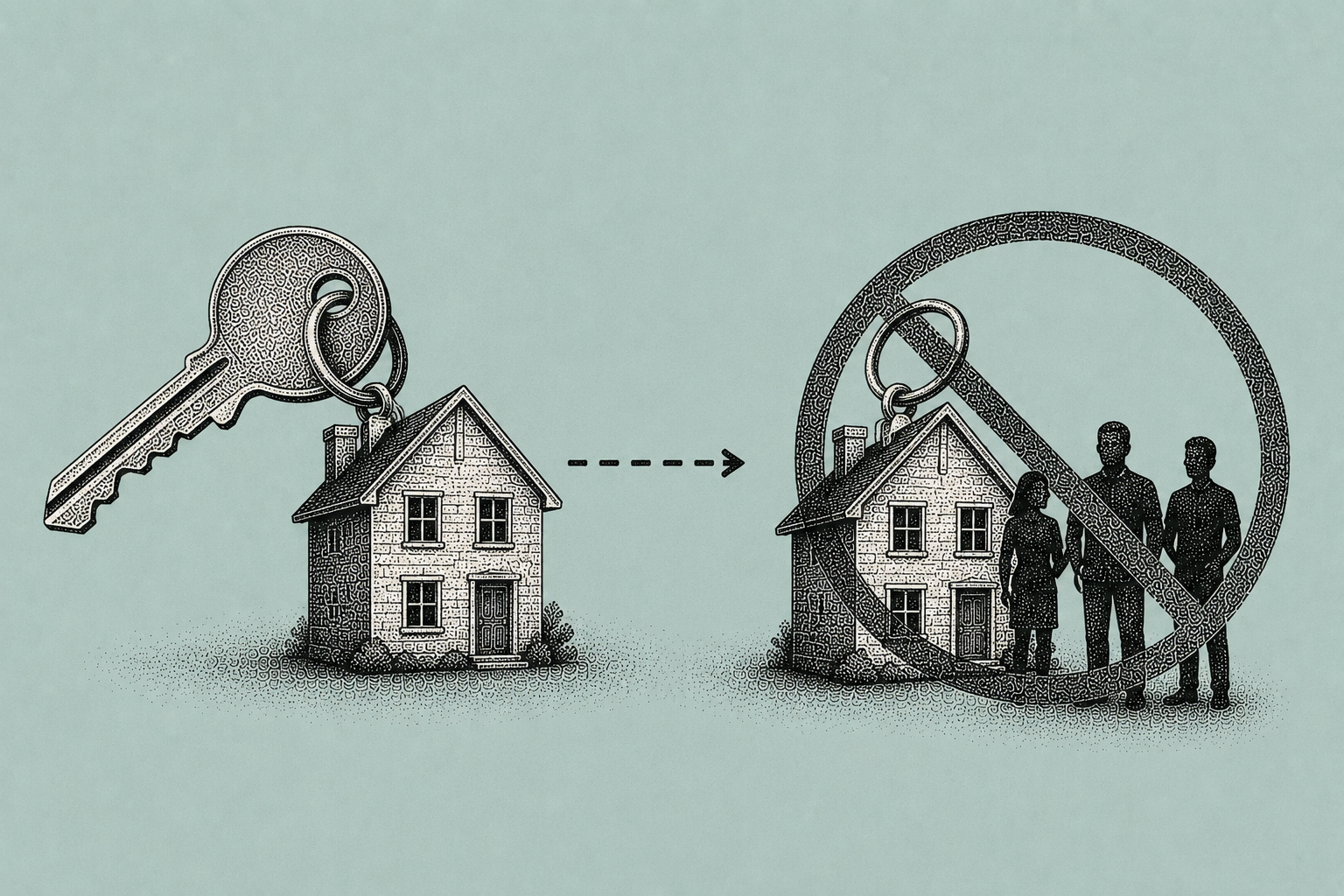
A sublet usually means your tenant (the "prime tenant") rents all or part of the unit to another person (the "subtenant"), while the prime tenant remains responsible under the original lease. A cousin "staying a while," a paid roommate found on social media, or a rotating set of weekend guests from a booking platform can all cross the line into unauthorized subletting if your lease requires consent and the tenant did not get it. Landlord education guides emphasize that long-term "guests" frequently become de facto occupants, increasing wear-and-tear and complicating enforcement if you wait too long to act.
Screening and safety. You did not background-check the new occupant, yet they may have full access to the property and common areas.
Insurance and claims risk. Insurance coverage can become disputed when the actual occupant profile differs from what the policy and underwriting assumed. Insurers warn landlords to understand sublet-related risk and coverage gaps.
Municipal and HOA fines. Short-term rentals in particular can violate city ordinances (for example, NYC restrictions on rentals under 30 days in many buildings and registration requirements) and lead to penalties, even if you never approved the activity.
Financial incentives for tenants. In high-demand markets, the spread between nightly rates and monthly rent can motivate tenants to monetize the unit. San Francisco's regulatory approach explicitly treats many Airbnb-type arrangements as violations that can support eviction under local rules.
Tenant subletting without permission is not just annoying. It can directly undermine enforceability of your lease, building rules, and risk controls.
A Practical, Legally Sound Response (7 Steps)
Step 1: Confirm Whether It Is Truly a Breach
Start by separating suspicion from a provable violation. There is a big difference between an authorized guest for a few nights and a paid subtenant with exclusive use.
How to confirm without overstepping:
Check occupancy patterns: Are there consistent new people entering with their own keys? Do they appear to live there (laundry, furniture deliveries, regular parking)? Landlord resources note that "long-term guests" often become the gateway to unauthorized occupancy, so timing matters.
Ask neutrally, in writing: "We have received reports of additional occupants. Please confirm all residents currently living in the unit and provide the dates." Keep it factual.
Use permissible observation: Common-area observation and neighbor statements can be useful, but avoid harassment. Community engagement, including talking with neighbors, is frequently cited as a practical detection strategy.
At this stage, your goal is to identify whether you are dealing with (1) an unauthorized subtenant, (2) an unauthorized long-term occupant, or (3) short-term rental activity, because the notice you serve may differ.
Step 2: Review Your Lease and the State/Local Rules
Before you send anything, read the lease clause on subletting, assignment, occupants, and guests. If your lease is silent, state law may supply default rules, sometimes tenant-friendly, sometimes landlord-friendly.
Illustrative state contrasts:
New York. In buildings with 4 or more units, tenants have a statutory framework to request permission to sublet under Real Property Law 226-b, including specific notice content and landlord response timelines. For rent-stabilized units, landlords often must serve a cure notice before termination.
California. The lease largely controls, but statewide just-cause rules (AB 1482) require an at-fault basis and compliant notice language after the tenancy reaches the protected period; unauthorized subletting can qualify as a material lease breach. California also applies the "reasonableness" standard when consent is required, following Kendall v. Ernest Pestana.
Texas. Texas Property Code 91.005 states that during the lease term, a tenant may not rent the leasehold to another person without the landlord's prior consent. Notice requirements often allow a straightforward notice to vacate and forcible detainer process, but accepting rent after knowledge can create waiver arguments.
Because laws vary by state and sometimes by city, confirm the governing statutes and local ordinances before acting, and consider a local landlord-tenant attorney for high-stakes or rent-controlled situations.
Step 3: Gather Evidence That Will Hold Up
If this becomes a notice-and-eviction path, documentation wins cases. Build a clean file that shows (a) the lease term, (b) how it was violated, and (c) your compliance with notice rules.
Evidence to collect (lawful methods only):
Online listing search: Search Airbnb/VRBO-style platforms for your address, cross-streets, unique interior features, and reverse-image matches.
Written neighbor statements: Ask for dated, specific observations ("three different groups in June," "lockbox installed," "noise at 2 a.m.").
Mail/package indicators: Photos of repeated deliveries addressed to new names can support "additional occupant" claims.
Utility anomalies: If utilities are landlord-paid, sudden spikes can corroborate extra occupants.
Your own communications: Save emails/texts and send follow-ups summarizing phone calls.
Do not "self-help investigate" by entering without proper notice or disabling access. Most states prohibit self-help eviction tactics and can penalize landlords for lockouts.
Step 4: Serve the Right Notice
Once you can articulate the breach, move to formal notice. The right notice type depends on your lease, the violation, and your state.
Common legal sequence:
Notice to Cure (or "Perform Covenant"). Gives the tenant a chance to stop the unauthorized sublet, remove unauthorized occupants, and provide proof. New York rent-stabilized cases typically require a cure notice (often 10 days) before termination for an illegal sublet. California commonly uses a 3-day notice to perform covenant or quit for curable lease breaches.
Notice to Quit / Notice of Termination. If not cured, you terminate the tenancy under the applicable statute and lease. In New York, a termination notice often follows the cure period for substantial lease violations. Texas commonly proceeds with a notice to vacate and then forcible detainer if they do not leave.
Eviction filing. If the tenant remains, file in the proper court (unlawful detainer/summary holdover/forcible detainer depending on state).
What to include in the notice: Lease clause cited verbatim. Specific facts (dates, names if known, listing evidence). What "cure" means (remove subtenant; stop STR activity; provide written occupant roster). Deadline and how to confirm compliance. Reservation of rights.
If you are in a just-cause jurisdiction like California under AB 1482, your notice may need additional statutory language and facts supporting "at-fault" cause. Consult local rules.
Step 5: Choose a Remedy That Protects You
Not every unauthorized sublet requires the same outcome. After notice, decide your preferred end state based on risk, local law, and tenant cooperation.
Option 1: Enforce and terminate. Best when: STR activity is ongoing; neighbors complain; you face fines; or the tenant lied repeatedly. San Francisco treats certain short-term rental violations as enforceable grounds tied to local rules and lease terms.
Option 2: Convert to an approved sublease (with screening). Best when: The prime tenant is otherwise good, the subtenant meets criteria, and your local law discourages unreasonable denials. In New York, tenants have a statutory mechanism to request a sublet, and "unreasonable" denials can create liability under RPL 226-b. In California, the "reasonableness" standard can also matter when consent is required. Practical approach: Require an application, ID verification, background screening authorization, and a written sublease agreement that (a) incorporates your house rules, and (b) clarifies that the prime tenant remains liable.
Option 3: Amend the lease (occupant added) plus adjust rent where lawful. Best when: It is really a long-term occupant/partner scenario. If allowed by local rent rules and your lease, you might charge an additional occupant fee or adjust rent at renewal. Be careful: rent control or rent stabilization can limit increases and impose strict rules on additional charges.
Step 6: If the Breach Is Not Cured, Move to Eviction Cleanly
If notices expire without compliance, the next step is formal eviction. The key is consistency: do not keep accepting the situation while trying to litigate it.
Process milestones (varies by state):
File the case after the notice period expires (unlawful detainer/summary holdover/forcible detainer). Texas lays out the forcible detainer path in Justice Court with statutory notice to vacate requirements.
Avoid waiver: In Texas, practitioner guidance warns that accepting rent after learning of the breach can support a waiver argument; landlords often refuse rent or accept it with a documented non-waiver posture.
Prepare your evidence packet: Lease, notices with proof of service, listing screenshots, neighbor statements, and your written communications log.
Plan for the subtenant issue: In some jurisdictions, occupants may claim rights or require naming/serving procedures. This is where local counsel can prevent procedural missteps.
Never change locks, shut off utilities, or remove belongings without a court order. Landlord education resources repeatedly caution that "self-help" can backfire legally and financially.
Step 7: Prevent Recurrence with Better Lease Controls
Once resolved, fix the system so the next unauthorized subletting attempt gets caught early or never starts.
Operational prevention measures:
Tighten lease clauses: no subletting/assignment without written consent; guest/occupancy limits; inspection/entry rights; remedies for breach; short-term rental prohibition. Schedule periodic, lawful inspections using your lease's entry provisions and any state notice rules. Monitor STR signals: occasional searches of major platforms, especially around local events, can spot problems early. Create a clear permission pathway: tenants are less likely to hide roommates if your process is transparent ("Ask first, here is how, here is what we screen").
Surveys and landlord associations note widespread misunderstanding of eviction and rental rules among both renters and landlords, making clarity in writing essential. Good documentation and a modern lease workflow reduce "he said/she said" disputes when enforcement matters.
Unauthorized Subletting Response Checklist
Confirm the suspected breach type: roommate sublet, full-unit sublet, or short-term rental activity.
Pull the lease sections: subletting/assignment consent, guest limits, occupancy limits, entry/inspection, remedies/default, attorney fees (if applicable).
Check state/local rules: NY: RPL 226-b framework; cure/termination requirements for regulated units. CA: AB 1482 just-cause plus notice content; 3-day perform-or-quit practice. TX: Prop. Code 91.005 consent rule; notice to vacate and forcible detainer procedure.
Document evidence legally: screenshots/URLs, dated photos, neighbor statements, vendor notes, mail/package logs, utility records (if relevant).
Send a written inquiry to tenant requesting occupant confirmation and explaining the lease rule.
Serve the correct notice: Notice to cure / perform covenant (when required). Notice to quit/terminate if uncured.
Decide remedy path: terminate, formal approval with screening, or lease amendment.
If uncured, file eviction and stop actions that could create waiver.
After resolution: update lease language, implement routine checks, and formalize the permission process.
Frequently Asked Questions
Can I charge a fee to allow subletting?
Sometimes. Many landlords charge an administrative fee for screening and processing. In rent-regulated markets, extra charges may be restricted. In New York, the statutory sublet request process under RPL 226-b shapes what you can demand and how you must respond.
Does insurance cover unauthorized guests or subtenants?
Coverage depends on the policy and facts. Insurers advise landlords to understand sublet-related risk and to review how occupancy changes affect coverage. When in doubt, ask your broker in writing.
What if local law favors tenant subletting rights?
Then your job is to enforce the process, not just say "no." New York's RPL 226-b provides a structured permission framework and can penalize unreasonable denials. California may require consent decisions to be reasonable when the lease requires consent, per Kendall v. Ernest Pestana.
Can I evict immediately for unauthorized subletting?
It depends. Some states require a chance to cure; others allow faster termination. California commonly treats it as a curable breach with a 3-day perform-or-quit notice. New York regulated tenancies often require a cure notice before termination (with exceptions). Texas may allow quicker notice to vacate, but procedure still matters.
What to Do Next
Unauthorized subletting thrives in ambiguity: vague clauses, inconsistent screening, and scattered documentation. The most effective fix is a lease workflow that makes terms clear, permissions trackable, and enforcement easy to prove.
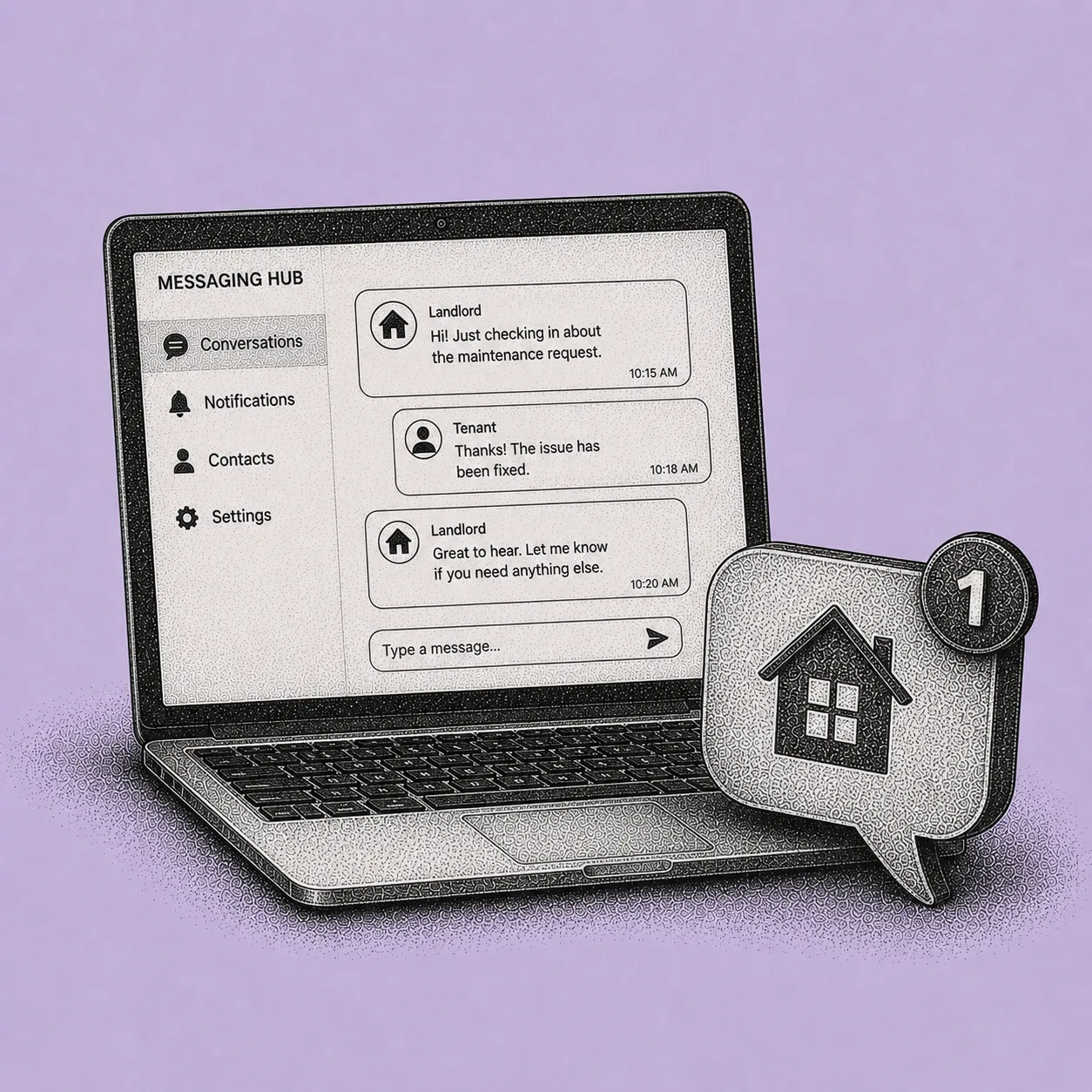
Shuk's document storage keeps leases, addenda, notices, and evidence packets organized in one place per unit, so if a subletting dispute escalates, you can produce your lease clause, your written inquiry, your cure notice, and your proof of service quickly. Centralized in-app messaging with email and push notifications creates a time-stamped record of every tenant communication about occupancy questions, so "I never got that" disputes are resolved by your records. E-signature through our Adobe-powered integration handles sublease addenda and lease amendments cleanly. And if you choose the approval path, tenant screening through our partner (RentPrep/TransUnion) for credit, criminal, and eviction reports lets you screen the proposed subtenant through the same FCRA-regulated process you use for any applicant.
At as low as $2 per unit per month with no setup fees, and with White Glove Onboarding included at no additional cost, Shuk makes documented, defensible property management feasible for landlords and property managers running 1 to 100 units.