
Can You Trust the Data You Are Using to Decide?
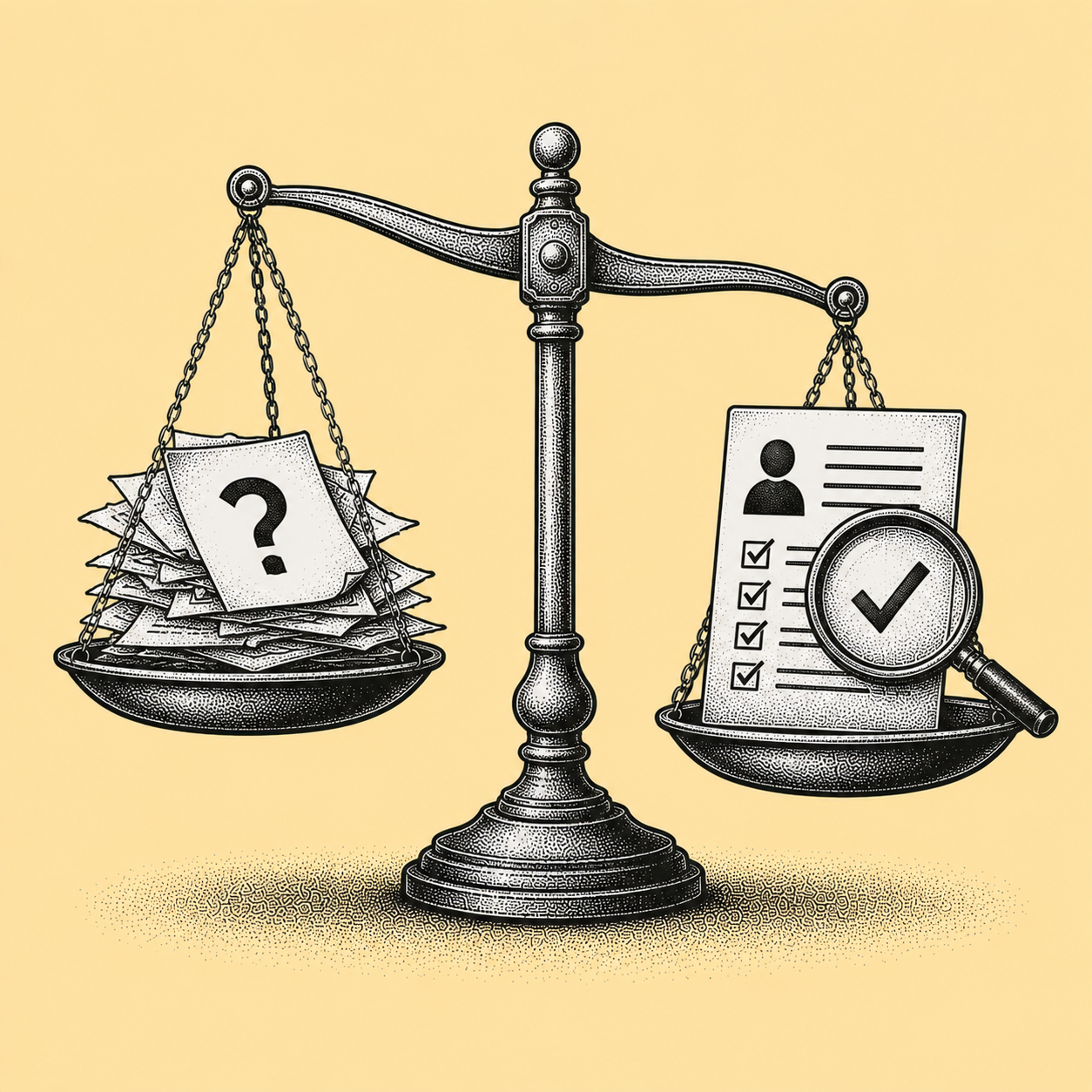
You already know tenant screening matters, but here is the harder question: is the data you are relying on actually correct? Tenant screening accuracy is not just a compliance talking point. It is an operational risk that can push you into two expensive mistakes: denying a qualified applicant and losing weeks of rent, or approving a risky applicant because a key record did not surface.
Here is what regulators have found: screening report errors are not rare edge cases. The Consumer Financial Protection Bureau (CFPB) reviewed tenant screening practices and analyzed 26,700 consumer complaints (January 2019 through September 2022), including 17,200 complaints specifically about incorrect information. Complaint volume also climbed, from about 300 per month in early 2019 to nearly 700 by September 2022, a signal that screening report reliability is a real problem, not just noise. The Federal Trade Commission (FTC) has similarly emphasized that tenants have rights to access reports and dispute mistakes under the Fair Credit Reporting Act (FCRA).
Your goal is not to become a data auditor. It is to use screening confidently, spot the most common error patterns, and have a repeatable process to verify tenant information before you take adverse action. This guide walks you through step-by-step workflows, a checklist, and practical ways to reduce uncertainty when decisions matter most.
Note: This article provides general education about screening accuracy and verification, not legal advice. FCRA, Fair Housing, and state-specific screening rules are detailed and change. Before setting screening criteria or handling adverse action, confirm your obligations with a qualified attorney.
What Drives Screening Report Accuracy and Where Errors Happen
Tenant screening reports pull from multiple sources: credit bureau files, public records (like eviction filings), and criminal record databases. Each source has different strengths and known failure points. The CFPB has warned that some tenant background checks may include incomplete and inaccurate data and can be difficult for consumers to correct quickly, an issue that can affect your leasing timeline and your legal compliance if you deny someone based on wrong information.
It helps to separate two ideas: data accuracy (is the record correct?) and matching accuracy (is it actually your applicant?). Many of the most damaging background check errors stem from misidentification, when a record belongs to someone with a similar name or a reused identifier. Mixed files are a known problem in consumer reporting, where data from two people can get merged, especially when matching is done with thin identifiers.
Accuracy is also inseparable from the dispute process. Under the FCRA, consumer reporting agencies must follow reasonable procedures to assure maximum possible accuracy, and consumers have a right to dispute and seek correction. In practical terms, that means you need a workflow for pre-adverse action review, compliant adverse action notices when applicable, and a fair chance for the applicant to dispute errors.
Step-by-Step: How to Verify Tenant Information and Reduce Background Check Errors
1) Collect the Right Identifiers Upfront
Most report problems do not begin with the report. They begin with incomplete applicant data. To verify tenant information later, you need enough identifiers to match records correctly. At minimum, collect: full legal name (including suffixes), date of birth, current and prior addresses, and permission for screening. Misidentification is a primary driver of false hits, and mixed files can occur when identifiers are weak or inconsistent.
Example: false criminal record hit. You run a criminal search and see a felony record. The applicant insists it is not them. On review, the record matches the same first and last name in the same county, but the date of birth is different by seven years. The report's matching logic likely relied too heavily on name and location. You pause, compare DOB, and request the applicant's middle name and prior address history. The conviction belongs to another person with a similar name. You avoid an improper denial.
Add a required middle name and DOB field to your application. If a record match is name-only (or name plus city), treat it as "needs verification," not "decision-ready."
2) Understand What Each Report Component Can and Cannot Reliably Tell You
Tenant screening accuracy varies by data type.
Credit data is generally structured and frequently updated, but not immune to errors. The FTC's credit report study found 26% of consumers identified errors, and 5% had errors that could result in less favorable terms. Credit is often the most standardized data in screening, yet still imperfect.
Eviction data is often messy, especially when screenings rely on filings rather than outcomes. The CFPB has flagged risks with how eviction records can be incomplete, outdated, or ambiguous.
Criminal data can be inconsistent across jurisdictions and repositories. Sealing and expungement changes can lag in downstream databases.
Decide which report elements are hard stops versus review items, and document it. Read eviction and criminal sections like a lead that needs confirmation, not like a final verdict.
3) Use Multi-Source Screening to Improve Reliability
Accuracy improves when a platform uses reputable, audited data sources and consistent matching standards. Industry screening increasingly relies on automation, but regulators have cautioned that automation without transparency can magnify errors. In practice, you want both: automation for speed and standardization, plus clear underlying sourcing. For the legal side of automated scores, see our guide to AI tenant screening, fair housing risks and disclosure rules.
When choosing a screening provider, look for bureau-grade data infrastructure designed to meet FCRA obligations, multi-identifier matching (not name-only), transparent data sourcing, and a clear dispute pathway for applicants. These characteristics reduce data fragmentation and improve match quality.
Avoid patchwork screenshots or PDFs from applicants as screening. Portability can be useful, but you still need verifiable sourcing and consistent criteria.
4) Run a Three-Way Cross-Check Before You Deny Anyone
Most costly background check errors show up as inconsistencies. Before adverse action, cross-check three things:
- Application claims (employment, prior addresses, prior landlords)
- Report signals (addresses, tradelines, public record locations)
- Supporting documents (pay stubs, offer letter, bank statements, ID)
If the report shows an eviction in a state your applicant never lived in, do not assume fraud. Assume mismatch until proven otherwise.
Example: mismatched eviction record. An applicant's screening shows an eviction filing in Springfield. Your applicant has lived only in two states, neither with that county. You compare the report's address history to the application and find no match. You ask for clarification and discover the report pulled a record for a different person with the same name who lived in a different Springfield. You request the screening company's details (case number, court) and the applicant disputes it. You keep your process fair, avoid an improper denial, and keep documentation to support your decision-making.
The CFPB has specifically pointed out that eviction data can be outdated or ambiguous and can fail to reflect case outcomes. Your cross-check prevents you from treating a questionable record as definitive.
If eviction or criminal data does not match address history, pause and verify. Require court identifiers (county, docket or case number) before treating a public record as actionable.
5) Verify Income Like a Fraud Analyst
Income verification errors are common because landlords often rely on quick math or incomplete documents.
Example: income verification error caught early. An applicant uploads pay stubs showing $6,200 per month gross. Your quick ratio test passes. But your verification routine catches that the year-to-date total does not reconcile with the pay period count. The stubs were edited. You request a recent bank deposit view showing payroll deposits or an employer verification letter. The applicant later submits accurate documents: actual income is $4,400 per month, below your threshold. You avoid a future nonpayment scenario without accusing anyone or relying on gut feeling.
Create a standard income reconciliation check: pay frequency multiplied by gross per pay period should align with year-to-date. When documents conflict, request one additional independent proof (bank deposits or employer letter) and document the reason.
6) Know the Dispute Process and Build Time for It
Under the FCRA framework, consumers can dispute inaccurate information, and consumer reporting agencies must investigate and correct or verify the information, commonly within 30 days of receiving a dispute. The FTC provides consumer-facing instructions on disputing tenant background check errors and emphasizes the right to challenge inaccuracies. From a landlord operations standpoint, disputes can affect vacancy days, so you need a policy that balances fairness with business constraints.
A practical approach is to treat borderline applications as pending while the applicant disputes. If you deny immediately and the report is later corrected, you may have created unnecessary risk.
Add a written dispute-window policy (for example, you will hold the application for a defined number of hours or days if a dispute is initiated promptly). Keep templates ready: pre-adverse action communication where permitted and adverse action notices.
7) Send Compliant Adverse Action Notices Every Time
If you take adverse action (deny, require a higher deposit, require a co-signer, etc.) based on a consumer report, you must provide an adverse action notice with specific elements: reason, consumer reporting agency info, and consumer rights. FTC and CFPB attention on tenant screening practices has increased, and complaint trends show this is an active enforcement and consumer-protection area. Your best protection is a consistent, documented workflow.
Treat adverse action as a checklist, not an email you type fresh each time. Store the report, decision notes, and notice confirmation in the same file.
8) Audit Your Own Decisions Quarterly
Even if your screening provider is strong, your process may be introducing error. Once per quarter, review denials later reversed due to disputes, approvals that became early nonpayment or eviction, and recurring mismatch patterns (common names, same counties, same employers).
Create a mistake log (one page) and update it after each dispute or surprise outcome. Tighten one policy per quarter (income proof, ID rules, eviction verification) instead of changing everything at once.
Checklist: Tenant Screening Accuracy Verification
Identity and Match Quality
- Confirm full legal name, DOB, and current address match the report's identifiers
- Flag any criminal or eviction record that is name-only or lacks DOB or unique identifiers for follow-up
Address History Sanity Check
- Compare application addresses vs. report address history (look for states or counties that do not align)
- If a public record appears outside the applicant's known footprint, request court details (county plus case number)
Eviction Record Validation
- Determine whether the record is a filing or a judgment/outcome
- Ask for documentation if the record appears ambiguous or outdated
Income Verification (Two-Step Rule)
- Step 1: Review pay stubs for pay period consistency and year-to-date reconciliation
- Step 2: If anything conflicts, request one independent proof (bank deposits or employer letter)
Decision Documentation
- Record which criteria triggered approve, conditional, or deny
- Save report version, date, and your notes in the same folder
If Adverse Action Is Taken
- Send an adverse action notice with required elements (CRA contact info plus rights)
- Provide the applicant a path to dispute errors
Key takeaway: If you only add one step, add the address-history cross-check. It catches a surprising share of mismatches.
Frequently Asked Questions
How do applicants dispute an error in a tenant screening report?
Applicants generally dispute errors directly with the consumer reporting agency (the screening company) that produced the report. The FTC's guidance emphasizes that tenants have the right to challenge inaccuracies in tenant background check reports and explains the dispute path and documentation approach. As a landlord, your role is to provide the applicant the screening company's contact details (typically included in your adverse action notice), pause final decisions when a record looks mismatched or ambiguous, and keep your decision criteria consistent.
How long do corrections take once a dispute is filed?
Many FCRA reinvestigations are commonly expected to be completed within 30 days after a dispute is received. In real leasing situations, the bigger challenge is operational: your vacancy clock may be running while the dispute is pending. That is why your policy matters. If the report issue is central to the decision and appears possibly mismatched, it can be reasonable to hold the application briefly while the dispute is initiated, provided you apply the same policy consistently.
Are landlords liable if they deny someone based on screening mistakes?
If you take adverse action based on a consumer report, you have clear obligations, most importantly providing a compliant adverse action notice with required elements and consumer rights disclosures. The FCRA primarily regulates consumer reporting agencies, but landlords can still face risk if they fail to follow required notice steps or if they apply screening criteria inconsistently. Regulators have increased attention on tenant screening errors and transparency, which raises the stakes for process discipline.
What to Do Next
If you want to improve tenant screening accuracy immediately, choose one change you can implement today: adopt the checklist above, add a dispute and hold policy, or standardize income verification. Then upgrade the toolchain that supports your process.
Shuk provides tenant screening through our partner (RentPrep/TransUnion), delivering credit, criminal, and eviction reports as part of an integrated property management workflow. Centralized in-app messaging keeps a time-stamped applicant communication record alongside every screening. Document storage organizes applications, authorizations, reports, and decision documentation in one place. And e-signature for leases through our Adobe-powered integration means the transition from approved applicant to signed tenant happens in one connected system.
At as low as $2 per unit per month, billed annually, with no setup fees, and with White Glove Onboarding included at no additional cost, Shuk makes structured, documented screening feasible for landlords and property managers up to 200 units.
Book a demo at shukrentals.com/book-a-demo to see how Shuk's screening, messaging, document storage, and e-signature work together so every applicant decision sits on reliable data and a documented audit trail.